


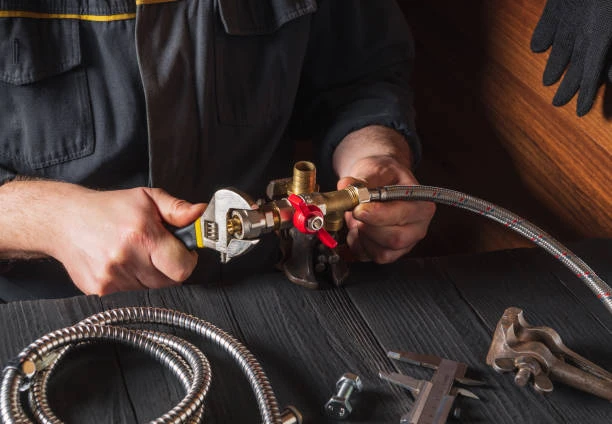
Tabung fleksibel plays a crucial role in various industries, including plumbing, medical, automotive, and manufacturing, due to its versatile nature and high performance. One of the key concerns when using flexible tubing is ensuring safety during installation, use, and maintenance. In this article, we will explore how flexible tubing contributes to safety, covering material properties, durability, pressure resistance, chemical compatibility, and proper installation techniques to ensure a secure and safe operation.
Material Properties and Safety
The materials used in flexible tubing are critical for safety. High-quality materials like stainless steel, rubber, and plastics provide flexibility, strength, and resistance. These materials undergo rigorous testing to withstand pressure, temperature changes, and exposure to chemicals.
For example, manufacturers use thermoplastic elastomers (TPE) and polyvinyl chloride (PVC) for their resistance to wear and corrosion. These materials handle various environmental conditions, making them ideal for plumbing, food processing, and medical uses. By selecting the right material, manufacturers ensure safe use in diverse conditions.
Daya Tahan dan Umur Panjang
Durability is a key factor in the safety of flexible tubing. Tubes that are not durable may rupture or degrade over time, leading to leaks or catastrophic failures. Flexible tubing made from high-strength materials can endure pressure changes, temperature extremes, and mechanical stresses without cracking or failing.
For example, in medical applications, flexible tubing is often exposed to constant bending, flexing, and movement. Tubing made from high-quality materials like silicone rubber or reinforced thermoplastic is designed to withstand these repetitive stresses while maintaining its integrity. This durability reduces the risk of accidental leaks or ruptures, which can be hazardous in environments such as healthcare facilities.
In plumbing systems, flexible tubing is often used to connect appliances like dishwashers, water heaters, and refrigerators to the water supply. The durability of the tubing ensures that these systems remain leak-free and secure over time, contributing to overall safety by preventing water damage or mold growth.
Tahan Tekanan
Flexible tubing’s ability to withstand varying levels of pressure is one of the most crucial safety features. Tubes used in water systems, gas lines, and hydraulic applications must be capable of handling the pressure within those systems without expanding, bursting, or leaking.
For instance, reinforced flexible tubing used in hydraulic systems can withstand high-pressure environments, maintaining its integrity under extreme conditions. The use of braided stainless steel or other reinforced materials in these tubes allows them to safely carry fluids and gases under high pressure, reducing the risk of dangerous leaks or bursts.
In industries where tubing carries chemicals or flammable liquids, pressure resistance is especially important. Flexible tubes designed for chemical transfer often include additional layers of reinforcement to ensure they can safely carry substances without the risk of rupture, which could result in leaks or hazardous spills.
Kompatibilitas Kimia
Chemical compatibility is another crucial aspect of flexible tubing safety. Tubing materials must be resistant to degradation when exposed to specific chemicals, oils, solvents, or other substances that may be transported through them.
For example, flexible tubing used in food processing or pharmaceutical industries needs to be resistant to cleaning chemicals, as well as to the materials being transported. Tubes made from food-grade materials like silicone, which can resist chemical degradation and maintain cleanliness, ensure that there is no contamination of the product or hazardous interaction with the tubing material itself.
In industrial settings, manufacturers use flexible tubing to transport a wide range of chemicals. They must select the correct material for each application to prevent chemical breakdown, corrosion, or degradation of the tube. A mismatch between the material and chemical can lead to dangerous leaks or toxic exposures, so manufacturers and users must ensure compatibility by choosing tubing specifically designed for the chemical being transported.
Tahan Suhu
Flexible tubing’s ability to perform across a wide temperature range is crucial for safety. Tubing that becomes brittle in cold or soft in heat poses risks.
In the automotive industry, flexible hoses must withstand extreme temperatures to transport fuel, oil, and air. Tubing is made from materials that retain shape and strength in varying conditions, preventing cracking in cold or bursting in heat.
In industrial applications, tubing is exposed to high temperatures in steam lines and heat exchangers. Heat-resistant materials like silicone or fluoropolymer maintain strength and flexibility, preventing accidents from tube deformation.
Proper Installation and Handling
Even the most durable and chemically compatible flexible tubing can be compromised if it is not properly installed or maintained. Installation plays a critical role in ensuring safety, and it’s essential to follow the manufacturer’s guidelines for the specific tubing type.
Proper handling and correct alignment of flexible tubing can prevent damage during installation. For instance, when connecting flexible tubing to a system, it’s important to use appropriate fittings and connectors to ensure that the tube is securely attached. Over-tightening or under-tightening fittings can cause leaks, which may result in hazardous situations.
It is also important to avoid sharp bends, excessive stretching, or exposure to abrasive surfaces during installation. These practices can weaken the tubing, leading to cracks, leaks, or ruptures over time. Using protective coverings, such as sleeves or casings, can help reduce wear and tear, extending the lifespan of the tubing and maintaining its safety.
Monitoring and Maintenance
Monitoring flexible tubing systems for signs of wear, corrosion, or damage is essential to ensuring long-term safety. Regular inspections can identify early signs of issues that may compromise the integrity of the system. For example, looking for cracks, discoloration, or bulging can indicate potential weaknesses in the tubing.
In critical applications like medical devices, where flexible tubing carries fluids directly into the human body, rigorous monitoring ensures that the tubing remains intact and functional. This includes checking for leaks or any obstructions that could lead to complications or equipment malfunctions.
Similarly, in plumbing and industrial applications, routine checks on flexible tubing can prevent unexpected failures. In many cases, replacing a section of tubing that shows signs of wear before it fails completely can avoid costly repairs or hazardous situations.
Compliance with Standards and Regulations
Flexible tubing must comply with industry-specific safety standards and regulations. These standards help ensure that tubing meets specific safety, performance, and quality requirements before it is put into use.
For example, medical-grade flexible tubing must adhere to strict standards for biocompatibility, sterilization, and contamination prevention. Regulatory bodies such as the FDA set guidelines for the materials used in medical tubing to ensure patient safety. Similarly, in plumbing, tubing must meet local building codes to ensure the safe delivery of water and prevent contamination.
Compliance with these regulations ensures that flexible tubing will perform as expected, safeguarding both the users and the environment.
Kesimpulan
Flexible tubing offers a wide range of safety benefits across multiple industries. Its durability, pressure resistance, chemical compatibility, and ability to withstand varying temperatures make it an essential component in many systems. However, ensuring the safety of flexible tubing requires careful material selection, proper installation, routine inspections, and adherence to relevant standards.
By considering all these factors, industries can ensure the safe and reliable use of flexible tubing, preventing accidents, system failures, and hazardous leaks. Proper training and knowledge of tubing materials and application guidelines will ensure that flexible tubing systems remain safe and effective for their intended purposes.
Standar internasional IFAN
Standar IFAN mencakup berbagai sertifikasi dan spesifikasi internasional seperti ASTM 2846, DIN 8079/8080, ASTM F441/F441M SCH80, DIN, seri GB/T 18993, AS/NZS 1477, CSA B137.6, NSF/ANSI 14, dan TIS 17-2532/1131-2535, dan lain-lain. Standar-standar ini memastikan kualitas, keamanan, dan keandalan produk, yang sejalan dengan persyaratan manufaktur dan kinerja global. Dengan mematuhi standar-standar ini, IFAN menjamin bahwa produk-produknya memenuhi tolok ukur industri yang ketat, yang memastikan kepuasan pelanggan dan kepatuhan terhadap pedoman peraturan di berbagai wilayah.
Kontak
IFAN adalah produsen profesional dengan pengalaman 30 tahun, yang berdedikasi untuk memproduksi pipa, fitting, dan katup plastik berkualitas tinggi. Produk kami meliputi katup kuningan, katup PPR, serta berbagai pipa dan fitting untuk memenuhi berbagai kebutuhan pelanggan. Baik Anda memerlukan pipa ledeng dan drainase atau produk katup, IFAN dapat menyediakan berbagai macam produk berkualitas tinggi dan hemat biaya untuk mendukung proyek Anda. Berikut adalah informasi kontak kami.
Kami akan membalas email atau faks Anda dalam waktu 24 jam.
Anda dapat menghubungi kami kapan saja jika ada pertanyaan tentang produksi kami.
Untuk informasi lebih lanjut, silakan kunjungi situs web kami https://www.ifanplus.com/
Silakan Kirim Email ke: [email protected]
Telepon Whatsapp: + 86 19857948982























