


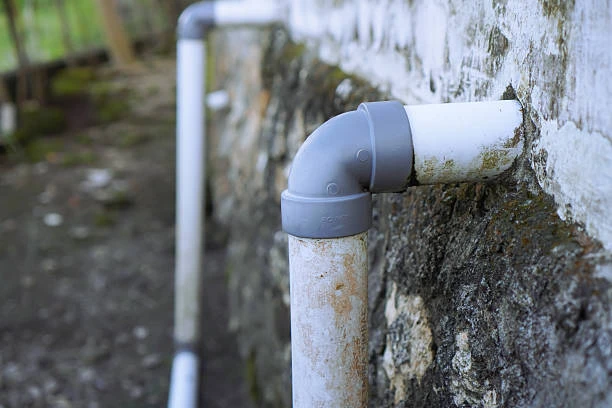
Access to clean and safe drinking water remains a global priority. Whether in urban households, rural villages, or emergency relief operations, the quality of the pipeline directly affects water safety. Among many piping options, PVC pipelines have become a trusted choice. They combine chemical stability, durability, and cost-efficiency, making them ideal for transporting potable water.
This article explores why PVC pipelines are a safe and smart solution for clean water distribution in both residential and industrial settings.
FAQ – Frequently Asked Questions
Q1: Are pvc pipeline safe for drinking water?
Yes. PVC pipes manufactured for potable water use meet strict international safety standards. They do not leach harmful substances into water.
Q2: Do pvc pipeline affect water taste or odor?
No. Quality PVC pipes are inert and do not alter the taste or smell of water.
Q3: Can pipa pvc handle chlorinated water?
Yes. PVC is resistant to chlorine, which makes it suitable for treated municipal water systems.
Q4: What is the lifespan of pvc pipeline for water supply?
PVC pipes can last over if properly installed and maintained.
Section One: Why Water Safety Depends on Pipeline Quality
Clean water begins with a clean delivery system. The pipeline must not only transport water but also protect it from contamination. Here’s how:
- Low-leach material: PVC does not release toxic chemicals into the water.
- Sealed joints: Proper sealing prevents pollutants from entering.
- Non-corrosive surface: PVC remains stable even with chemical-treated water.
- Algae resistance: Opaque pipes prevent light penetration and microbial growth.
In contrast, metal pipes may rust, while older plastic options may degrade over time.
Section Two: What Makes PVC Safe for Potable Water?
PVC (polyvinyl chloride) is a synthetic polymer engineered for safety and performance. When manufactured under international standards, it provides a clean and stable conduit for drinking water.
Key reasons why PVC is considered safe:
- NSF/ANSI 61 Certification: Confirms the pipe is safe for potable water contact.
- Smooth inner surface: Reduces biofilm growth and bacterial accumulation.
- No heavy metals: Modern PVC does not contain lead or cadmium.
- High pH resistance: Maintains chemical neutrality in different water conditions.
Section Three: Safe Water Applications of PVC Pipeline
PVC pipelines support many clean water initiatives. These are the most common uses:
Pipa Ledeng Perumahan
Homeowners trust PVC for underground and wall-embedded cold-water supply. Because it resists chemical interaction, water stays clean from source to tap.
Rural Water Supply
In developing regions, PVC allows cost-effective and sanitary water delivery across long distances. Its lightweight form eases transportation and installation.
Emergency Relief
NGOs and governments use PVC to restore water access after disasters. The fast setup and low cost make it ideal for rapid response.
Fasilitas Pengolahan Air
Treated water must travel through clean pipelines. PVC ensures no contamination occurs between filtration and final delivery.
Section Four: Health Standards and Certifications
To ensure health and safety, reliable PVC products follow global standards:
| Standard Name | Region or Use | Tujuan |
|---|---|---|
| NSF/ANSI 61 | USA/International | Drinking water safety certification |
| ID ISO 1452 | Europe/Global | Water supply PVC pipe standards |
| ASTM D1785 | Amerika Utara | Schedule 40/80 pipe classification |
| AS/NZS 1477 | Australia/New Zealand | Pressure pipe systems |
| Bahasa Indonesia: GB/T 10002 | Cina | Potable water and drainage standard |
Before using any pipe for drinking water, always verify it meets these certifications.
Section Five: Comparing PVC with CPVC, PPR, and PEX for Drinking Water
Not all plastic pipes perform the same. Here’s how PVC compares with other common materials in water delivery:
| Property | Bahan PVC | CPVC | PPR | PEX |
|---|---|---|---|---|
| Suhu Maksimum | Hingga 60°C | Up to 90°C | Hingga 95°C | Hingga 95°C |
| Drinking Water Approved | Ya | Ya | Ya | Ya |
| Fleksibilitas | Rigid | Rigid | Semi-rigid | Flexible |
| Ketahanan Kimia | Bagus sekali | Bagus sekali | Very good | Sedang |
| Biaya | Rendah | Sedang | Sedang | Tinggi |
| Penggunaan Terbaik | Cold water, long runs | Hot and cold water | Hot water systems | Curved routes, heating |
PVC excels in low-cost cold water applications. For hot water or high flexibility needs, other materials may be better.
Section Six: Installation Practices for Water Safety
Even safe materials need proper installation. These tips help ensure clean water flow:
- Use food-grade solvent cement: This prevents contamination at pipe joints.
- Flush the system before use: Remove any dust or debris from installation.
- Install away from heat sources: Avoid warping or chemical leaching.
- Seal joints tightly: Loose joints can allow external bacteria or debris to enter.
Consistent installation methods result in cleaner, safer water systems.
Section Seven: IFAN Piping Systems – Trusted Partner for Clean Water
Choosing the right manufacturer ensures long-term water safety. IFAN stands out with its commitment to quality and service.
IFAN Piping Systems
With over of expertise, IFAN offers a complete range of PVC pipe solutions. We provide OEM and ODM support and have served clients in more than 80 countries. Whether your project requires residential plumbing or municipal-scale installations, IFAN delivers reliability and quality.
If you need samples, catalogs, or more product information, feel free to contact us at [email protected] or via Whatsapp:+8619857948982. Our team will respond promptly and provide the support you need for your project.
Standar internasional IFAN
Produk pipa PVC IFAN diproduksi sesuai dengan berbagai standar internasional untuk memastikan kualitas, kompatibilitas, dan kinerja. Standar-standar ini meliputi BS 3505, BS 4346, ASTM D1785 SCH40 dan SCH80, DIN 8061/8062, GB/T 10002 Series, DWV, ASTM D2665, ASTM D2241, ASTM D2729, ASTM F441/F441M, ISO 1452 Series, EN ISO 1452, AS/NZS 1477, JIS K6741, CSA B137.3, NSF/ANSI 14, dan TIS 17-2532/1131-2535. Sertifikasi ini mencerminkan komitmen IFAN untuk menyediakan sistem perpipaan berkualitas tinggi yang cocok untuk pasar global dan berbagai aplikasi, termasuk pasokan air, drainase, dan sistem industri.























