


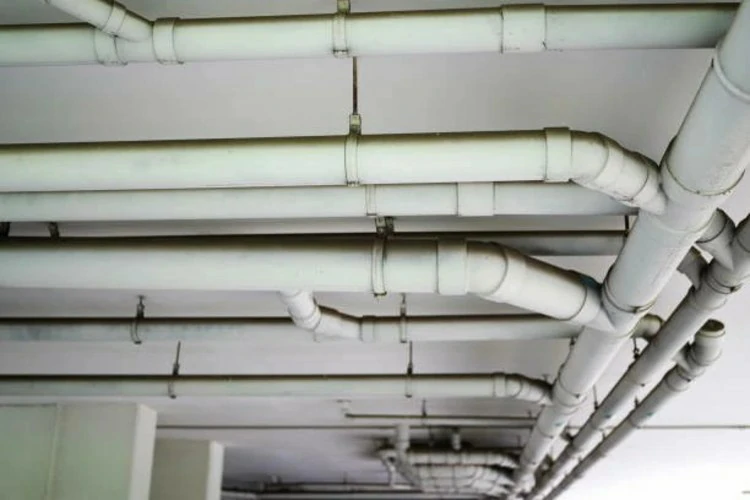
Perkenalan:
Installing PVC plumbing systems requires careful planning, precise execution, and adherence to safety protocols. In this article, we will explore the methods and precautions involved in PVC plumbing installation to ensure successful and reliable plumbing systems for various applications.
PVC Plumbing Installation Methods
a. Solvent Cement Joint Method: Ensuring Secure Bonding
The solvent cement joint method represents the most common technique for joining PVC pipes and fittings. This method entails applying solvent cement to the pipe and fitting surfaces, followed by assembly and curing.
b. Threaded Joint Method: Providing Versatility and Flexibility
For certain applications, such as connections to metal pipes or fixtures, threaded joints may be used. This method involves threading the PVC pipes or fittings using a threader tool and then connecting them using threaded adapters or couplings.
c. Mechanical Joint Method: Offering Reliability and Strength
Mechanical joints, such as compression fittings or push-fit connectors, provide an alternative to solvent cement joints. These fittings create a tight seal by compressing a rubber or EPDM gasket around the pipe, ensuring leak-proof connections without the need for adhesive.
d. Heat Fusion Joint Method: Ideal for High-Temperature Applications
In specialized applications where high temperatures or pressure conditions are present, heat fusion joints may be used. This method involves heating the ends of the PVC pipes and fusing them together using heat fusion equipment, resulting in seamless and durable connections.
Precautions for PVC Plumbing Installation
a. Proper Pipe Handling: Preventing Damage and Contamination
During transportation and handling, ensure that PVC pipes are shielded from impact, bending, or exposure to sunlight and extreme temperatures. Additionally, store the pipes in a clean, dry area to prevent contamination or damage to their surfaces.
b. Adequate Support and Alignment: Ensuring Stability and Functionality
To prevent sagging, bending, or misalignment, which can stress the joints and potentially cause leaks, it’s essential to properly support and align PVC pipes. Install support hangers or straps at regular intervals to maintain proper alignment and elevation.
c. Thorough Cleaning and Preparation: Promoting Strong Bonds
Before assembling PVC pipes and fittings, surfaces should be cleaned thoroughly to remove any dirt, grease, or debris that may interfere with the bonding process. Proper preparation ensures maximum adhesion and strength of the joints.
d. Adherence to Safety Guidelines: Protecting Personnel and Property
During PVC plumbing installation, it is essential to follow safety guidelines and regulations to prevent accidents or injuries. This includes wearing appropriate personal protective equipment, such as gloves and eye protection, and ensuring proper ventilation in confined spaces.
Kesimpulan:
Installing PVC plumbing systems requires attention to detail, proper technique, and adherence to safety protocols. By understanding the various installation methods and precautions involved, plumbing professionals and DIY enthusiasts can ensure the successful implementation of PVC plumbing systems for various residential, commercial, and industrial applications.
Kontak
JIKA adalah produsen profesional dengan pengalaman 30 tahun, yang didedikasikan untuk memproduksi pipa, fitting, dan katup plastik berkualitas tinggi. Produk kami meliputi katup kuningan, katup PPR, serta berbagai pipa dan fitting untuk memenuhi berbagai kebutuhan pelanggan. Baik Anda membutuhkan pipa ledeng dan drainase atau produk katup, JIKA dapat menyediakan berbagai macam produk berkualitas tinggi dan hemat biaya untuk mendukung proyek Anda. Berikut adalah informasi kontak kami.
Kami akan membalas email atau faks Anda dalam waktu 24 jam.
Anda dapat menghubungi kami kapan saja jika ada pertanyaan tentang produksi kami.
Untuk informasi lebih lanjut, silakan kunjungi situs web kami https://www.ifanplus.com/
Silakan Kirim Email ke: [email protected]























