


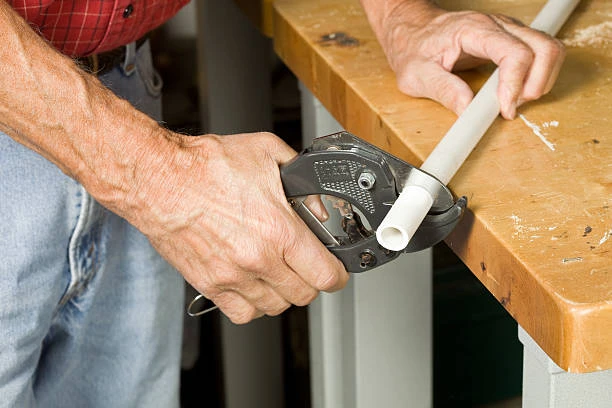
Efficiency is a key attribute when selecting a pemotong pipa, whether for professional plumbing, DIY projects, or industrial applications. An efficient pipe cutter not only speeds up the cutting process but also reduces physical strain, ensures consistent results, and helps save time and resources. This article explores the factors that influence the efficiency of a pipe cutter, including design, material compatibility, cutting mechanism, user technique, and maintenance. Additionally, it will discuss how to optimize efficiency in pipe cutting tasks to improve workflow and productivity.
Key Factors Affecting Pipe Cutter Efficiency
The efficiency of a pipe cutter is influenced by several factors, such as the cutting mechanism, material being cut, tool design, and user control. Understanding these variables helps users select the right tool for their needs, maintain it properly, and get the best performance from the cutter.
1. Cutting Mechanism
The cutting mechanism plays a crucial role in determining how efficiently a pipe cutter can operate. There are two common types of cutting mechanisms: rotary and scissor-like actions.
- Pemotong Putar
Rotary pipe cutters use a rotating wheel to score and slice through the pipe. These cutters are efficient for cutting through smaller pipes and soft materials such as PVC, copper, and plastic. They work by applying gradual pressure to the pipe while the blade rotates around it, cutting cleanly with minimal effort. Rotary cutters are known for their smooth and continuous cutting action, allowing users to complete cuts quickly with less fatigue. - Scissor-Type Cutters
Scissor-type pipe cutters employ two blades that shear the pipe, similar to the action of scissors. These cutters tend to be more efficient when working with thicker pipes or tougher materials. While they may be slower compared to rotary cutters for smaller pipes, they are often better suited for handling hard materials like steel or cast iron. The efficiency of scissor-type cutters is determined by their ability to exert focused pressure on the pipe and make a clean cut with minimal force.
Choosing the right cutting mechanism for the material and size of the pipe significantly impacts overall efficiency. A well-matched cutter reduces time and effort required to complete each cut.
2. Kompatibilitas Material
The type of material being cut is another critical factor affecting cutting efficiency. Softer materials like PVC, CPVC, and copper are much easier to cut, allowing the pipe cutter to operate faster with less resistance. On the other hand, harder materials, such as steel, cast iron, or thicker pipes, require more force and time to cut through.
- Soft Materials
Cutting through soft materials is relatively easy and allows for faster, more efficient cutting. For instance, a high-quality rotary cutter can slice through PVC pipes in seconds, improving the efficiency of large-scale plumbing tasks or DIY projects. In these cases, pipe cutters designed specifically for plastic or copper are highly efficient due to their lightweight and fast performance. - Hard Materials
When dealing with harder materials, such as steel or cast iron, cutting speed and efficiency tend to decrease. In these cases, pipe cutters with stronger, more durable blades or larger cutting mechanisms are necessary. Although the process will take longer, using a cutter that is designed to handle tough materials helps maintain efficiency by providing cleaner, more precise cuts, reducing the need for rework or adjustments. - Pipe Thickness
Pipe thickness plays a role in how easily a cutter can make a clean cut. Thicker pipes require more effort, which can reduce the overall efficiency. A pipe cutter with an adjustable mechanism can accommodate a range of pipe thicknesses, improving efficiency by allowing for consistent performance across different pipe sizes.
3. Tool Design
The design of a pipe cutter affects how efficiently it can be used in various applications. Tool design features such as ergonomics, size, weight, and adjustability all play a role in improving cutting efficiency.
- Desain Ergonomis
Ergonomically designed handles reduce strain and fatigue during use, which increases cutting efficiency. When a cutter is comfortable to hold, users can apply consistent pressure without discomfort, allowing them to complete the task faster. Tools with non-slip handles, rubber grips, and adjustable lengths can improve comfort and reduce the amount of force needed, enhancing overall efficiency. - Ukuran dan Berat
A lightweight, compact pipe cutter allows for more agile movement and greater ease of use, making it more efficient for both small and large tasks. Heavier cutters, on the other hand, may provide more power for tougher materials but can be tiring to use for extended periods. Balancing size and weight is key to achieving optimal cutting efficiency. - Kemampuan penyesuaian
Many modern pipe cutters come with adjustable mechanisms that allow users to customize the tool for different pipe diameters. Adjustability ensures that the cutter operates efficiently on a wide range of pipe sizes, eliminating the need for multiple tools and improving productivity. Adjustable pipe cutters are especially beneficial for professionals who encounter various pipe types and sizes on a regular basis.
4. Ketajaman dan Material Pisau
The material and sharpness of the blade are crucial to cutting efficiency. A sharp blade creates a clean, smooth cut with minimal effort, improving both speed and precision. A dull blade, however, causes the cutter to drag on the material, making the process slower and less efficient.
- Bahan Pisau
High-quality materials such as hardened steel, carbide, or stainless steel contribute to the blade’s durability and sharpness. These materials resist dulling, allowing the cutter to maintain efficiency over time. A high-quality blade also ensures that the cutter operates at maximum efficiency, even during prolonged use. - Blade Sharpness
Sharp blades are essential for efficient cutting. A sharp blade reduces friction and allows the cutter to glide through the material with minimal resistance. Dull blades require more force, which can slow down the process, increase wear on the tool, and lead to less precise cuts. Regular maintenance of the blade, such as sharpening or replacing it when necessary, ensures that the cutter continues to operate efficiently.
5. User Technique
The user’s technique directly impacts the efficiency of a pipe cutter. Proper cutting techniques reduce the time and effort needed to complete each cut and help achieve cleaner, more precise results.
- Tekanan Konsisten
Applying consistent, even pressure during the cutting process is crucial for efficiency. Too much force can damage the cutter or cause an uneven cut, while too little pressure can result in a slower, less effective cut. A steady, controlled pressure allows the cutter to work efficiently, producing smooth cuts with minimal effort. - Penyelarasan yang Tepat
Aligning the cutter properly with the pipe ensures that the tool operates efficiently. Misalignment can cause the cutter to work harder, leading to slower cuts or even uneven results. Taking time to position the pipe correctly within the cutter reduces unnecessary delays and improves the speed of the process. - Cutting in One Go
For maximum efficiency, it is best to complete the cut in one continuous motion. Repeated adjustments or re-cutting can waste time and reduce the overall speed of the task. Practice and familiarity with the cutter will help users develop a consistent cutting rhythm, improving both speed and precision.
Optimizing Pipe Cutter Efficiency
To optimize the efficiency of a pipe cutter, users should follow best practices that enhance tool performance and minimize delays during use.
- Perawatan Rutin
Keeping the pipe cutter clean and in good working condition ensures that it operates at peak efficiency. Regular maintenance, such as cleaning the blade, tightening any loose parts, and lubricating moving components, helps prevent issues that could slow down cutting speed. Additionally, regularly sharpening or replacing dull blades keeps the cutter working efficiently. - Choosing the Right Cutter
Selecting the appropriate pipe cutter for the material and pipe size is essential for achieving maximum efficiency. For instance, a specialized PVC cutter will perform better and faster than a general-purpose cutter when working with plastic pipes. Similarly, a heavy-duty cutter with reinforced blades will be more efficient for cutting through thick-walled metal pipes. - Developing Proper Technique
Developing good cutting habits, such as applying even pressure and ensuring proper alignment, will help increase the efficiency of pipe cutting. Users should avoid rushing or applying excessive force, as this can lead to mistakes, inefficient cuts, or tool damage. Taking time to practice and refine techniques will pay off in the long run, as it reduces the need for rework and speeds up the overall process. - Using the Right Cutting Speed
While speed is important, it is equally essential to balance cutting speed with precision. Cutting too quickly can lead to jagged edges, while cutting too slowly can reduce productivity. By adjusting the cutting speed according to the material and pipe size, users can maintain efficiency without sacrificing quality.
Kesimpulan
Pipe cutter efficiency is determined by a combination of factors, including the cutting mechanism, material compatibility, tool design, blade sharpness, and user technique. An efficient pipe cutter helps users complete tasks quickly, reduce physical strain, and achieve clean, precise cuts. By selecting the right tool for the job, maintaining the cutter properly, and applying the correct technique, users can optimize their workflow and productivity. With the right approach, pipe cutting can become a more efficient and effective process, saving both time and resources.
Standar internasional IFAN
Produk-produk IFAN mematuhi berbagai standar yang diakui secara internasional, yang menjamin kualitas dan kinerja dalam berbagai aplikasi. Standar-standar ini meliputi standar seri ISO 15874, yang menguraikan spesifikasi untuk sistem perpipaan plastik; standar seri EN 15874, yang mencakup persyaratan untuk pipa dan fitting polietilena (PE) dalam sistem distribusi air; ASTM F2389, yang menetapkan standar untuk sistem perpipaan polietilena ikatan silang (PEX); DIN 8077/8078, yang membahas dimensi dan pengujian pipa plastik; standar seri GB/T 18742, yang merupakan standar nasional Tiongkok untuk pipa dan fitting plastik; dan NBR 15884, standar Brasil untuk sistem perpipaan PE dan PEX. Sertifikasi-sertifikasi ini menunjukkan komitmen IFAN untuk menyediakan produk-produk yang andal dan berkualitas tinggi sesuai dengan standar industri global.
Kontak
IFAN adalah produsen profesional dengan pengalaman 30 tahun, yang berdedikasi untuk memproduksi pipa, fitting, dan katup plastik berkualitas tinggi. Produk kami meliputi katup kuningan, katup PPR, serta berbagai pipa dan fitting untuk memenuhi berbagai kebutuhan pelanggan. Baik Anda memerlukan pipa ledeng dan drainase atau produk katup, IFAN dapat menyediakan berbagai macam produk berkualitas tinggi dan hemat biaya untuk mendukung proyek Anda. Berikut adalah informasi kontak kami.
Kami akan membalas email atau faks Anda dalam waktu 24 jam.
Anda dapat menghubungi kami kapan saja jika ada pertanyaan tentang produksi kami.
Untuk informasi lebih lanjut, silakan kunjungi situs web kami https://www.ifanplus.com/
Silakan Kirim Email ke: [email protected]
Telepon Whatsapp: + 86 19857948982























