


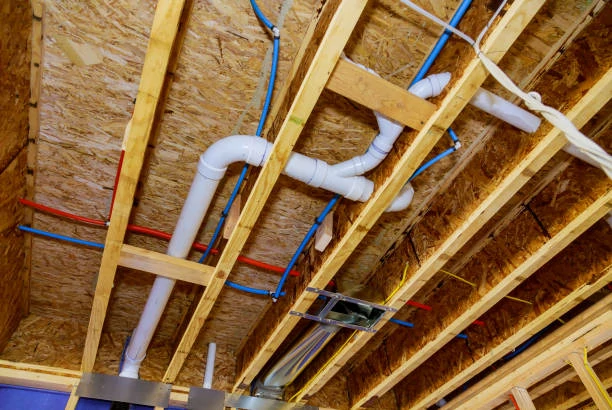
In the vast landscape of plumbing materials, PEX-A and PEX-B stand out as two prominent options, each with its own unique characteristics and applications. Let’s delve deeper into the nuances of these two types of cross-linked polyethylene piping to gain a comprehensive understanding of their differences and determine the most suitable choice for various plumbing projects.
Understanding PEX Types: A, B, and C
Manufacturers categorize all pipes into three main types: PEX-A, PEX-B. These designations indicate the manufacturing processes rather than performance quality. Each type meets stringent international standards, including ASTM876/877 and ISO21003, ensuring consistent reliability.
- PEX-A: Produced using the Peroxide, or “Engel,” method, this type involves creating free radicals when the high-density polyethylene (HDPE) polymer is melted. Cross-linking occurs at temperatures exceeding the decomposition temperature of the polymer, resulting in a flexible and durable pipe. This method, named after inventor Tomas Engel, is known for its superior elasticity.
- PEX-B: This type is manufactured via the “Silane” or “Moisture Cure” method, where cross-linking happens post-extrusion using a catalyst and exposure to hot water. PEX-B is the most common type, favored for its balance of flexibility and cost-effectiveness, making it a popular choice among various manufacturers.
- PEX-C:uses the “Electronic Irradiation” method, also called “Cold” cross-linking, to enhance durability. Manufacturers expose the pipe to an electron radiation beam after extrusion, breaking and reforming molecular links in the process.
Each type of PEX pipe offers specific advantages suited to different plumbing needs, with being particularly noted for their versatile applications. Understanding these types and their manufacturing processes is crucial for selecting the right PEX pipe to ensure optimal performance in your projects.
Introduction to PEX-A
There are represent two distinct manufacturing processes employed in the production of cross-linked polyethylene piping, commonly known as PEX. While both materials share the same base polymer, their manufacturing methods and resulting properties vary significantly.
Proses Pembuatan
Manufacturers produce PEX-A using the Engel method, a high-pressure and high-temperature process that creates a more uniform and highly cross-linked polymer matrix. This “Peroxide” method involves melting the HDPE polymer, generating free radicals that form cross-links between molecules at temperatures exceeding the polymer’s decomposition point. This approach ensures a robust and reliable structure.
For PEX-B, manufacturers use the Silane method, a chemical cross-linking process known as the “Moisture Cure” method. After extrusion, they add a catalyst and expose the PEX tubing to hot water, enabling the formation of links between HDPE molecules. This widely adopted method makes the most common type of tubing on the market.
PEX-C undergoes production through the “Electronic Irradiation” method, also called “Cold” cross-linking. Manufacturers expose the extruded pipe to an electron radiation beam, breaking existing molecular links and initiating cross-linking. This process showcases advanced technology to create a durable and efficient polymer structure.
Manufacturing Process and Materials
PEX pipe, renowned for its flexibility and strength, is primarily made from High Density Polyethylene (HDPE). This material forms the backbone of PEX pipe, offering durability and resilience. The term “PEX” stands for Cross-linked Polyethylene, where the “X” signifies the unique cross-linking process that enhances the polymer’s properties.
The cross-linking of polyethylene is crucial as it boosts the chemical and temperature performance ratings of the polymer. This process also contributes additional flexibility and strength, making PEX a preferred choice for various piping applications.
PEX Types and Production Methods
Manufacturers use the Engel method, a high-pressure and high-temperature process, to produce PEX-A with a uniform and highly cross-linked polymer matrix. This method ensures a product with excellent flexibility and durability.
In contrast, PEX-B is produced using the Silane method, which relies on a chemical cross-linking process. This approach offers a different balance of flexibility and strength, catering to specific needs within the industry.
By combining HDPE with advanced cross-linking techniques, PEX pipes achieve an optimal blend of performance characteristics suited for a wide range of applications.
Cross-Linking Degree
One of the primary differences between Pex pipe lies in their degree of cross-linking. PEX-A typically exhibits a higher degree of cross-linking, resulting in superior flexibility, durability, and resistance to freezing compared.
Fleksibilitas
PEX-A is renowned for its exceptional flexibility, even in cold temperatures, allowing for easier installation and maneuverability around obstacles. In contrast, PEX-B is slightly stiffer and less flexible, which may require additional fittings and connectors in complex installations.
Memory Effect
A notable characteristic of PEX-A is its memory effect, which enables the pipe to return to its original shape after being bent or twisted. This feature simplifies installation and reduces the risk of kinks, providing added convenience for plumbers.
Performance in Freezing Conditions
Due to its higher degree of cross-linking and flexibility, PEX-A exhibits superior resistance to freezing and thawing cycles compared. This makes PEX-A particularly well-suited for installations in cold climates where temperature fluctuations are common.
Biaya
In terms of cost, PEX-B is generally more economical than PEX-A, making it a preferred choice for budget-conscious projects. However, the lower upfront cost of PEX-B may be offset by its slightly inferior performance and flexibility.
Metode Instalasi
Both these can be installed using similar methods such as crimping, expansion, or push-to-connect. However, the greater flexibility of PEX-A may simplify the installation process in certain applications, reducing labor time and costs.
Daya Tahan Jangka Panjang
While both PEX Pipe are durable materials with long lifespans, PEX-A’s higher degree of cross-linking and flexibility may result in slightly better long-term performance and resistance to wear and tear.
Application Considerations
The choice between depends on various factors including budget, installation requirements, and environmental conditions. It is often preferred for applications where flexibility and resistance to freezing are critical, while it may be suitable for less demanding installations where cost is a primary concern.
Sebagai kesimpulan
Understanding the differences between it is essential for selecting the most suitable piping material for plumbing projects. By considering factors such as flexibility, durability, cost, and application requirements, stakeholders can make informed decisions that ensure optimal performance and longevity in their plumbing systems.
Kontak
Kami akan membalas email atau faks Anda dalam waktu 24 jam.
Anda dapat menghubungi kami kapan saja jika ada pertanyaan tentang produksi kami.
Untuk informasi lebih lanjut, silakan kunjungi situs web kami https://www.ifanplus.com/
Silakan Kirim Email ke: [email protected]
Telepon Whatsapp: + 86 19857948982
Tanya Jawab Umum
Do PEX-A and PEX-B meet the same performance requirements?
Both PEX-A and PEX-B meet identical performance benchmarks outlined in various Building Codes and governed by American Standards. This ensures that each type adheres to the same essential criteria for safety and efficiency, regardless of its classification.
In essence, when it comes to performance metrics specified by these regulations, both types are on equal footing. Whether you’re considering PEX-A or PEX-B, rest assured that each must comply with the stringent guidelines set forth to ensure optimal functionality.
What are the characteristics and advantages of PEX-B?
Characteristics and Advantages of PEX-B
PEX-B tubing is crafted through a process known as the “Silane” or “Moisture Cure” method. In this procedure, the cross-linking of the high-density polyethylene (HDPE) molecules occurs post-extrusion. It involves using a catalyst and exposing the tubing to hot water which solidifies its structure.
Key Characteristics of PEX-B:
- Enhanced Structure:
- PEX-B boasts a higher crystallinity in its molecular structure.
- Daya tahan:
- The tubing exhibits increased surface hardness, making it resistant to scratches and abrasions.
- Stabilitas Termal:
- It maintains superior thermo stability, ensuring it withstands high temperatures effectively.
- Rigidity and Strength:
- PEX-B is known for its rigidity, which also contributes to a more durable and robust product that has an impressive burst strength.
Advantages of Choosing PEX-B:
- Keandalan:
- Its strong molecular structure lends it a longer service life, reducing the need for frequent repairs or replacements.
- Keserbagunaan:
- PEX-B can perform well in a range of plumbing and heating applications, thanks to its thermal stability and rigidity.
- Efektivitas Biaya:
- Due to its widespread production by various manufacturers, PEX-B is often more affordable without compromising on quality.
In summary, PEX-B stands out for its enhanced durability, chemical resistance, and cost-effectiveness, making it a preferred choice for plumbing and heating systems.
What are the characteristics and advantages of PEX-A?
Characteristics and Advantages of PEX-A
High Degree of Cross-Linking
PEX-A piping is renowned for its high degree of cross-linking, exceeding 70%. This characteristic contributes significantly to its performance, ensuring durability and resilience.
Fleksibilitas dan Kekuatan
One of the standout features of PEX-A is its exceptional flexibility. Despite having slightly lower crystallinity which results in a lower density and strength compared to other types like PEX-B, this flexibility makes PEX-A easier to install, especially in tight spaces where bending is necessary.
- Kemudahan Instalasi: Flexible nature allows for fewer fittings, reducing both time and potential leak points.
Consistent Bending Radius
Both PEX-A and PEX-B uphold the same minimum bending radius, providing versatility in various applications without sacrificing structural integrity.
Thicker Pipe Walls
PEX-A pipes are generally manufactured with thicker walls. This impacts the Standard Dimension Ratio (SDR), resulting in a lower SDR which may slightly reduce the flow rate. However, the trade-off is worth considering as the thicker walls increase durability and longevity.
Advantages Summarized
- Daya tahan: High cross-linking contributes to improved durability and longevity.
- Kemudahan Penggunaan: Flexible construction allows for easier installation with fewer fittings.
- Aplikasi Serbaguna: Suitable for both residential and commercial use due to its consistent bending capability.
- Ketangguhan: Withstands temperature variations and pressure swings better due to its thicker construction.
Overall, PEX-A’s combination of flexibility, durability, and ease of installation make it a preferred choice for many plumbing applications.
How does the wall thickness and flow rate differ between PEX-A and PEX-B?
Understanding the Differences: PEX-A and PEX-B Wall Thickness and Flow Rate
When comparing PEX-A and PEX-B pipes, two critical factors to consider are wall thickness and flow rate.
Wall Thickness: PEX-A pipes are generally thicker than PEX-B pipes. This increased thickness in PEX-A is due to its lower burst strength, which necessitates a thicker wall to withstand similar operating pressures as PEX-B. Essentially, the thicker wall in PEX-A aids in maintaining the pipe’s durability under pressure.
Flow Rate: The thicker walls of PEX-A, however, result in a reduced flow rate. This is because the pipe’s diameter is decreased due to the additional wall material, allowing less water to pass through at any given time. In contrast, PEX-B, with its thinner walls, boasts a higher flow rate as it can accommodate a larger volume of water due to the wider internal diameter.
In summary, while PEX-A offers durability with its thicker walls, this comes at the cost of a lower flow rate compared to the more streamlined PEX-B.
What are the differences in chemical structure between PEX-A and PEX-B?
Differences in Chemical Structure Between PEX-A and PEX-B
When comparing PEX-A and PEX-B, their chemical structures reveal significant differences that impact their properties and applications.
PEX-A: Flexible and Adjustable
- Lower Crystallinity: PEX-A is characterized by its lower crystallinity. This means the molecular chains are less tightly packed, giving PEX-A a lower density.
- Cross-Linking Necessity: Due to its lower inherent strength, PEX-A requires a higher degree of cross-linking in its manufacturing process. This additional cross-linking enhances its flexibility, making it easier to work with, especially in complex installations.
PEX-B: Durable and Resilient
- Kristalinitas Lebih Tinggi: On the other hand, PEX-B boasts a structure with higher crystallinity. This results in a denser molecular formation, contributing to its overall strength.
- Enhanced Properties: The increased crystallinity in PEX-B offers several advantages. It provides greater surface hardness and improves scratch resistance. Additionally, PEX-B exhibits better thermal stability and rigidity, making it less prone to deformation under temperature fluctuations.
- Resistance Features: Thanks to its robust structure, PEX-B has superior resistance to chlorine solutions and a higher burst strength, which makes it suitable for environments where chemical exposure and pressure are concerns.
In summary, the primary chemical differences between PEX-A and PEX-B lie in their crystallinity and the resulting need for cross-linking, each imparting unique attributes that cater to different functional needs in plumbing installations.
What are the performance standards PEX pipes must meet?
Performance Standards for PEX Pipes
When choosing PEX pipes for plumbing or heating systems, understand the performance standards they meet. Both PEX-A and PEX-B adhere to stringent criteria outlined by building codes and American standards. These standards ensure reliable and safe piping systems.
Here’s what these performance standards typically include:
- Tahan Tekanan dan Suhu: PEX pipes must withstand specific pressure levels and temperature ranges, ensuring durability in residential and commercial environments.
- Fleksibilitas dan Ekspansi: The pipes should demonstrate adequate flexibility and the ability to expand and contract without cracking, particularly in varying climates.
- Ketahanan Klorin: PEX pipes are evaluated for their resistance to chlorine, ensuring they maintain structural integrity in water systems treated with chlorine.
- UV and Oxidation Resistance: Although PEX pipes are generally not designed for prolonged exposure to sunlight, they must resist UV degradation if temporarily exposed. They should also be immune to oxidation to prevent premature failure.
Is UV resistance relevant for PEX pipes?
Understanding UV Resistance in PEX Pipes
When selecting PEX pipes for your project, understanding the relevance of UV resistance is essential. Both PEX A and PEX B types are popular choices due to their flexibility and ease of installation. However, it’s crucial to consider their performance under various environmental conditions.
UV Exposure and PEX Pipes
PEX pipes, by design, are not highly UV resistant. Prolonged exposure to sunlight can degrade the material, leading to brittleness and potential failure. This limitation is an important factor to keep in mind during installation, especially for outdoor applications or areas exposed to direct sunlight.
Meeting Standards and Codes
Regardless of whether you choose PEX A or PEX B, both must comply with the same minimum performance standards set by building codes and American standards for durability and safety. These standards ensure that PEX pipes perform effectively for indoor plumbing, where UV exposure is minimal or controlled.
Poin Penting
If your installation might be subject to significant sunlight exposure, it’s crucial to protect PEX pipes with proper insulation or coverings to extend their lifespan. Alternatively, consider other materials specifically designed for UV resistance to ensure long-lasting performance.
In conclusion, while UV resistance is not a top priority for PEX pipe standards, it becomes relevant when the pipes are exposed to outdoor conditions. Always account for UV protection in your planning to ensure the integrity of your plumbing systems.























