


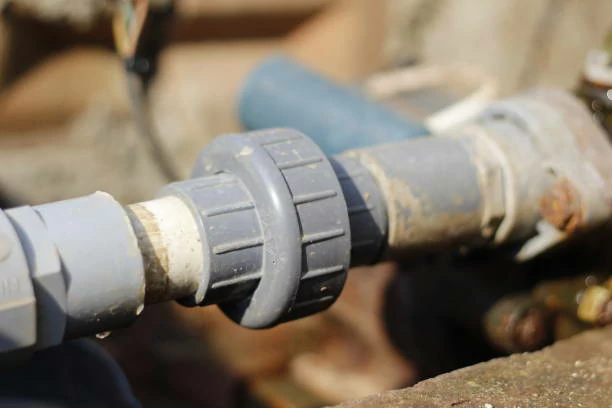
CPVC (Chlorinated Polyvinyl Chloride) pipe fittings provide exceptional mechanical strength, making them a preferred choice for industrial and commercial applications. Many industries rely on CPVC to handle high-pressure fluids, mechanical stress, and impact forces. Unlike standard PVC, CPVC offers better toughness and rigidity, ensuring long-term performance in demanding environments.
Structural Integrity Under High Pressure
Sambungan pipa CPVC withstand significant internal pressure without deforming or failing. Many industries transport pressurized liquids through CPVC piping systems without concerns about bursting or leaks. Compared to traditional plastic materials, CPVC offers greater resistance to stress and strain.
Many engineers design CPVC pipelines for high-pressure environments. Industrial facilities depend on CPVC to maintain consistent performance under heavy loads. Unlike some plastics, which lose strength under pressure, CPVC retains its rigidity and structural integrity.
CPVC fittings handle varying pressure levels in different applications. Some systems require fittings that maintain strength under both static and dynamic pressures. Many chemical plants and water treatment facilities rely on CPVC for these demanding conditions.
Impact Resistance and Toughness
CPVC pipe fittings resist impact damage better than many other plastic materials. Many industries use CPVC in environments where mechanical shocks and sudden forces occur. Unlike brittle materials, CPVC absorbs impact energy without cracking or breaking.
Construction sites and industrial plants expose piping systems to accidental impacts. Many metal pipes dent or deform under such conditions, while CPVC maintains its shape and function. Unlike fragile plastics, CPVC remains strong even when subjected to repeated mechanical stress.
Unlike glass-lined piping, which shatters under impact, CPVC provides a safer alternative. Many industries choose CPVC to minimize downtime caused by accidental damage. Many facilities experience fewer failures and maintenance issues when using CPVC pipe fittings.
Load-Bearing Capacity in Piping Systems
Many piping systems require fittings that support external loads. CPVC provides excellent load-bearing capacity, ensuring stability in various installations. Unlike flexible plastic materials, CPVC maintains its shape even under heavy loads.
Many overhead piping systems rely on CPVC to support the weight of transported fluids. Unlike some thermoplastics, which sag over time, CPVC remains rigid. Many industries use CPVC for both horizontal and vertical installations without concerns about structural weakness.
Unlike some lightweight plastics, CPVC withstands the force exerted by fast-flowing fluids. Many chemical plants and manufacturing facilities install CPVC pipelines without reinforcing supports. Unlike flexible pipes, CPVC prevents buckling under its own weight.
Durability in High-Temperature Environments
Many industrial applications expose piping systems to elevated temperatures. CPVC maintains its mechanical strength even in extreme heat. Many industries transport hot fluids through CPVC piping without performance loss.
Unlike standard PVC, which softens at high temperatures, CPVC retains its structural integrity. Many industries rely on CPVC for transporting hot water, steam, and other high-temperature fluids. Unlike some thermoplastics, CPVC does not warp or lose strength under continuous heat exposure.
Many engineers design CPVC systems for temperature fluctuations. Unlike brittle materials, which crack under thermal stress, CPVC withstands expansion and contraction without failure. Many facilities use CPVC for applications requiring both heat resistance and mechanical strength.
Abrasion Resistance in Industrial Applications
Many industries require piping systems that withstand wear and tear. CPVC fittings resist abrasion caused by high-speed fluid flow and suspended particles. Unlike softer plastics, CPVC provides excellent durability in environments with constant friction.
Many mining and chemical processing plants transport abrasive slurries through CPVC pipelines. Unlike rubber-lined pipes, which wear out quickly, CPVC maintains its strength over time. Many manufacturers prefer CPVC because it reduces maintenance costs and downtime.
Unlike metal pipes, which suffer from internal corrosion and erosion, CPVC provides a smooth surface that resists material loss. Many water treatment plants use CPVC to transport treated water with suspended solids. Many industries benefit from CPVC’s long-lasting performance in abrasive conditions.
Resistance to External Mechanical Stress
Many piping systems experience mechanical stress from external forces. CPVC fittings resist compression, bending, and tension without failure. Unlike brittle materials, CPVC withstands heavy loads without cracking.
Many construction projects involve underground CPVC installations. Unlike some thermoplastics, CPVC resists soil pressure and mechanical stress from surrounding materials. Many industries install CPVC piping systems in confined spaces without concerns about mechanical failure.
Many facilities use CPVC for piping systems exposed to vibrations. Unlike rigid metals, which suffer from fatigue, CPVC absorbs mechanical energy without weakening. Many industrial plants choose CPVC to reduce stress-related failures.
Long-Term Performance and Reliability
Many industries require durable piping solutions that maintain mechanical strength over time. CPVC fittings provide reliable performance for decades. Unlike some plastics, which degrade with age, CPVC retains its structural integrity.
Many industrial facilities experience harsh operating conditions. CPVC withstands mechanical stress, high pressure, and temperature fluctuations without losing strength. Many companies choose CPVC to minimize replacement and maintenance costs.
Unlike traditional materials, which suffer from fatigue over time, CPVC remains resilient. Many engineers select CPVC for applications requiring long-term durability. Many industries benefit from CPVC’s ability to withstand continuous mechanical stress.
Ease of Installation Without Strength Loss
Many piping systems require strong yet lightweight materials for easy installation. CPVC pipe fittings provide an excellent balance between strength and weight. Many workers transport and install CPVC fittings faster than metal alternatives.
Unlike metal pipes, which require welding and specialized tools, CPVC connects using solvent welding. Many facilities prefer CPVC because installation does not reduce mechanical strength. Unlike some plastic fittings, CPVC joints form strong, permanent bonds.
Many industries benefit from CPVC’s reduced labor costs. Unlike heavy materials, which require lifting equipment, CPVC installs quickly by hand. Many contractors choose CPVC to complete projects faster without sacrificing durability.
Comparing CPVC to Other Piping Materials
Many engineers evaluate multiple materials for industrial piping systems. CPVC outperforms traditional options in many areas.
- Pipa Baja: While strong, steel suffers from corrosion and requires protective coatings. Unlike steel, CPVC maintains mechanical strength without additional treatments.
- Standard PVC Pipes: While lightweight, PVC lacks CPVC’s high-temperature resistance and pressure-handling capability. Unlike PVC, CPVC withstands greater mechanical stress.
- Polypropylene (PP) Pipes: While resistant to some chemicals, PP lacks CPVC’s impact resistance and rigidity. Unlike PP, CPVC provides better structural stability.
- Pipa Tembaga: While durable, copper costs significantly more than CPVC. Unlike copper, CPVC resists chemical attacks without requiring protective layers.
Many industries select CPVC because it provides superior mechanical strength at a lower cost. Unlike many alternatives, CPVC delivers a long service life with minimal maintenance.
Industrial Applications Requiring Strong CPVC Fittings
Many industries rely on CPVC pipe fittings for strength and durability. Some key applications include:
- Pabrik Pengolahan Kimia: Many facilities use CPVC to transport aggressive chemicals under high pressure. Unlike other plastics, CPVC maintains strength in harsh environments.
- Fasilitas Pengolahan Air: Many plants install CPVC for handling pressurized fluids. Unlike metal pipes, CPVC resists scaling and corrosion.
- Sistem HVAC: Many heating and cooling systems depend on CPVC for durable, high-temperature piping. Unlike PVC, CPVC withstands thermal expansion.
- Manufaktur Industri: Many factories use CPVC for transporting raw materials and process fluids. Unlike weaker plastics, CPVC handles mechanical stress without failure.
- Operasi Penambangan: Many mining sites rely on CPVC to transport abrasive slurries. Unlike metal pipes, CPVC does not corrode under extreme conditions.
Many industries benefit from CPVC’s superior mechanical strength. Unlike traditional materials, CPVC offers durability, reliability, and cost efficiency.
Kesimpulan
CPVC pipe fittings provide unmatched mechanical strength for demanding applications. Many industries rely on CPVC to handle high pressure, impact forces, and mechanical stress. Unlike standard plastics, CPVC maintains durability under extreme conditions.
Unlike metal pipes, CPVC does not require additional treatments to prevent corrosion. Many facilities install CPVC piping systems for long-term performance. Unlike weaker plastics, CPVC withstands temperature fluctuations and external forces.
Many industries choose CPVC for its combination of strength, reliability, and cost savings. Unlike traditional materials, CPVC delivers exceptional mechanical performance without compromising efficiency.
Standar internasional IFAN
Produk HDPE IFAN mematuhi berbagai standar internasional, yang menjamin kualitas, daya tahan, dan keandalan. Standar-standar ini meliputi ASTM D3035 dan ASTM D3350, yang menetapkan spesifikasi untuk pipa dan material polietilena (PE). Seri ISO 4427 dan EN 12201 menetapkan tolok ukur global untuk pipa PE yang digunakan dalam sistem penyediaan air. Selain itu, DIN 8074/8075 dan GB/T 13663 menetapkan persyaratan kinerja dan dimensi untuk pipa HDPE di pasar Eropa dan Tiongkok. Standar lain yang diakui, seperti AS/NZS 4130 (Australia/Selandia Baru), JIS K6760 (Jepang), BS 6572 (Inggris), dan CSA B137.1 (Kanada), semakin menunjukkan komitmen IFAN untuk memenuhi peraturan industri di seluruh dunia.
Kontak
IFAN adalah produsen profesional dengan pengalaman 30 tahun, yang berdedikasi untuk memproduksi pipa, fitting, dan katup plastik berkualitas tinggi. Produk kami meliputi katup kuningan, katup PPR, serta berbagai pipa dan fitting untuk memenuhi berbagai kebutuhan pelanggan. Baik Anda memerlukan pipa ledeng dan drainase atau produk katup, IFAN dapat menyediakan berbagai macam produk berkualitas tinggi dan hemat biaya untuk mendukung proyek Anda. Berikut adalah informasi kontak kami.
Kami akan membalas email atau faks Anda dalam waktu 24 jam.
Anda dapat menghubungi kami kapan saja jika ada pertanyaan tentang produksi kami.
Untuk informasi lebih lanjut, silakan kunjungi situs web kami https://www.ifanplus.com/
Silakan Kirim Email ke: [email protected]
Telepon Whatsapp: + 86 19857948982























