


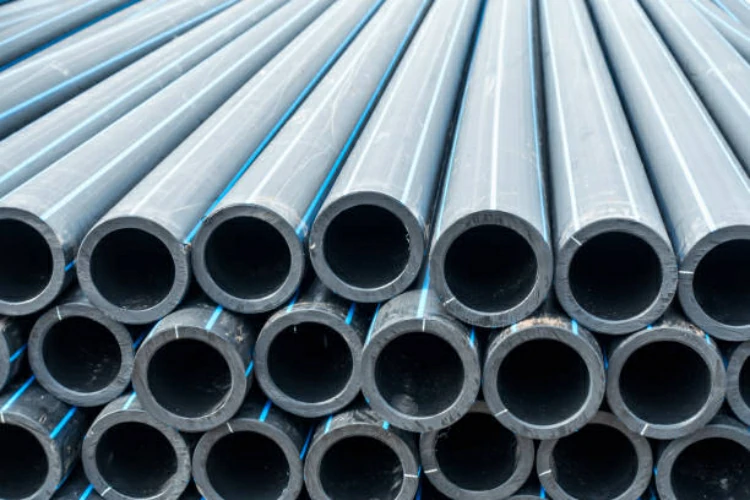
Installing High-Density Polyethylene (HDPE) plumbing systems requires careful planning, proper techniques, and adherence to industry best practices. Let’s explore the methods and considerations involved in the installation of HDPE pipes to ensure efficient and long-lasting plumbing installations.
Persiapan Pra-Instalasi
Before commencing the installation of HDPE plumbing, several preparatory steps are essential to ensure a successful installation process.
Site Survey and Planning
Conduct a comprehensive site survey to assess the layout, terrain, and environmental conditions of the installation site. Identify any obstacles, utilities, or underground structures that may impact the placement of HDPE pipes. Develop a detailed installation plan, including pipe routing, trenching requirements, and equipment needed for the installation.
Material Inspection
Thoroughly inspect the HDPE pipes, fittings, and accessories upon delivery to ensure they meet the required specifications and standards. Check for any signs of damage, defects, or manufacturing inconsistencies that may affect the integrity of the plumbing system.
Penggalian dan Penggalian Parit
Prepare the trench or excavation site according to the planned pipe layout and depth requirements. Ensure the trench is wide enough to accommodate the pipes and any necessary bedding or backfill materials. Take precautions to prevent soil collapse, erosion, or damage to existing utilities during trenching.
Teknik Instalasi
HDPE plumbing systems offer flexibility and versatility in installation, with several methods available to join pipes and fittings.
Pengelasan Fusi Pantat
Butt fusion welding is a common method used to join HDPE pipes of the same diameter. This technique involves heating the pipe ends to their melting point using a fusion machine, then pressing them together to create a seamless, leak-proof joint. Butt fusion welding ensures strong and durable connections suitable for buried or above-ground installations.
Pengelasan Elektrofusi
Electrofusion welding is ideal for joining HDPE pipes and fittings of varying diameters or when precise alignment is required. This method utilizes electrofusion fittings equipped with embedded heating elements. When connected to a compatible electrofusion machine, the fittings heat up and fuse with the pipe ends, forming a secure, welded joint without the need for additional equipment.
Mechanical Joining
Mechanical joining methods, such as compression fittings or flanged connections, offer flexibility and ease of installation for HDPE plumbing systems. Compression fittings utilize a mechanical sleeve and compression ring to secure the pipe ends together, providing a reliable and removable connection. Flanged connections involve bolting HDPE flanges to compatible flanged fittings or equipment, providing a secure and accessible joint for maintenance or repairs.
Considerations and Best Practices
During the installation of HDPE plumbing systems, several considerations and best practices should be observed to ensure optimal performance and longevity.
Proper Handling and Storage
Handle HDPE pipes and fittings with care to prevent damage to the surface or distortion of the shape. Store pipes and fittings in a clean, dry area away from direct sunlight and extreme temperatures to prevent contamination or degradation of the material.
Adequate Support and Alignment
Provide adequate support for HDPE pipes to prevent sagging, deformation, or stress concentrations. Ensure proper alignment of pipes and fittings to minimize friction losses and maintain hydraulic efficiency throughout the plumbing system.
Backfilling and Compaction
Backfill trenches with suitable materials in layers, compacting each layer to provide uniform support and minimize settling. Avoid sharp rocks or debris that may damage the pipes, and use granular materials to provide adequate drainage and stability around the pipe.
Kesimpulan
Proper installation of HDPE plumbing systems is essential to ensure reliable and long-lasting performance in various applications. By following industry best practices, employing appropriate installation techniques, and adhering to recommended guidelines, plumbing professionals can achieve efficient and durable HDPE installations that meet the needs of diverse projects and environments.
Kontak
JIKA adalah produsen profesional dengan pengalaman 30 tahun, yang didedikasikan untuk memproduksi pipa, fitting, dan katup plastik berkualitas tinggi. Produk kami meliputi katup kuningan, katup PPR, serta berbagai pipa dan fitting untuk memenuhi berbagai kebutuhan pelanggan. Baik Anda membutuhkan pipa ledeng dan drainase atau produk katup, JIKA dapat menyediakan berbagai macam produk berkualitas tinggi dan hemat biaya untuk mendukung proyek Anda. Berikut adalah informasi kontak kami.
Kami akan membalas email atau faks Anda dalam waktu 24 jam.
Anda dapat menghubungi kami kapan saja jika ada pertanyaan tentang produksi kami.
Untuk informasi lebih lanjut, silakan kunjungi situs web kami https://www.ifanplus.com/
Silakan Kirim Email ke: [email protected]























