


Perkenalan
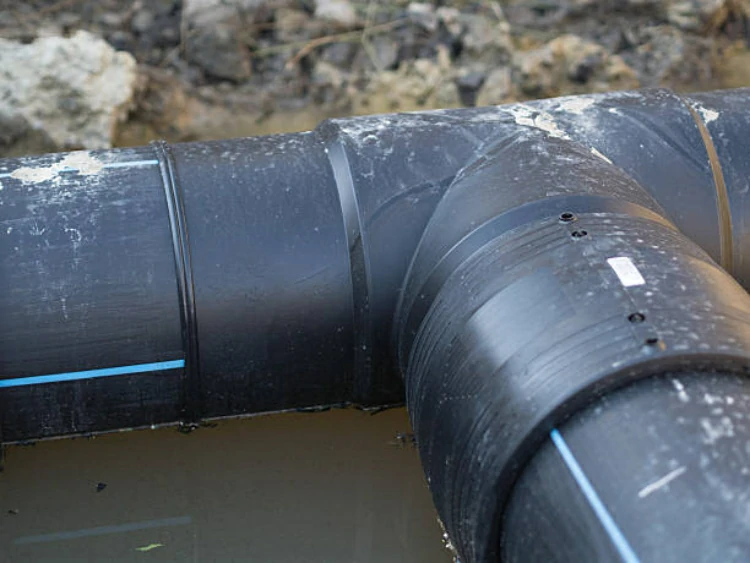
In the realm of modern infrastructure, High-Density Polyethylene (HDPE) pipes have emerged as a cornerstone due to their versatility and durability. Understanding the intricate process behind the manufacturing of HDPE pipes is crucial for appreciating their widespread applications across various industries.
The Extrusion Process
The manufacturing journey of HDPE pipes begins with the extrusion process, a fundamental technique in polymer processing. Pemilihan Bahan Baku: High-quality HDPE resin pellets are carefully selected based on specific requirements such as density, molecular weight, and melt flow rate. Melting and Mixing: The resin pellets are fed into an extruder where they undergo controlled heating and mixing to achieve uniformity in material properties. Extrusion Die Design: The process involves forcing the molten HDPE material through a specially designed die, which imparts the desired shape and dimensions onto the pipe. As the extruded HDPE pipe emerges, it passes through a cooling chamber, solidifying its shape. Sizing tools ensure precise diameter control before cutting the pipes to the desired lengths.
Langkah-langkah Pengendalian Mutu
Maintaining stringent quality control throughout the manufacturing process is paramount to ensure the reliability and performance of HDPE pipes. Material Testing: Raw materials undergo rigorous testing to verify compliance with industry standards and specifications. In-Process Monitoring: Advanced sensors and monitoring systems track key parameters such as temperature, pressure, and extrusion rate in real-time, enabling prompt adjustments to optimize production quality. Inspeksi Dimensi: Finished HDPE pipes undergo meticulous dimensional inspection to verify adherence to precise tolerances and specifications. Mechanical Testing: We subject samples from production batches to mechanical tests such as tensile strength, impact resistance, and flexibility to validate performance characteristics.
Advancements in Manufacturing Technology
Advancements in manufacturing technology revolutionize HDPE pipe production, improving efficiency, sustainability, and innovation. Co-extrusion adds functional layers for enhanced properties. Automation streamlines processes, reducing manual work. Sustainable practices like recycling and energy reduction are embraced. Digitalization enables predictive maintenance and data-driven decisions, enhancing efficiency and quality.
Kesimpulan
In conclusion, the manufacturing process of HDPE pipes is complex, relying on precision engineering, quality assurance, and technological innovation. Understanding extrusion, quality control, and advancements highlights the crucial role HDPE pipes play in modern infrastructure. Embracing manufacturing technology advancements will enhance product performance, sustainability, and cost-effectiveness, ensuring HDPE pipes’ continued success.
Kontak
IFANPLUS adalah rangkaian produk khusus yang diluncurkan oleh IFAN, yang utamanya meliputi pipa plastik, fitting, dan berbagai jenis katup. Kami menawarkan pipa PPR dan PVC dalam standar Jerman dan Amerika, yang menjamin kualitas dan keandalan produk kami yang tinggi. Produk katup IFANPLUS meliputi berbagai katup, dari katup PPR hingga katup tembaga beragam lainnya, yang memenuhi kebutuhan spesifik Anda. Apa pun produk yang Anda butuhkan, IFANPLUS akan menjadi mitra andal Anda. Berikut adalah informasi kontak kami.
Kami akan membalas email atau faks Anda dalam waktu 24 jam.
Anda dapat menghubungi kami kapan saja jika ada pertanyaan tentang produksi kami.
Untuk informasi lebih lanjut, silakan kunjungi situs web kami https://www.ifanplus.com/
Silakan Kirim Email ke: [email protected]























