


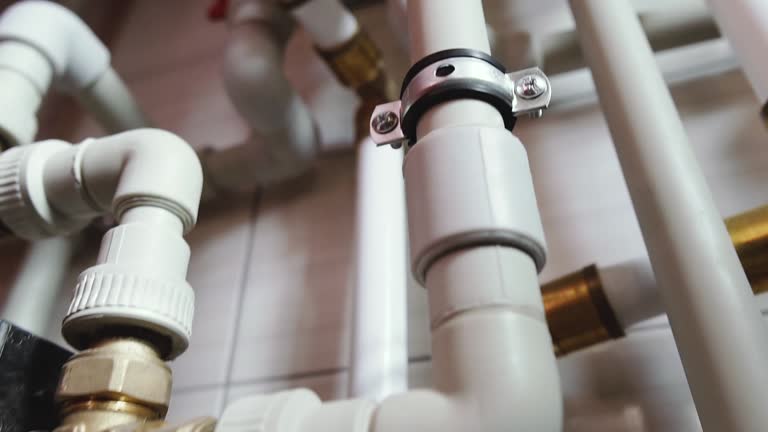
1. Basic Definition and Overall Summary
A pipa air pvc offers reliable performance while supporting environmentally conscious water systems. This pipe uses polyvinyl chloride, a strong material that lasts many years and reduces resource waste. Its long service life limits replacement frequency and lowers environmental impact.
A PVC pipa resists corrosion and chemical exposure in soil and water. This stability helps protect water quality and reduces contamination risks. The smooth inner wall supports efficient flow and limits energy use in pumped systems.
Many contractors rely on this pipe because it provides dependable results in both indoor and outdoor environments. The material composition also supports recycling programs in modern manufacturing. A PVC pipa remains valuable for projects that aim to balance performance, cost control, and environmental responsibility.
2. FAQ – Five Common Questions
Q1: Does PVC harm the environment?
No. A pipa air pvc supports long-term use and reduces material waste through recycling programs.
Q2: Can PVC maintain water purity?
Yes. A pipa air pvc resists chemical reactions and protects water from external contamination.
Q3: Does PVC withstand harsh environments?
Yes. A pipa air pvc tolerates soil pressure, moisture, and temperature changes.
Q4: Can PVC reduce maintenance work?
Yes. A pipa air pvc requires very little maintenance because it does not corrode.
Q5: Does PVC support sustainable projects?
Yes. A pipa air pvc helps reduce energy use, resource waste, and environmental footprint.
3. Industries of Application
Many industries value the environmental advantages of a pipa pvc. Municipal water systems use PVC to reduce leakage and energy use. These pipes support stable distribution and help cities improve supply efficiency.
Agricultural projects rely on PVC for irrigation because it resists fertilizer chemicals and maintains water flow. This helps farmers manage water resources effectively.
Commercial buildings use a PVC pipa for indoor plumbing, cooling lines, and landscape watering. Its long lifespan supports sustainable building standards.
Industrial facilities integrate PVC into process water systems to minimize contamination risk and reduce pipe replacement frequency.
4. Installation Guidelines
Proper installation protects the environmental benefits of any PVC pipa. Installers must cut the pipe cleanly and remove all burrs. A clean surface ensures strong joints and prevents leakage.
The installer must apply solvent cement only on dry and well-prepared surfaces. Correct alignment keeps the system efficient and safe.
Support spacing must follow standard recommendations to reduce stress and maintain structural integrity. Underground installations require careful backfilling to avoid long-term deformation.
Final pressure testing confirms that the PVC pipa performs well and protects water quality during operation.
🔥 Big Store Bulk Purchase Event – Special Insertion
Contractors and distributors can join our large purchasing event for PVC pipa orders.
Visit our warehouse at 4340 Harry Place, COLORADO SPRINGS, Colorado. We offer strong inventory, fast pickup service, and helpful support for environmental projects of any scale.
5. Comparison with Other Pipe Materials
A pipa air pvc delivers environmental advantages when compared with metal pipes. Metal pipes corrode and release particles, while PVC protects water purity.
Compared with PPR pipes, PVC uses less energy during production and weighs less, which reduces transport emissions.
Compared with PE pipes, the PVC pipa offers better rigidity and needs fewer structural supports in long installations. PE provides flexibility but often needs more installation adjustments.
PVC also reduces cost while delivering consistent environmental performance.
6. News from the Pipe Manufacturing Industry
Manufacturers continue to improve environmental efficiency in pipa air pvc production. Many factories now use low-emission stabilizers and energy-saving extrusion lines.
Recycling programs expand as companies reprocess PVC waste into usable material for new pipe systems.
Several major producers invest in research to increase pipe durability and reduce micro-impact during use. These innovations support eco-friendly building and municipal planning.
Global demand for pipa air pvc continues to rise as cities prioritize sustainable infrastructure.
7. Kesimpulan
A pipa air pvc combines environmental protection with practical performance. Its durable structure, resistance to chemicals, and long service life reduce waste and protect water quality.
Many industries choose PVC for projects that require clean water, safe distribution, and responsible resource use.
As manufacturing improves, the pipa air pvc will continue to play a key role in sustainable infrastructure and modern environmental planning.
Hubungi IFAN untuk Katalog dan Sampel
Butuh dokumen teknis, katalog, atau contoh produk? Hubungi IFAN hari ini.
📧 Surel: [email protected]
📱 Whatsapp: +86 19857948982
Tim kami merespons dengan cepat dan menyediakan dukungan profesional untuk semua kebutuhan pipa Anda.
Standar internasional IFAN
Sistem perpipaan IFAN mematuhi berbagai standar internasional untuk memastikan kualitas dan kinerja yang tinggi. Standar ini mencakup ASTM F1974 dan ASTM F1281 untuk sistem perpipaan multilapis, CSA B137 untuk aplikasi perpipaan Kanada, DIN 16836 untuk spesifikasi teknis Jerman, GB18997 untuk standar Cina, dan ISO 21003, yang mencakup sistem perpipaan multilapis yang digunakan untuk instalasi air panas dan dingin. Cakupan sertifikasi yang luas ini menyoroti komitmen IFAN terhadap kepatuhan global dan keandalan produk.























