


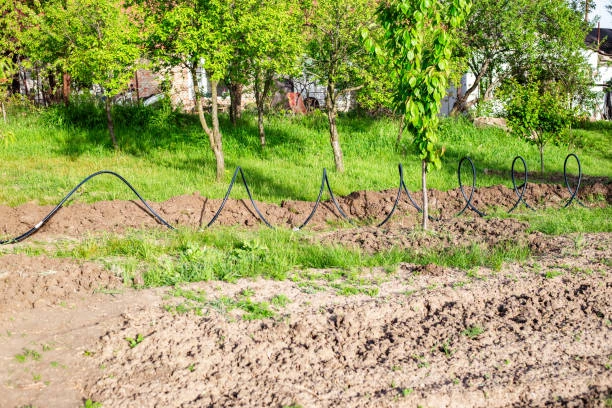
Efficient water use remains a top priority for sustainable agriculture. Irigasi tetes HDPE systems offer significant environmental advantages. These systems minimize water waste, reduce energy consumption, and protect soil health. This article explores the many ways HDPE dripping irrigation benefits the environment. It also highlights how this technology supports eco-friendly farming practices.
Understanding HDPE Dripping Irrigation
High-Density Polyethylene (HDPE) forms the basis of drip irrigation tubing. The system delivers water slowly and precisely to plant roots through small emitters. This controlled delivery reduces runoff and evaporation. Compared to traditional irrigation methods, HDPE dripping irrigation conserves water and energy.
Konservasi Air
One of the most important environmental benefits of HDPE drip irrigation is water conservation. Unlike flood or sprinkler irrigation, drip systems apply water directly to the root zone. This reduces evaporation losses and deep percolation beyond roots.
Additionally, farmers use less water overall. Water savings can reach 30 to 60 percent compared to other methods. This reduction helps protect local water resources and aquatic ecosystems.
Reduced Soil Erosion
Traditional irrigation can cause soil erosion by disturbing the soil surface with large volumes of water. In contrast, drip irrigation delivers water gently and uniformly. This limits soil displacement and surface runoff.
Preserving topsoil improves soil fertility and structure. It also prevents sedimentation in nearby water bodies, protecting aquatic habitats.
Konsumsi Energi Lebih Rendah
HDPE drip irrigation systems operate at low water pressure. This lowers the energy needed to pump water through the system. Compared to sprinkler or flood irrigation, drip irrigation requires less electricity or fuel.
Lower energy consumption reduces greenhouse gas emissions. This helps mitigate climate change and improves farm sustainability.
Fertilizer Efficiency and Reduced Pollution
Drip irrigation supports fertigation, injecting fertilizers directly into irrigation water. This precise nutrient delivery improves uptake efficiency. Consequently, farmers apply less fertilizer, reducing chemical runoff and groundwater contamination.
Lower fertilizer use decreases pollution risks in rivers and lakes. It also protects beneficial soil organisms, promoting soil health.
Improved Soil Health
Applying water and nutrients directly to plant roots promotes healthier soils. HDPE drip irrigation avoids overwatering, which can cause soil compaction and nutrient leaching.
Healthy soils have better structure, increased organic matter, and improved microbial activity. These factors enhance crop growth and long-term productivity.
Enhanced Crop Health and Yield
By providing consistent moisture, HDPE drip irrigation reduces plant stress. Stable soil moisture supports healthy root development and nutrient absorption.
Strong plants resist pests and diseases better, lowering pesticide use. Reduced pesticide application further benefits the environment.
Reduced Greenhouse Gas Emissions
By conserving water and energy, drip irrigation indirectly reduces greenhouse gas emissions. Lower fertilizer use also decreases emissions of nitrous oxide, a potent greenhouse gas released from fertilized soils.
Together, these effects contribute to climate change mitigation in agriculture.
Minimizing Waterlogging and Salinization
Over-irrigation can cause waterlogging, damaging plant roots and reducing yields. It can also lead to soil salinization, especially in arid regions.
HDPE drip systems deliver precise water volumes, preventing waterlogging. This reduces salt buildup in soils, protecting land productivity.
Plastic Use and Recycling Considerations
HDPE pipes are plastic, raising concerns about plastic waste. However, HDPE is highly durable and recyclable. Proper maintenance extends system life, reducing plastic consumption.
After use, HDPE pipes can be collected and recycled into new products. This supports a circular economy and minimizes environmental impact.
Reduced Runoff and Flooding
Drip irrigation reduces surface runoff by applying water slowly. This helps prevent local flooding and soil nutrient loss during heavy rains.
Less runoff also reduces pollutant transport into streams and rivers, protecting aquatic ecosystems.
Compatibility with Organic Farming
Drip irrigation fits well with organic farming principles. By reducing chemical runoff and conserving water, it supports organic certification standards.
Farmers can use drip systems with organic fertilizers and biological pest control, further minimizing environmental harm.
Conservation of Biodiversity
Water conservation and reduced chemical use help protect nearby natural habitats. This supports local biodiversity, including pollinators and beneficial insects.
Healthy ecosystems improve farm resilience and productivity over time.
Climate Adaptation Benefits
HDPE dripping irrigation helps farmers adapt to climate change. Efficient water use addresses increasing water scarcity and irregular rainfall patterns.
By maintaining stable soil moisture, drip irrigation supports crop growth despite changing weather. This enhances food security under climate stress.
Reducing Carbon Footprint of Farming
Energy savings and lower fertilizer inputs reduce agriculture’s carbon footprint. Farmers contribute to global emission reduction goals by adopting drip irrigation.
Combined with renewable energy sources, HDPE drip systems support carbon-neutral farming.
Supporting Sustainable Water Management
Drip irrigation encourages responsible water management. It aligns with integrated water resource management practices promoted by environmental agencies.
Sustainable water use protects aquifers, rivers, and wetlands for future generations.
Sinergi Ekonomi dan Lingkungan
Farmers benefit economically from lower water, energy, and fertilizer costs. These savings encourage wider adoption of environmentally friendly irrigation.
Economic incentives and environmental benefits create a positive feedback loop promoting sustainability.
Government Policies and Incentives
Many governments recognize the environmental benefits of drip irrigation. They provide incentives or subsidies for HDPE drip system installation.
These policies accelerate adoption, reducing agriculture’s environmental footprint nationwide.
Challenges in Environmental Impact
Plastic waste remains a concern without proper recycling programs. Also, poor system maintenance can reduce water savings and increase environmental harm.
Training and awareness are vital to maximize environmental benefits.
Innovations to Improve Sustainability
New biodegradable materials for drip lines are under development. These reduce plastic pollution risks.
Smart irrigation controllers and sensors optimize water use, minimizing waste.
Kesimpulan
HDPE dripping irrigation offers multiple environmental benefits. It conserves water, protects soil, reduces energy use, and lowers pollution. These factors support sustainable agriculture and natural resource conservation.
Farmers can enhance both productivity and environmental stewardship by adopting HDPE drip irrigation. Proper maintenance and recycling ensure minimal plastic waste. Future innovations promise even greater sustainability.
In summary, HDPE dripping irrigation represents a key technology for eco-friendly farming. It balances economic needs with environmental protection, fostering a healthier planet for future generations.
Standar internasional IFAN
Produk pipa poli IFAN mematuhi berbagai standar internasional untuk memastikan kualitas, keamanan, dan kompatibilitas di seluruh pasar global. Standar-standar tersebut meliputi ASTM D3035, ASTM D3350, seri ISO 4427, seri EN 12201, DIN 8074/8075, seri GB/T 13663, AS/NZS 4130, JIS K6760, BS 6572, dan CSA B137.1, dan lain-lain. Kepatuhan menyeluruh ini mencerminkan komitmen IFAN untuk memberikan solusi perpipaan yang andal yang memenuhi berbagai persyaratan teknis pasokan air, distribusi gas, dan aplikasi industri di seluruh dunia.
Kontak
IFAN adalah produsen profesional dengan pengalaman 30 tahun, yang berdedikasi untuk memproduksi pipa, fitting, dan katup plastik berkualitas tinggi. Produk kami meliputi katup kuningan, katup PPR, serta berbagai pipa dan fitting untuk memenuhi berbagai kebutuhan pelanggan. Baik Anda memerlukan pipa ledeng dan drainase atau produk katup, IFAN dapat menyediakan berbagai macam produk berkualitas tinggi dan hemat biaya untuk mendukung proyek Anda. Berikut adalah informasi kontak kami.
Kami akan membalas email atau faks Anda dalam waktu 24 jam.
Anda dapat menghubungi kami kapan saja jika ada pertanyaan tentang produksi kami.
Untuk informasi lebih lanjut, silakan kunjungi situs web kami https://www.ifanplus.com/
Silakan Kirim Email ke: [email protected]
Telepon Whatsapp: + 86 19857948982























