


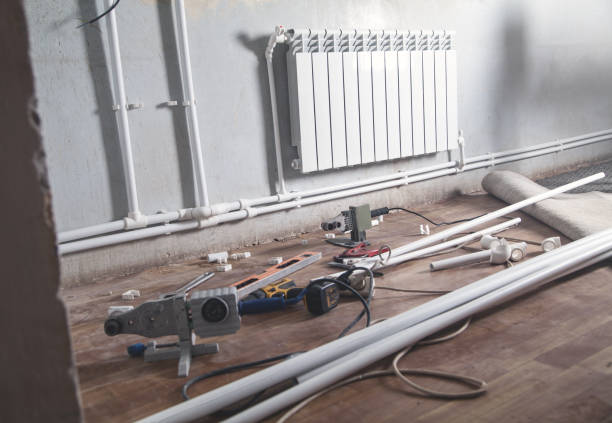
PPR (Polypropylene Random Copolymer) quick-connect pipes offer a sustainable, durable, and cost-effective solution for modern plumbing systems. Known for their eco-friendly properties, PPR pipes resist corrosion, ensure safe water transport, and simplify installation with their quick-connect fittings. This guide explores the essentials of PPR piping systems, their applications, and how to choose the right materials from reputable PPR fitting distributors in the USA. From answering common questions to comparing PPR with other materials, this article provides a comprehensive resource for homeowners, contractors, and businesses aiming to adopt green plumbing solutions.
Frequently Asked Questions (FAQ) About PPR Quick-Connect Pipes
1. What makes PPR pipes eco-friendly?
PPR pipes use recyclable polypropylene, reducing environmental impact compared to traditional metal pipes. Their production requires less energy, and they last up to , minimizing replacements and waste.
2. Are PPR pipes safe for drinking water?
Yes, PPR pipes meet strict health standards. They resist chemical leaching and bacterial growth, ensuring clean and safe drinking water for residential and commercial use.
3. How do quick-connect fittings work?
Quick-connect fittings allow pipes to join without glue or welding. They use a push-fit mechanism, making installation faster and more accessible, even for DIY enthusiasts.
4. Can PPR pipes handle hot water?
Absolutely. PPR pipes withstand temperatures up to 200°F (93°C), making them ideal for hot water systems in homes, hotels, and industrial settings.
5. Where can I find reliable PPR fitting distributors in the USA?
Look for distributors offering certified PPR products with clear documentation. Reputable suppliers provide a range of sizes, colors, and fittings to suit various applications.
What Are PPR Piping Systems?
PPR piping systems consist of pipes and fittings made from polypropylene random copolymer, a lightweight, durable plastic. Unlike metal pipes, PPR systems resist rust and scaling, ensuring long-term reliability. Their standout feature is the quick-connect fitting system, which allows secure connections without specialized tools. Additionally, PPR pipes insulate better than metal, reducing heat loss in hot water systems and preventing condensation in cold water lines. These qualities make PPR a top choice for eco-conscious plumbing projects.
The material’s flexibility also simplifies installation in tight spaces. PPR pipes come in various diameters, typically ranging from 20mm to 160mm, catering to both small residential projects and large industrial systems. Their smooth inner surface minimizes friction, improving water flow and reducing energy costs for pumped systems.
Penggunaan Umum dan Aplikasi Industri
PPR quick-connect pipes serve a wide range of industries due to their versatility and durability. Here are some key applications:
- Pipa Ledeng Perumahan: Homeowners use PPR pipes for hot and cold water supply lines, as they resist temperature fluctuations and ensure clean water delivery.
- Bangunan Komersial: Hotels, offices, and hospitals rely on PPR systems for their low maintenance and ability to handle high water volumes.
- Sistem Industri: Factories and processing plants choose PPR for chemical resistance, making it suitable for transporting non-aggressive liquids.
- Irigasi Pertanian: PPR pipes support drip irrigation and water distribution systems, offering durability in outdoor environments.
- Sistem HVAC: Their thermal insulation properties make PPR pipes ideal for heating, ventilation, and air conditioning setups.
This versatility ensures PPR systems meet diverse needs, from small-scale home renovations to large infrastructure projects.
PPR Pipe Selection Guide
Choosing the right PPR pipes and fittings requires attention to several factors. Here’s a step-by-step guide to ensure you select high-quality materials from PPR fitting distributors in the USA:
- Kualitas Material: Opt for pipes made from Type-3 PPR, the highest grade of polypropylene random copolymer. This ensures durability and resistance to pressure and temperature changes.
- Kode Warna: PPR pipes come in colors like green, white, and blue. Green often indicates eco-friendly options, while white is common for indoor use. Confirm the color aligns with your project’s needs.
- Sertifikasi: Look for products certified by organizations like NSF or ISO. These certifications guarantee safety for drinking water and compliance with industry standards.
- Size and Thickness: Match the pipe diameter and wall thickness to your system’s pressure and flow requirements. Common sizes include 20mm for small lines and 63mm for main supply lines.
- Fitting Compatibility: Ensure fittings match the pipe brand and type. Quick-connect fittings should lock securely without leaks.
- Supplier Reputation: Choose distributors with transparent product specifications and reliable customer support. Check reviews and ask for samples if possible.
By focusing on these criteria, you ensure a PPR system that performs reliably and lasts for decades.
Installation Tips for PPR Quick-Connect Pipes
Proper installation maximizes the lifespan and efficiency of PPR piping systems. Follow these tips to avoid common pitfalls:
- Plan the Layout: Map out the piping route to minimize bends and connections. This reduces pressure loss and simplifies maintenance.
- Use Proper Tools: While quick-connect fittings don’t require welding, a pipe cutter and deburring tool ensure clean cuts for secure connections.
- Check Alignment: Ensure pipes and fittings align perfectly before locking them. Misalignment can cause leaks or weak joints.
- Uji Kebocoran: After installation, run water through the system and check for leaks. Tighten or reattach fittings as needed.
- Avoid Overexposure: Protect outdoor PPR pipes from direct sunlight, as UV rays can degrade the material over time. Use insulation or UV-resistant coatings.
- Ikuti Pedoman Produsen: Each brand may have specific installation instructions. Always refer to the supplier’s manual for best results.
With these steps, even beginners can install PPR systems efficiently and avoid costly repairs.
PPR vs. Other Piping Materials: A Comparison
To highlight PPR’s advantages, here’s a comparison with other common piping materials:
| Fitur | Pipa PPR | Pipa PVC | Pipa Tembaga | Pipa Baja Galvanis |
|---|---|---|---|---|
| Bahan | Polipropilena | Polyvinyl Chloride | Tembaga | Steel with zinc coating |
| Ramah Lingkungan | Recyclable, low energy production | Non-recyclable, chemical concerns | Recyclable, high energy production | Recyclable, heavy production impact |
| Tahan Korosi | Excellent, no rust or scaling | Good, but degrades over time | Good, but prone to pitting | Poor, rusts over time |
| Instalasi | Quick-connect, no welding | Glue-based, time-consuming | Soldering, labor-intensive | Threading, complex |
| Biaya | Terjangkau | Sangat terjangkau | Mahal | Moderate to expensive |
| Jangka hidup | Up to | 20–40 tahun | 50–70 years | 20–30 tahun |
| Kisaran Suhu | Up to 200°F (93°C) | Up to 140°F (60°C) | Up to 400°F (204°C) | Up to 200°F (93°C) |
| Berat | Ringan | Ringan | Berat | Very heavy |
PPR stands out for its balance of affordability, ease of installation, and eco-friendliness, making it a top choice for modern plumbing needs.
Kesimpulan
PPR quick-connect pipes offer an eco-friendly, durable, and versatile solution for plumbing systems across residential, commercial, and industrial applications. Their recyclability, resistance to corrosion, and ease of installation make them a smart choice for sustainable projects. By selecting high-quality materials from trusted PPR fitting distributors in the USA and following proper installation practices, you ensure a reliable system that lasts for decades. Whether you’re upgrading a home or designing a large-scale irrigation system, PPR pipes deliver performance and environmental benefits.
Hubungi IFAN untuk Katalog dan Sampel
Butuh dokumen teknis, katalog, atau contoh produk? Hubungi IFAN hari ini.
📧 Surel: [email protected]
📱 Whatsapp: +86 19857948982
Tim kami merespons dengan cepat dan menyediakan dukungan profesional untuk semua kebutuhan pipa Anda.
Standar internasional IFAN
Sistem perpipaan IFAN mematuhi berbagai standar internasional untuk memastikan kualitas dan kinerja yang tinggi. Standar ini mencakup ASTM F1974 dan ASTM F1281 untuk sistem perpipaan multilapis, CSA B137 untuk aplikasi perpipaan Kanada, DIN 16836 untuk spesifikasi teknis Jerman, GB18997 untuk standar Cina, dan ISO 21003, yang mencakup sistem perpipaan multilapis yang digunakan untuk instalasi air panas dan dingin. Cakupan sertifikasi yang luas ini menyoroti komitmen IFAN terhadap kepatuhan global dan keandalan produk.























