


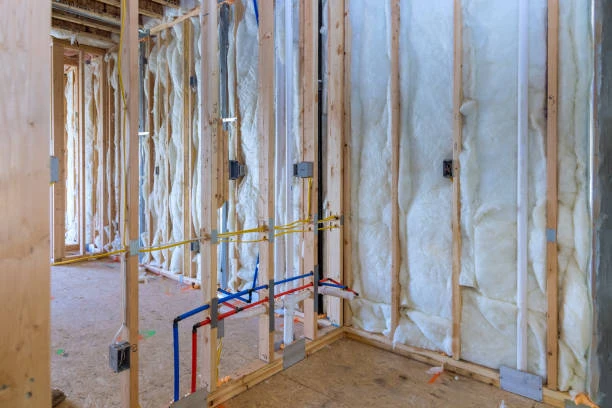
In the evolving world of plumbing, ease of installation has become a critical factor in selecting the right piping material. Whether for new construction or renovation, installers and contractors seek systems that reduce labor time, minimize costs, and offer long-term reliability. Pipa PEX, or cross-linked polyethylene piping, checks all these boxes—and more. Known for its flexibility, durability, and user-friendly design, PEX is revolutionizing how plumbing systems are installed.
This comprehensive article explores why PEX plumbing is so easy to install. We will examine its unique properties, installation methods, time-saving benefits, and why professionals and DIYers alike are embracing PEX as a modern solution for residential and commercial plumbing systems.
The Evolution of Plumbing Materials
Traditionally, plumbing systems relied on rigid materials like copper, galvanized steel, or CPVC. While these options are effective, they present significant challenges during installation. For instance, copper requires precise cutting, soldering, and joining, all of which take time and require special tools and skills. Galvanized steel is heavy, cumbersome, and prone to corrosion. CPVC, although lighter, still needs cement-based adhesives that have a curing time.
In contrast, PEX offers a hassle-free experience from start to finish. Thanks to its flexible nature and simple connection methods, PEX dramatically reduces installation complexity.
Understanding What Makes PEX Easy to Work With
One of the key reasons PEX plumbing is so simple to install lies in its physical properties. PEX tubing is flexible, lightweight, and available in long rolls. This allows it to bend around corners and obstacles without the need for additional fittings. As a result, installers can create more direct piping routes, significantly cutting down on labor.
Additionally, PEX does not require heat or glue to join pipes. Instead, it uses mechanical fittings such as crimp, clamp, push-fit, or expansion methods. These options are not only faster but also safer, eliminating the need for open flames or volatile solvents.
Flexible Design Means Fewer Connections
Because PEX tubing is so flexible, it can often be installed in long, continuous runs from a manifold or supply point to individual fixtures. This is known as a home-run plumbing system. Compared to rigid materials that require multiple cuts and connections, PEX’s ability to bend around corners and follow structural contours means fewer joints.
Fewer joints translate to less potential for leaks, which not only improves reliability but also reduces installation time and effort. Furthermore, fewer fittings mean reduced material costs and inventory management on job sites.
Wide Range of Connection Methods
PEX plumbing supports several types of connections, each designed for specific needs and skill levels. The most common include:
- Crimp fittings, which use a copper ring and crimping tool.
- Clamp fittings, which use a stainless-steel ring tightened with a ratcheting tool.
- Expansion fittings, which temporarily expand the tubing for a tight fit once it contracts.
- Push-fit fittings, which require no tools and are ideal for quick or temporary connections.
This variety gives installers the freedom to choose the method that best suits their project requirements. Additionally, all these methods are straightforward, quick, and easy to learn, even for beginners.
Tools Are Simple and Inexpensive
Another reason PEX plumbing is so installer-friendly is that it does not require expensive or complicated tools. Most PEX tools are hand-operated and portable. For example, crimping and clamping tools are compact and lightweight, and expansion tools are available in both manual and battery-powered versions.
By contrast, copper systems often require torches, flux, and pipe cutters, while CPVC installations need primer, cement, and plenty of ventilation. The simplicity of PEX tools makes the entire process faster and safer.
Easier Installation in Tight or Complex Spaces
In older buildings or remodels, plumbing often needs to run through confined areas such as attics, crawl spaces, and wall cavities. PEX’s ability to bend and curve makes it ideal for such situations. It can snake through small openings and wrap around beams without requiring extensive demolition.
Because of its flexibility, installers can route PEX with minimal disruption to existing structures. This not only preserves architectural elements but also speeds up the overall renovation process.
Time Savings on Every Job
Time is money in the construction world. One of the biggest advantages of PEX plumbing is the substantial time savings during installation. Compared to copper or CPVC, PEX installations can be completed in a fraction of the time.
For example, while soldering a copper joint may take several minutes, connecting PEX using a crimp or clamp fitting takes only seconds. Similarly, the need for fewer fittings and the ability to run long continuous lines reduce interruptions and delays.
In large-scale projects such as apartment complexes or office buildings, these savings add up quickly. Contractors often report cutting labor time by 50% or more when using PEX over traditional materials.
Lightweight Material Reduces Physical Strain
PEX is significantly lighter than copper or steel, making it easier to transport, carry, and install. A single installer can often handle a roll of PEX without assistance, while copper pipes may require a second person or additional equipment.
Reduced weight means less fatigue and fewer injuries on the job site. Installers can work faster and longer without experiencing the physical toll associated with heavier materials.
Compatibility with Modern Plumbing Layouts
Modern plumbing systems often rely on manifold-based designs, where a central control panel distributes water to individual fixtures. PEX is perfectly suited to this approach. Its flexibility and ease of routing make it ideal for direct connections from the manifold to each fixture.
This design minimizes the number of fittings and simplifies troubleshooting. If a fixture experiences a problem, it can often be isolated and repaired without affecting the rest of the system.
Reduced Risk of Installation Errors
Because PEX installations involve fewer steps, they present less opportunity for errors. Unlike copper, where an improperly soldered joint can fail under pressure, or CPVC, where incorrect adhesive application can lead to leaks, PEX’s mechanical fittings are more consistent and reliable.
Moreover, PEX tubing comes in color-coded options—typically red for hot water and blue for cold. This makes it easier to identify and organize plumbing runs during installation, reducing the risk of confusion or mistakes.
Cost-Effective and Budget Friendly
Not only does PEX save time, but it also lowers overall project costs. The tubing itself is usually less expensive than copper, and the fittings, while varying by type, are generally affordable. When labor savings are factored in, PEX plumbing becomes one of the most cost-effective solutions available.
For DIYers and homeowners, the savings can be even more dramatic. With minimal training and a few basic tools, many people successfully install PEX plumbing in their own homes.
Proven Reliability and Industry Adoption
Despite its simplicity, PEX plumbing is not a compromise in quality. It has been used in North America and Europe for over with outstanding results. Many plumbing professionals have embraced PEX for its combination of ease and durability.
Leading building codes and certification agencies fully approve PEX for use in residential and commercial systems. This widespread acceptance provides additional confidence in its reliability and performance.
Ideal for Both New Construction and Renovation
While PEX shines in new construction due to its ease of layout and minimal fittings, it is equally advantageous in renovation projects. It can be pulled through existing walls and around obstacles with minimal cutting or patching required.
In fact, PEX’s flexibility makes it one of the few materials that can be retrofitted into tight, inaccessible spaces without tearing down walls or ceilings.
Quiet Operation Enhances Comfort
Another benefit tied to installation is noise. Metal pipes often produce banging sounds known as water hammer. Because PEX absorbs pressure and vibration better than rigid materials, it results in a quieter plumbing system.
This makes it especially suitable for multi-family housing, hotels, and healthcare facilities where noise reduction is a priority.
Freeze-Resistance Adds to Installation Safety
In colder climates, installation often has to account for freeze protection. PEX’s ability to expand slightly when frozen and then return to its original shape means fewer burst pipes and emergency repairs.
This resilience allows PEX to be installed in unheated or exposed areas with greater confidence. It also reduces the need for additional insulation or freeze-protection methods.
Best Practices for a Smooth Installation
While PEX is straightforward to install, following best practices ensures optimal performance. These include:
- Avoiding prolonged UV exposure during storage or installation.
- Supporting long horizontal runs with proper hangers.
- Using manufacturer-approved fittings and tools.
- Not overtightening connections or fittings.
- Clearly labeling hot and cold lines when color-coding is not used.
By observing these guidelines, installers can ensure a long-lasting and efficient system.
Final Thoughts: Why PEX Wins for Ease of Installation
In summary, PEX plumbing offers unparalleled ease of installation. Its flexibility, simple tools, versatile fittings, and lightweight nature reduce the time, labor, and skill required for successful installation. These qualities make it a top choice for professionals and homeowners alike.
Whether you are building from scratch, upgrading an outdated system, or tackling a DIY plumbing project, PEX offers a convenient, reliable, and cost-effective solution. As the industry continues to evolve, the ease of installing PEX ensures its place as a cornerstone of modern plumbing design.
Standar internasional IFAN
Produk IFAN mematuhi berbagai standar yang diakui secara internasional untuk memastikan kualitas dan keandalan. Standar-standar ini meliputi ISO 15875, GB/T 18992, DIN 16892, ASTM F877, ASTM F2788, BS 7291, BS EN ISO 15875, dan CSA B137. Kepatuhan terhadap sertifikasi ini menunjukkan komitmen IFAN untuk memenuhi persyaratan global terkait kinerja, keselamatan, dan ketahanan dalam sistem perpipaan.
Kontak
IFAN adalah produsen profesional dengan pengalaman 30 tahun, yang berdedikasi untuk memproduksi pipa, fitting, dan katup plastik berkualitas tinggi. Produk kami meliputi katup kuningan, katup PPR, serta berbagai pipa dan fitting untuk memenuhi berbagai kebutuhan pelanggan. Baik Anda memerlukan pipa ledeng dan drainase atau produk katup, IFAN dapat menyediakan berbagai macam produk berkualitas tinggi dan hemat biaya untuk mendukung proyek Anda. Berikut adalah informasi kontak kami.
Kami akan membalas email atau faks Anda dalam waktu 24 jam.
Anda dapat menghubungi kami kapan saja jika ada pertanyaan tentang produksi kami.
Untuk informasi lebih lanjut, silakan kunjungi situs web kami https://www.ifanplus.com/
Silakan Kirim Email ke: [email protected]
Telepon Whatsapp: + 86 19857948982























