


Pengantar Plastik HDPE
Plastik HDPE (High-Density Polyethylene) has become a widely recognized material due to its outstanding resistance to corrosion. Industries depend on it for various applications, including chemical storage, piping systems, and more. Unlike metals, Plastic HDPE does not rust or degrade when exposed to chemicals, moisture, or extreme environments. Its robust structure, non-polar molecular composition, and high crystallinity make it durable and highly functional in corrosive settings.
Chemical Properties
Plastic HDPE consists of long, unbranched polymer chains that create a dense crystalline structure. This unique arrangement minimizes permeability, which improves its resistance to many aggressive substances. The crystalline structure, which ranges from 60% to 80%, boosts Plastic HDPE’s strength and stability, allowing it to perform reliably under tough conditions.
The polymer’s non-polar nature prevents most chemicals from infiltrating the material. This resistance enables it to maintain its properties even when exposed to challenging environments, such as chemical processing plants, water treatment facilities, or pipelines handling aggressive fluids.
Plastic HDPE and Acid Resistance
Plastic HDPE exhibits exceptional resistance to various acids, a characteristic that has driven its use in industries handling highly acidic materials. Plastic HDPE can endure acids like hydrochloric acid (HCl) and sulfuric acid (H₂SO₄) without breaking down. Even concentrated hydrochloric acid does not significantly affect the material, nor does sulfuric acid, which remains stable at concentrations up to 70%. Nitric acid (HNO₃) causes minimal damage at lower concentrations, although prolonged exposure can result in slight degradation.
Because of these properties, it becomes an ideal material for industries where acids are in use, such as chemical manufacturing, waste treatment, or storage tanks that must handle these substances.
Plastic HDPE and Alkali Resistance
Plastic HDPE also resists alkaline substances, making it a strong contender for applications that involve alkaline environments. Strong bases, such as sodium hydroxide (NaOH) and potassium hydroxide (KOH), do not break down Plastic HDPE. These qualities make it the perfect material for systems where chemicals like caustic soda or potassium hydroxide are used.
Many wastewater treatment facilities, chemical processing units, and other industries that deal with strong bases depend on it for pipe systems, tanks, and containment units. Its resistance ensures that it can endure prolonged exposure without significant wear.
Plastic HDPE and Solvent Resistance
It is highly resistant to a range of organic solvents, which is another reason it proves valuable in various industries. The material performs well even when exposed to alcohols, alkanes, and ketones, all of which might affect other materials.
For instance, alcohols such as ethanol, methanol, and isopropanol show no significant effect on it, making it suitable for handling alcohol-based chemicals. Similarly, alkanes like hexane and paraffin oils do not harm the material. Ketones, including acetone and ethyl acetate, also fail to cause meaningful damage.
However, some solvents, such as toluene and benzene, can cause slight swelling or softening if Plastic HDPE is exposed for prolonged periods. Furthermore, chlorinated solvents, such as chloroform or carbon tetrachloride, can weaken the material if the exposure involves high temperatures.
Plastic HDPE and Oxidizing Agents
Plastic HDPE can tolerate mild oxidizing agents like hydrogen peroxide (H₂O₂) in low concentrations. For instance, the material shows little to no degradation even with prolonged exposure to hydrogen peroxide concentrations under 30%. The same holds for chlorine dioxide (ClO₂) at low concentrations. However, stronger oxidizers like ozone (O₃) or chlorine gas (Cl₂) can cause oxidation and breakdown the polymer chain over time, especially when exposed to elevated temperatures.
These conditions remain rare in many practical applications, but industries dealing with high-concentration oxidizers must be cautious. Generally, for most standard industrial uses, Plastic HDPE’s resistance to oxidizers proves effective.
Plastic HDPE’s Performance in Different Temperatures
Plastic HDPE remains reliable in a wide range of temperatures, further contributing to its versatility. At low temperatures, the material remains flexible and resistant to brittle fracture, even as low as -40°C. This flexibility makes it ideal for use in environments where cryogenic temperatures exist, such as LNG (liquefied natural gas) storage and transport.
On the other hand, at high temperatures, Plastic HDPE holds up well up to around 80°C. Beyond this, the material softens, and its chemical resistance may decline. In industries where higher temperatures occur, manufacturers often turn to cross-linked HDPE (PEX-HDPE) for improved heat resistance and durability.
Plastic HDPE’s Durability Compared to Other Materials
When comparing Plastic HDPE to metals such as steel, its corrosion resistance becomes evident. Metals are prone to oxidation and rusting, while Plastic HDPE resists these effects, maintaining its integrity even when exposed to moisture or harsh chemicals.
Steel pipes, for example, often require coatings to prevent rust and corrosion when exposed to acids or alkalis. In contrast, Plastic HDPE doesn’t require any coatings or special treatments, reducing maintenance costs and the need for regular replacements. Stainless steel, though resistant to some chemicals, still experiences corrosion under specific conditions, like exposure to chlorine or high chloride environments. Plastic HDPE remains unaffected by these conditions, making it a more cost-effective and durable solution for many industries.
Industrial Applications of Plastic HDPE in Corrosive Environments
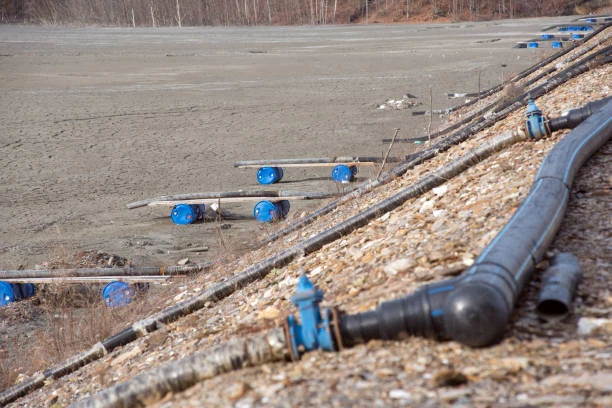
Plastic HDPE finds applications across many industries due to its corrosion-resistant properties. In the chemical industry, businesses rely on Plastic HDPE for tanks and pipes that must withstand exposure to harsh chemicals. For instance, Plastic HDPE is commonly used in pipelines that carry chemicals, as it does not degrade over time and requires minimal maintenance.
Municipal water treatment plants also utilize Plastic HDPE to ensure long-lasting, effective water treatment systems. The material’s resistance to corrosion guarantees that it can transport and store water, even when chemicals are involved in the treatment process. In addition, Plastic HDPE is resistant to saltwater corrosion, making it an ideal choice for marine applications, including seawater intake pipes and fish farming infrastructure.
In agriculture, Plastic HDPE serves as an essential component of irrigation systems. The material can carry fertilizers and pesticides safely without degradation, even in harsh soil and environmental conditions.
Enhancing Plastic HDPE’s Corrosion Resistance
While Plastic HDPE already demonstrates strong resistance to corrosion, manufacturers have found ways to improve its performance further. The addition of stabilizers such as antioxidants, UV inhibitors, and carbon black can enhance the material’s resistance to degradation. These additives provide extra protection against UV radiation, heat, and oxidation, making the material even more durable in exposed environments.
Cross-linking technology, such as the creation of PEX-HDPE, provides even greater heat resistance and superior chemical stability. As industries demand higher levels of performance, these innovations ensure that Plastic HDPE meets the most rigorous standards.
Kesimpulan
Plastic HDPE stands out as a highly corrosion-resistant material with many industrial applications. Its resistance to acids, alkalis, solvents, and oxidizing agents makes it a reliable choice for numerous industries, from chemical storage to marine applications. Its durability in both low and high-temperature conditions further enhances its appeal.
In comparison to metals like steel or stainless steel, Plastic HDPE offers superior corrosion resistance at a lower cost, while also requiring less maintenance. As advancements in material science continue, Plastic HDPE’s performance will likely improve, allowing it to meet the demands of even more challenging environments.
Plastic HDPE will remain a trusted and cost-effective solution for industries requiring materials that resist harsh chemicals, moisture, and extreme temperatures.
Standar internasional IFAN
Produk HDPE IFAN mematuhi berbagai standar internasional, yang menjamin kualitas, daya tahan, dan keandalan. Standar-standar ini meliputi ASTM D3035 dan ASTM D3350, yang menetapkan spesifikasi untuk pipa dan material polietilena (PE). Seri ISO 4427 dan EN 12201 menetapkan tolok ukur global untuk pipa PE yang digunakan dalam sistem penyediaan air. Selain itu, DIN 8074/8075 dan GB/T 13663 menetapkan persyaratan kinerja dan dimensi untuk pipa HDPE di pasar Eropa dan Tiongkok. Standar lain yang diakui, seperti AS/NZS 4130 (Australia/Selandia Baru), JIS K6760 (Jepang), BS 6572 (Inggris), dan CSA B137.1 (Kanada), semakin menunjukkan komitmen IFAN untuk memenuhi peraturan industri di seluruh dunia.
Kontak
IFAN adalah produsen profesional dengan pengalaman 30 tahun, yang berdedikasi untuk memproduksi pipa, fitting, dan katup plastik berkualitas tinggi. Produk kami meliputi katup kuningan, katup PPR, serta berbagai pipa dan fitting untuk memenuhi berbagai kebutuhan pelanggan. Baik Anda memerlukan pipa ledeng dan drainase atau produk katup, IFAN dapat menyediakan berbagai macam produk berkualitas tinggi dan hemat biaya untuk mendukung proyek Anda. Berikut adalah informasi kontak kami.
Kami akan membalas email atau faks Anda dalam waktu 24 jam.
Anda dapat menghubungi kami kapan saja jika ada pertanyaan tentang produksi kami.
Untuk informasi lebih lanjut, silakan kunjungi situs web kami https://www.ifanplus.com/
Silakan Kirim Email ke: [email protected]
Telepon Whatsapp: + 86 19857948982























