


Perkenalan
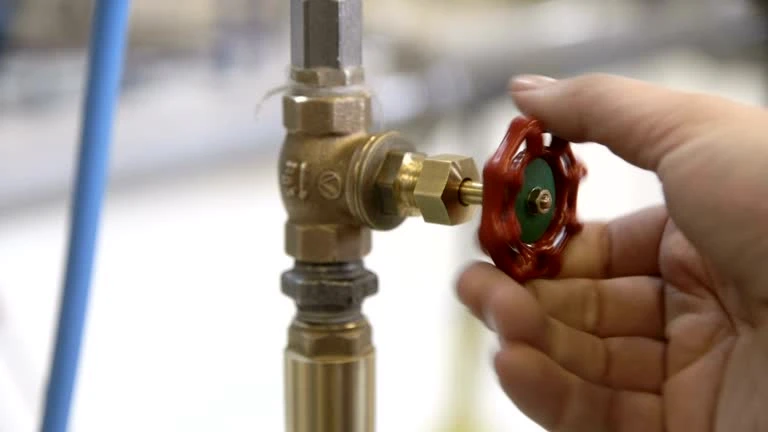
Copper ball valves play a crucial role in many industries due to their durability and efficiency. They regulate fluid flow with a simple turning mechanism, ensuring smooth operation. Many applications expose these valves to harsh chemicals, making corrosion resistance essential. Copper ball valves exhibit strong resistance against acids and alkalis, making them a preferred choice for chemical processing, water treatment, and industrial systems.
Copper’s Chemical Properties
Copper provides excellent resistance to many corrosive substances due to its stable molecular structure. It does not easily react with weak acids and alkalis, which enhances its longevity in plumbing and industrial systems. When exposed to air and moisture, copper develops a protective oxide layer, which further strengthens its resistance to corrosion.
Various copper alloys, such as brass and bronze, offer additional benefits. These alloys improve hardness, tensile strength, and corrosion resistance, making them suitable for aggressive environments. Copper’s ability to resist oxidation and chemical degradation makes it a reliable choice for ball valve manufacturing.
Performance in Acidic Environments
Copper ball valves withstand exposure to mild acids, such as carbonic acid and citric acid, without significant deterioration. Many water supply systems contain acidic components, yet copper valves function efficiently without leaks or material breakdown.
Stronger acids, such as sulfuric acid or hydrochloric acid, require careful material selection. Pure copper may corrode over time, but alloys like bronze or nickel-plated copper improve acid resistance. Engineers often choose specialized coatings or protective linings to enhance durability in extreme conditions.
Laboratory tests confirm copper’s ability to withstand acidic solutions with pH levels above 4. In contrast, stronger acids with lower pH values necessitate additional protective measures. Proper material selection ensures long-term reliability in acidic environments.
Resistance to Alkaline Substances
Copper ball valves maintain structural integrity when exposed to mild and moderate alkaline substances. Alkaline solutions, such as those found in water treatment plants, do not significantly impact copper’s performance. Copper develops a stable patina when exposed to alkaline environments, further protecting the material from degradation.
Strong alkalis, such as sodium hydroxide, may cause surface etching over prolonged exposure. Engineers mitigate this issue by using brass or nickel-coated copper to enhance durability. Many industrial applications require valves to handle alkaline cleaning agents or wastewater, making corrosion-resistant materials essential.
The pH range between 7 and 10 presents minimal risk to copper ball valves. In environments with higher alkalinity, proper material selection and protective coatings ensure optimal performance.
Applications in Chemical Processing
Chemical plants rely on corrosion-resistant materials for handling aggressive substances. Copper ball valves function efficiently in environments containing weak acids, mild alkalis, and neutral solutions. Many industries use these valves for controlling fluid flow in pipelines exposed to chemical reactions.
Manufacturers produce copper ball valves with specialized coatings to withstand extreme conditions. Nickel-plated copper or internally coated valve surfaces enhance longevity in aggressive chemical environments. These protective measures reduce maintenance costs and extend operational life.
Many chemical processes involve temperature fluctuations and pressure variations. Copper’s thermal stability allows it to maintain performance under fluctuating conditions, making it a reliable choice for chemical handling applications.
Water Treatment and Plumbing Systems
Copper ball valves provide excellent performance in water supply and wastewater treatment systems. Municipal water contains various dissolved minerals and chemical treatments, but copper resists corrosion effectively.
Alkaline water conditions, often caused by high calcium or magnesium content, do not degrade copper ball valves. The formation of a thin oxide layer protects the metal from further reactions. Copper’s natural antibacterial properties also contribute to cleaner water distribution systems.
Many plumbing systems utilize copper ball valves due to their longevity and resistance to chemical degradation. These valves offer a secure sealing mechanism, preventing leaks and ensuring efficient fluid regulation.
Industrial and Marine Applications
Industrial operations require valves capable of withstanding harsh chemicals, high temperatures, and pressure variations. Copper ball valves deliver reliable performance in industrial fluid control systems, including those handling acids, alkalis, and steam.
Marine environments expose metal components to saltwater and alkaline substances. Copper’s corrosion resistance makes it a preferred material for shipbuilding, desalination plants, and offshore installations. Copper alloys, such as naval brass, provide enhanced durability in aggressive marine conditions.
Industrial cooling systems also rely on copper ball valves to regulate water flow and temperature. These systems often contain alkaline inhibitors to prevent scale formation, and copper’s resistance ensures reliable long-term operation.
Pemeliharaan dan Umur Panjang
Proper maintenance extends the lifespan of copper ball valves in corrosive environments. Regular inspections ensure that protective coatings remain intact and free from damage. Cleaning with non-corrosive agents removes deposits that may accelerate degradation.
Manufacturers design copper ball valves for long-term performance, reducing the need for frequent replacements. Proper installation, combined with routine maintenance, enhances reliability and efficiency in demanding applications.
Kesimpulan
Copper ball valves offer excellent resistance to acids and alkalis, making them ideal for chemical processing, water treatment, and industrial applications. Their durability, thermal stability, and corrosion resistance ensure reliable performance in harsh environments. Proper material selection, coatings, and maintenance further enhance their longevity, reducing operational costs and improving efficiency.
Standar internasional IFAN
Produk HDPE IFAN mematuhi berbagai standar internasional, yang menjamin kualitas, daya tahan, dan keandalan. Standar-standar ini meliputi ASTM D3035 dan ASTM D3350, yang menetapkan spesifikasi untuk pipa dan material polietilena (PE). Seri ISO 4427 dan EN 12201 menetapkan tolok ukur global untuk pipa PE yang digunakan dalam sistem penyediaan air. Selain itu, DIN 8074/8075 dan GB/T 13663 menetapkan persyaratan kinerja dan dimensi untuk pipa HDPE di pasar Eropa dan Tiongkok. Standar lain yang diakui, seperti AS/NZS 4130 (Australia/Selandia Baru), JIS K6760 (Jepang), BS 6572 (Inggris), dan CSA B137.1 (Kanada), semakin menunjukkan komitmen IFAN untuk memenuhi peraturan industri di seluruh dunia.
Kontak
IFAN adalah produsen profesional dengan pengalaman 30 tahun, yang berdedikasi untuk memproduksi pipa, fitting, dan katup plastik berkualitas tinggi. Produk kami meliputi katup kuningan, katup PPR, serta berbagai pipa dan fitting untuk memenuhi berbagai kebutuhan pelanggan. Baik Anda memerlukan pipa ledeng dan drainase atau produk katup, IFAN dapat menyediakan berbagai macam produk berkualitas tinggi dan hemat biaya untuk mendukung proyek Anda. Berikut adalah informasi kontak kami.
Kami akan membalas email atau faks Anda dalam waktu 24 jam.
Anda dapat menghubungi kami kapan saja jika ada pertanyaan tentang produksi kami.
Untuk informasi lebih lanjut, silakan kunjungi situs web kami https://www.ifanplus.com/
Silakan Kirim Email ke: [email protected]
Telepon Whatsapp: + 86 19857948982























