


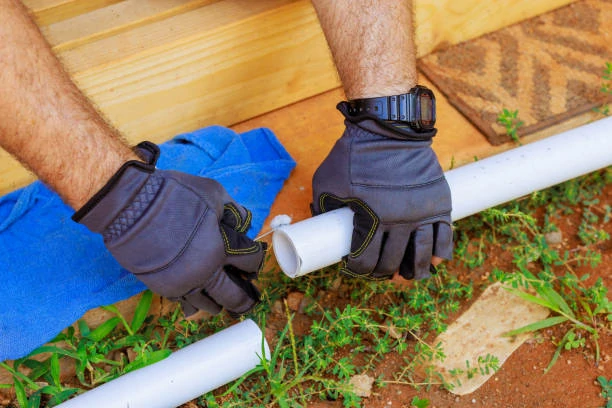
Selecting the right PVC tubing for a specific application requires careful consideration of various factors. PVC (Polyvinyl Chloride) tubing offers versatility, durability, and cost-effectiveness, making it a popular choice across many industries, including plumbing, agriculture, healthcare, and manufacturing. However, the wide range of available options can make the selection process challenging. By understanding the key factors and specifications, one can choose the most suitable PVC tubing for any given project.
Understanding the Application Requirements
The first step in choosing the right PVC tubing involves understanding the specific requirements of the application. Different applications demand different properties, such as flexibility, chemical resistance, temperature tolerance, and pressure capacity. For instance, medical applications may require tubing that meets strict regulatory standards for biocompatibility and hygiene, while industrial applications might prioritize chemical resistance and durability.
Start by identifying the fluid or gas that the tubing will carry. Consider factors like the temperature range, pressure levels, and potential exposure to chemicals. These elements influence the material formulation, wall thickness, and construction of the tubing. For example, PVC tubing used in a hot water system should withstand high temperatures without deforming, while tubing used in chemical transport should resist corrosion and chemical degradation.
Choosing the Right Type of PVC Tubing
PVC tubing comes in various types, each designed to meet specific needs. Understanding these types helps in selecting the right tubing for the job.
- Standard PVC Tubing: This type suits general-purpose applications, such as water transport, light industrial use, and low-pressure air lines. It offers good flexibility, clarity, and resistance to chemicals and abrasion.
- Tabung PVC Fleksibel: Designed for applications requiring more flexibility, this tubing can bend and conform to various shapes without kinking. It works well in situations where the tubing must navigate tight spaces or make sharp turns, such as in laboratory setups or complex plumbing systems.
- Reinforced PVC Tubing: Reinforced with polyester fibers or other materials, this tubing can handle higher pressures and temperatures. It finds use in industrial settings, where strength and durability are paramount. Reinforced PVC tubing can also withstand vacuum applications and offers excellent resistance to kinks and abrasions.
- Clear PVC Tubing: Clarity is essential in applications requiring visual monitoring of fluid flow, such as in food and beverage processing, aquariums, or laboratory experiments. Clear PVC tubing provides transparency while maintaining the standard properties of PVC, such as flexibility and chemical resistance.
- Braided PVC Tubing: Similar to reinforced PVC tubing but with a braided reinforcement layer, this tubing handles even higher pressures. It is commonly used in high-pressure air or water lines, pneumatic systems, and some hydraulic applications.
- UV-Resistant PVC Tubing: UV-resistant tubing is designed for outdoor use, where exposure to sunlight could degrade standard PVC. This tubing incorporates additives that protect against UV radiation, making it suitable for irrigation systems, outdoor plumbing, and other exterior applications.
- Medical-Grade PVC Tubing: In healthcare, medical-grade PVC tubing meets strict standards for safety and hygiene. This tubing is free from phthalates and other harmful chemicals, ensuring compatibility with medical devices, fluid transport, and patient care applications.
Considering the Environmental Conditions
Environmental factors play a significant role in the performance of PVC tubing. Temperature, UV exposure, and environmental stressors can affect the tubing’s longevity and reliability.
- Suhu: PVC tubing should match the temperature range of the intended application. For high-temperature environments, choose tubing designed to withstand elevated temperatures without softening or deforming. In low-temperature conditions, consider tubing that remains flexible and does not become brittle.
- Paparan UV: For outdoor applications, UV-resistant tubing provides better durability. Standard PVC tubing can degrade when exposed to sunlight over time, leading to cracks and leaks. UV-resistant options incorporate stabilizers that protect the material from sun damage.
- Paparan Bahan Kimia: In environments where the tubing may come into contact with harsh chemicals, select tubing with high chemical resistance. This prevents deterioration and ensures a longer service life. Clear PVC tubing may also work for chemical transport, but verify compatibility with the specific chemicals involved.
- Abrasion and Impact: In industrial or heavy-duty applications, where the piping may encounter physical wear, reinforced or braided PVC piping offers enhanced durability. These options resist abrasions and impacts, reducing the likelihood of damage during use.
Sizing the Tubing Correctly
Proper sizing ensures optimal performance and safety. When selecting PVC tubing, consider both the inner diameter (ID) and outer diameter (OD). The inner diameter determines the flow capacity, while the outer diameter influences compatibility with fittings and connections.
- Inner Diameter (ID): The inner diameter should match the required flow rate for the application. A larger diameter allows for higher flow rates, but may reduce pressure. For precise flow control, select a diameter that balances flow rate with pressure requirements.
- Outer Diameter (OD): The outer diameter affects the tubing’s fit with connectors, clamps, and other components. Ensure that the outer diameter matches the specifications of any fittings used in the system to prevent leaks and ensure a secure connection.
- Ketebalan Dinding: The wall thickness of the tubing contributes to its pressure rating. Thicker walls offer higher pressure tolerance but may reduce flexibility. Choose a wall thickness that aligns with the pressure demands of the application.
Evaluating Certifications and Compliance
Certifications and compliance with industry standards provide assurance of quality and safety. When selecting PVC tubing, look for products that meet relevant standards, such as NSF/ANSI for potable water systems, FDA compliance for food and beverage applications, or ISO certifications for industrial use. Certified tubing ensures that the material has undergone rigorous testing and meets the specific requirements for its intended application.
Assessing Cost and Availability
While cost should not be the sole deciding factor, it plays a role in the selection process. Consider the total cost of ownership, which includes not only the initial purchase price but also installation, maintenance, and potential replacement costs. High-quality tubing may have a higher upfront cost but can offer better long-term value due to its durability and performance. Additionally, consider the availability of the tubing, especially for large projects or ongoing maintenance needs. Reliable supply chains and readily available stock can prevent delays and ensure timely project completion.
Standar Internasional IFAN untuk Pipa PVC
Produk PVC IFAN mematuhi berbagai standar internasional, yang memastikan produk tersebut memenuhi kriteria kualitas dan kinerja tertinggi. Standar-standar ini meliputi BS 3505, BS 4346, ASTM D1785 SCH40, ASTM D1785 SCH80, DIN, GB, DWV, ASTM D2665, ASTM D2241, ASTM D2665, ASTM D2729, ASTM F441/F441M, seri ISO 1452, EN ISO 1452, DIN 8061/8062, seri GB/T 10002, AS/NZS 1477, JIS K6741, CSA B137.3, NSF/ANSI 14, dan TIS 17-2532/1131-2535. Kepatuhan terhadap standar ini memastikan bahwa pipa dan sambungan PVC IFAN memberikan kinerja, keamanan, dan keandalan yang konsisten dalam berbagai aplikasi di seluruh dunia.
Kesimpulan
Choosing the right PVC tubing involves a thorough understanding of the application requirements, environmental conditions, and material specifications. By evaluating these factors, one can select tubing that meets the specific needs of the project, ensuring optimal performance, safety, and longevity. Whether for plumbing, industrial, medical, or outdoor applications, the right PVC tubing provides a reliable and cost-effective solution, contributing to the success and efficiency of the overall system.
Kontak
JIKA adalah produsen profesional dengan pengalaman 30 tahun, yang didedikasikan untuk memproduksi pipa, fitting, dan katup plastik berkualitas tinggi. Produk kami meliputi katup kuningan, katup PPR, serta berbagai pipa dan fitting untuk memenuhi berbagai kebutuhan pelanggan. Baik Anda membutuhkan pipa ledeng dan drainase atau produk katup, JIKA dapat menyediakan berbagai macam produk berkualitas tinggi dan hemat biaya untuk mendukung proyek Anda. Berikut adalah informasi kontak kami.
Kami akan membalas email atau faks Anda dalam waktu 24 jam.
Anda dapat menghubungi kami kapan saja jika ada pertanyaan tentang produksi kami.
Untuk informasi lebih lanjut, silakan kunjungi situs web kami https://www.ifanplus.com/
Silakan Kirim Email ke: [email protected]
Telepon Whatsapp: + 86 19857948982























