


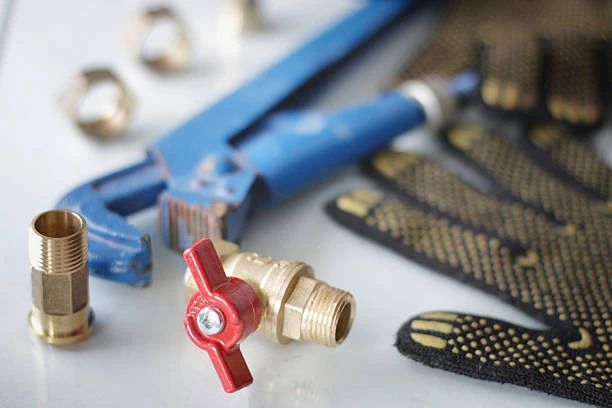
Katup air kuningan play a key role in maintaining clean and safe water supplies in homes, industries, and public infrastructure. These valves control water flow while ensuring hygiene, making them essential components in any water system. Brass, a material composed primarily of copper and zinc, possesses unique properties that support water safety and prevent contamination. This article explores the hygienic aspects of them, emphasizing their role in delivering clean and safe water in various applications.
Antimicrobial Properties of Brass
They protect water systems from microbial contamination due to their natural antimicrobial properties. Copper ions in brass actively disrupt bacteria, viruses, and other microorganisms, preventing their growth and spread. These ions penetrate the cell membranes of microbes, disrupting their essential functions and eliminating them effectively.
Water systems face the constant risk of microbial growth, especially in stagnant or low-flow conditions. Brass valves address this issue by reducing bacterial presence, including harmful strains such as E. coli Dan Legionella. This antimicrobial action ensures that water remains clean and safe throughout the system, even in challenging environments.
Corrosion Resistance Preserves Water Quality
Brass resists corrosion, which helps maintain water quality over time. Unlike materials such as iron or steel, brass does not rust or degrade when exposed to water or moisture. This property ensures that water flowing through brass valves stays free from rust particles and other contaminants that can compromise its safety.
Corroded materials often release harmful substances into the water, leading to discoloration, unpleasant tastes, or potential health risks. Brass valves avoid these problems, ensuring clean water in systems for drinking, cooking, and other critical uses.
Modern Brass Formulations Ensure Safety
Manufacturers now use lead-free or low-lead brass in water valves to meet strict health and safety regulations. These formulations eliminate the risks associated with lead contamination, ensuring that water systems meet global standards for safe drinking water.
Low-lead brass water valves comply with regulations such as the U.S. Safe Drinking Water Act and European Union standards. These valves contribute to safer water supplies in residential, commercial, and industrial systems by preventing lead leaching.
Non-Toxicity of Brass Supports Hygiene
Brass, as a material, ensures hygiene by not releasing toxic substances into the water supply. Unlike some plastics that leach harmful chemicals like bisphenol A (BPA) or phthalates, brass remains chemically stable and inert.
This non-toxicity makes them suitable for applications involving potable water. People can rely on these valves for delivering water free from chemical contamination, ensuring health and safety in daily life.
Smooth Internal Surfaces Prevent Buildup
They feature smooth internal surfaces that reduce the risk of debris accumulation and microbial growth. These surfaces prevent biofilm formation, which can harbor harmful pathogens and compromise water quality.
The smooth design of brass valves promotes efficient water flow, reducing stagnation and the conditions that encourage bacteria to thrive. Water systems benefit from this feature, as it ensures consistent cleanliness and flow throughout the network.
Durability Supports Long-Term Hygiene
They maintain hygiene over long periods due to their durability. These valves withstand mechanical stress, temperature fluctuations, and constant exposure to water without degrading. This long-lasting performance ensures that water systems remain reliable and free from contamination.
Frequent replacements or repairs can introduce contamination risks to water systems. Brass valves minimize these risks by providing long-term reliability and maintaining their hygienic properties over decades of use.
Applications of Brass Water Valves in Hygienic Systems
They enhance hygiene and safety in various water systems. Their versatility and effectiveness make them indispensable in the following applications:
- Sistem Perpipaan Rumah Tangga
Brass water valves ensure clean water flow in kitchens, bathrooms, and outdoor faucets. These valves protect household water supplies from contamination and maintain safe drinking water quality. - Sistem Air Kota
Cities and towns rely on brass valves to deliver clean water to residents. These valves prevent microbial growth and contamination during water treatment and distribution, ensuring public health and safety. - Pengolahan Makanan dan Minuman
The food industry uses them to maintain hygiene in cleaning processes and production lines. These valves ensure that water remains uncontaminated when used in food preparation and sanitation. - Fasilitas Kesehatan
Hospitals and clinics rely on them to maintain clean supplies for medical procedures, equipment sterilization, and patient care. These valves help prevent waterborne infections in critical healthcare environments. - Sistem Irigasi
Farmers and gardeners use brass water valves to deliver clean water for irrigation. These valves protect crops and soil from harmful contaminants, ensuring safe agricultural practices. - Pharmaceutical Manufacturing
Pharmaceutical facilities use brass valves in water systems to meet strict hygiene standards. These valves ensure clean water for medicine production and laboratory operations.
Advantages of Brass Valves for Water Hygiene
- Maintaining Clean Water: Brass valves prevent contamination by resisting corrosion, microbial growth, and leaching of harmful substances.
- Daya tahan: Long-lasting brass valves ensure reliable water flow without frequent replacements, reducing potential contamination risks.
- Kepatuhan terhadap Standar: Brass valves meet global safety standards for potable water systems, ensuring health and regulatory compliance.
- Keserbagunaan: Brass valves work effectively in residential, commercial, and industrial systems, addressing diverse hygiene needs.
Brass Valves vs. Alternative Materials
- Brass vs. Plastic: Brass outperforms plastic by resisting microbial growth and chemical leaching. Plastic valves may release harmful substances and harbor bacteria over time.
- Brass vs. Steel: Steel valves corrode more easily, compromising water quality. Brass resists corrosion and maintains hygiene in water systems.
- Brass vs. Bronze: Both brass and bronze resist corrosion and support hygiene, but brass offers better machinability and cost-effectiveness.
Brass Valves and Sustainable Hygiene
At the end of their life cycle, brass valves can undergo recycling to create new products, reducing waste and conserving resources.
This sustainability complements the hygienic properties of brass valves, making them a responsible choice for modern water systems.
Global Standards for Hygienic Brass Valves
They meet international standards that ensure their safety and suitability for hygienic applications.
- NSF/ANSI 61 certifies that brass valves remain safe for drinking water systems by preventing harmful substance leaching.
- Safe Drinking Water Act requires lead-free brass formulations to protect public health in the United States.
- WRAS Approval confirms that brass valves comply with water safety regulations in the United Kingdom.
These certifications highlight the trustworthiness of them in maintaining hygiene and water quality worldwide.
Brass Valves in the Future of Water Hygiene
As water quality concerns grow globally, they will continue supporting hygiene in critical systems. Advances in brass formulations and valve technology will enhance their effectiveness in combating contamination and ensuring clean water access.
Cities, industries, and households can rely on brass valves to protect water systems and promote health and safety for generations to come.
Kesimpulan
They ensure hygiene and safety in water systems through their antimicrobial properties, corrosion resistance, non-toxicity, and durability. These valves maintain clean water flow in diverse applications, from residential plumbing to industrial processes.
Their ability to meet global safety standards, combined with their long-term reliability, makes them essential for water hygiene. As the world focuses on providing clean and safe water,they offer a practical and effective solution for maintaining water quality and protecting public health.
Standar internasional IFAN
Produk IFAN mematuhi berbagai standar internasional, yang menjamin kualitas, keandalan, dan kesesuaiannya untuk berbagai aplikasi di seluruh dunia. Standar-standar ini mencakup ASTM D3035, ASTM D3350, standar Seri ISO 4427, standar Seri EN 12201, DIN 8074/8075, standar Seri GB/T 13663, AS/NZS 4130, JIS K6760, BS 6572, dan CSA B137.1, dan lain-lain. Kepatuhan terhadap standar-standar ini menjamin bahwa produk IFAN memenuhi persyaratan ketat untuk keselamatan, kinerja, dan daya tahan di berbagai industri dan pasar.
Kontak
IFAN adalah produsen profesional dengan pengalaman 30 tahun, yang berdedikasi untuk memproduksi pipa, fitting, dan katup plastik berkualitas tinggi. Produk kami meliputi katup kuningan, katup PPR, serta berbagai pipa dan fitting untuk memenuhi berbagai kebutuhan pelanggan. Baik Anda memerlukan pipa ledeng dan drainase atau produk katup, IFAN dapat menyediakan berbagai macam produk berkualitas tinggi dan hemat biaya untuk mendukung proyek Anda. Berikut adalah informasi kontak kami.
Kami akan membalas email atau faks Anda dalam waktu 24 jam.
Anda dapat menghubungi kami kapan saja jika ada pertanyaan tentang produksi kami.
Untuk informasi lebih lanjut, silakan kunjungi situs web kami https://www.ifanplus.com/
Silakan Kirim Email ke: [email protected]
Telepon Whatsapp: + 86 19857948982























