


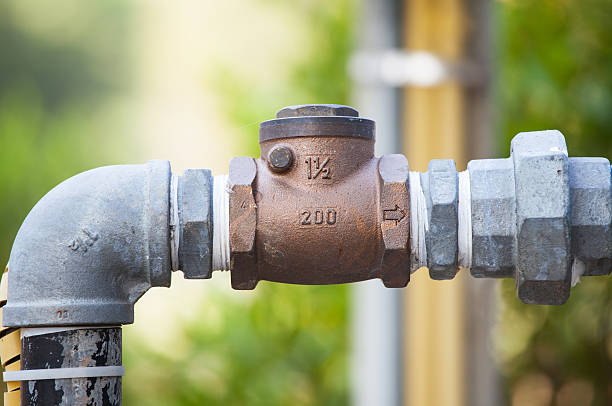
In plumbing systems, preventing contamination is a top priority. One of the most effective solutions for avoiding backflow is the use of a Katup Kuningan. This compact but highly functional valve plays a critical role in ensuring that water or other fluids move in only one direction. Its application is widespread, ranging from household plumbing to industrial fluid systems. Choosing the right 1/2 check valve ensures better safety, higher efficiency, and long-lasting performance. This article explores the features, uses, and benefits of 1/2 check valves and offers a practical guide for selecting the ideal one for your needs.
A 1/2 check valve is a simple mechanical device designed to block reverse flow. Its main purpose is to protect clean water supplies and prevent contamination. Because of its compact size, it fits well into smaller pipelines or tight spaces, making it suitable for a variety of residential and commercial uses. Its structure usually includes an internal disc, ball, or spring that automatically allows flow in one direction and seals shut when the flow reverses. This makes it a reliable tool for maintaining fluid control.
Check valves are often overlooked, but they serve vital functions in systems that operate under pressure differences or fluctuating flow conditions. Without a proper valve, reverse flow could damage pumps, introduce pollutants, or even violate plumbing codes. Therefore, a 1/2 check valve becomes an essential component for safety and compliance.
Pertanyaan yang Sering Diajukan (FAQ)
What is a 1/2 check valve?
A 1/2 check valve is a type of valve that permits fluid to flow in only one direction, preventing any backflow. The “1/2” refers to its pipe diameter, typically half an inch.
Why is preventing backflow important?
Backflow can introduce contaminants into clean water systems. This poses health risks and may lead to violations of plumbing regulations.
Where is a 1/2 check valve used?
This valve is commonly installed in household plumbing, HVAC systems, irrigation lines, and small-scale industrial piping.
How does a 1/2 check valve work?
When fluid moves in the intended direction, the valve opens automatically. If flow reverses, the valve closes, blocking any return.
How should I choose the right valve?
You should consider material, connection type, certifications, pressure rating, and compatibility with your system’s design.
Understanding the 1/2 Check Valve and Its Characteristics
A 1/2 check valve is built to control fluid movement by permitting flow in one direction while preventing reverse movement. Its basic structure includes an internal mechanism such as a swinging disc, spring-loaded plunger, or ball. The internal part responds to the pressure of flowing fluid, opening or closing automatically based on direction.
These valves do not require manual activation. Once installed, they operate on pressure differentials. This simple design means they have fewer moving parts than other valve types, which leads to less maintenance.
Another benefit is their compact size. With a 1/2-inch connection, these valves are perfect for confined spaces where larger valves might not fit. At the same time, they can still manage moderate flow and pressure, making them versatile for various plumbing systems.
Aplikasi dan Industri Umum
The 1/2 check valve is used across several industries and residential applications. Its purpose remains the same in each case—to prevent reverse flow and maintain consistent direction in fluid systems.
In residential plumbing, these valves are installed on water heaters, dishwasher connections, and washing machine hoses. They prevent dirty water from flowing back into clean supply lines.
In irrigation systems, especially those using fertilizers or chemical treatments, the valve ensures that treated water doesn’t return to the main supply. This protects crops, soil, and public water systems from contamination.
In HVAC systems, check valves manage condensate drainage and refrigerant flows. They help maintain optimal pressure and prevent system damage.
In industrial equipment, they play a role in chemical transfer systems, oil pipelines, and water processing lines. These systems rely on valves to protect sensitive machinery and maintain correct flow patterns.
Aquariums, fish tanks, and water fountains also benefit from 1/2 check valves. In case of power failure, these valves prevent siphoning or back-draining of water that could harm aquatic life.
Buying Guide: How to Select the Right 1/2 Check Valve
Several factors determine which 1/2 check valve will work best for your application. Making the right choice improves system performance and extends the valve’s service life.
First, consider the material. For water supply systems, brass is a popular option due to its corrosion resistance and long-term reliability. Stainless steel is ideal for industrial or corrosive environments. PVC or CPVC valves are often used in irrigation or light-duty systems due to their lightweight and chemical-resistant properties.
Next, look at the connection type. Threaded connections are standard in residential plumbing, while socket or compression types may suit industrial or plastic piping systems. Ensure the valve’s ends match the pipe type and diameter.
Color and finish are more than just aesthetic choices. In many cases, color coding helps identify material types. For example, gray or white often signals PVC, while a golden-yellow tone indicates brass.
Certifications are another important factor. For potable water use, look for NSF or ANSI markings that confirm compliance with safety standards. ISO certifications indicate quality control in the manufacturing process. In North America, CSA and UPC marks also signal approved plumbing components.
Also, check the pressure and temperature ratings. Your valve must match the system’s operational conditions. Using a valve rated below your system’s pressure may lead to leaks or failure.
Finally, confirm the internal mechanism type. Some check valves use spring-loaded designs for vertical installations, while others use swing designs better suited for horizontal piping. Match the valve orientation with your layout.
The Role of the 1/2 Check Valve in Preventing Backflow
The primary function of a 1/2 check valve is to stop reverse flow. In plumbing systems, water should move in a controlled, single direction. However, changes in pressure or elevation can cause it to flow backward. This creates risks of contamination, especially in systems where clean and waste fluids are separated only by valves.
By closing automatically when flow reverses, a check valve ensures the integrity of the clean water supply. For example, during a drop in water pressure caused by main line repairs, water in the building may try to flow backward. If that water contains contaminants, it could reach public lines and cause widespread issues.
A 1/2 check valve eliminates this problem. Because it operates automatically, no human intervention is required. Once installed, it provides ongoing protection against contamination and pressure imbalances.
This function is so vital that plumbing codes in many regions require check valves in certain installations, especially those involving water heaters, irrigation systems, or booster pumps.
1/2 Check Valve vs. Other Valve Types and Pipe Fittings
Choosing between a 1/2 check valve and other fittings depends on your system’s needs. The following table compares key differences.
| Fitur | 1/2 Check Valve | Katup Bola | Katup Gerbang | Pressure Relief Valve |
|---|---|---|---|---|
| Flow Direction | Hanya satu arah | Bidirectional | Bidirectional | One-way (outward only) |
| Control Method | Otomatis | Buku petunjuk | Buku petunjuk | Pressure-activated |
| Main Function | Prevents backflow | Starts/stops flow | Opens/closes flow path | Releases excess pressure |
| Kebutuhan Pemeliharaan | Rendah | Sedang | Tinggi | Sedang |
| Aplikasi Umum | Backflow protection | Flow control | Isolation valves | Pressure safety systems |
| Ideal for Small Pipes | Ya | Kadang-kadang | Jarang | Kadang-kadang |
This comparison highlights that while other valves serve different purposes, none offer the specific one-way flow control of a check valve. For any system where backflow presents a risk, the 1/2 check valve remains the best option.
Kesimpulan
The 1/2 check valve is a small but powerful tool in modern plumbing and fluid systems. Its ability to allow flow in only one direction makes it essential for preventing contamination, protecting equipment, and maintaining system performance. Whether in residential water lines, industrial systems, or irrigation networks, it offers reliability and peace of mind.
Selecting the right valve involves considering material, pressure rating, certification, and system compatibility. Once installed, the valve functions automatically and requires little maintenance, providing long-term protection.
When you need a reliable and cost-effective solution for backflow prevention, the 1/2 check valve is the clear choice. It’s an investment in safety, compliance, and efficiency—making it a key component in any well-designed plumbing system.
Hubungi IFAN untuk Katalog dan Sampel
Butuh dokumen teknis, katalog, atau contoh produk? Hubungi IFAN hari ini.
📧 Surel: [email protected]
📱 Whatsapp: +86 19857948982
Tim kami merespons dengan cepat dan menyediakan dukungan profesional untuk semua kebutuhan pipa Anda.
Standar internasional IFAN
Sistem perpipaan IFAN mematuhi berbagai standar internasional untuk memastikan kualitas dan kinerja yang tinggi. Standar ini mencakup ASTM F1974 dan ASTM F1281 untuk sistem perpipaan multilapis, CSA B137 untuk aplikasi perpipaan Kanada, DIN 16836 untuk spesifikasi teknis Jerman, GB18997 untuk standar Cina, dan ISO 21003, yang mencakup sistem perpipaan multilapis yang digunakan untuk instalasi air panas dan dingin. Cakupan sertifikasi yang luas ini menyoroti komitmen IFAN terhadap kepatuhan global dan keandalan produk.























