32mm ppr pipe

Installation Methods and Precautions for PPR Tube

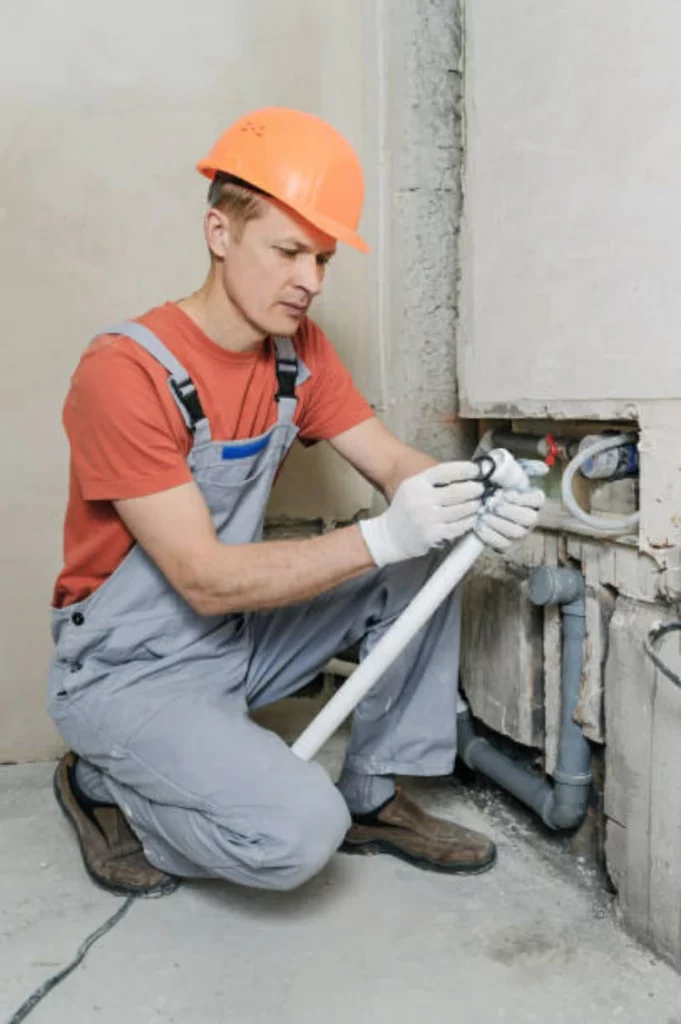
Installing PPR (Polypropylene Random Copolymer) tube requires careful planning and adherence to proper techniques to ensure optimal performance and longevity of the piping system. Below, we outline the methods and precautions for the installation of PPR tube. 1. Preparation and Planning Site Inspection: Before installation, conduct a thorough inspection of the site to identify the […]

Installation Methods and Precautions for PPR Tube En savoir plus "
Pipeline PPR : comprendre les processus de production

The production process of PPR pipeline plays a crucial role in ensuring the quality and performance of these versatile piping systems. Understanding the manufacturing process of PPR pipelines provides insights into their reliability and suitability for various applications. Raw Material Selection PPR pipelines mainly consist of polypropylene random copolymer (PPR), a thermoplastic polymer selected for

Pipeline PPR : comprendre les processus de production En savoir plus "

Avantages et inconvénients du pipeline PPR : un aperçu complet

PPR pipeline is widely used for fluid conveyance in various applications, offering several advantages and some limitations. In this article, we’ll explore the strengths and weaknesses of PPR pipes to provide a comprehensive understanding of its suitability for different projects. Advantages of PPR Pipeline Exceptional Corrosion Resistance: PPR pipeline is highly resistant to corrosion, making

Avantages et inconvénients du pipeline PPR : un aperçu complet En savoir plus "

Unveiling the Material Characteristics and Physical Performance of PPR Pipes

PPR pipes, known for their outstanding material properties and physical performance, are widely used in various plumbing applications. Let’s delve into the unique characteristics and performance attributes that make PPR pipe stand out in the piping industry. 1. Superior Material Properties High-Quality Polypropylene Composition PPR pipes are crafted from high-quality Polypropylene Random Copolymer (PPR) resin,

Unveiling the Material Characteristics and Physical Performance of PPR Pipes En savoir plus "

The Environmental Performance of PPR Pipes: A Sustainable Choice

1. Eco-Friendly Material Composition Non-Toxic Components PPR pipes are manufactured from high-quality polypropylene random copolymer (PPR) resin, which is non-toxic and free from harmful chemicals such as lead and cadmium. This eco-friendly material ensures that PPR pipes do not leach toxic substances into the water supply, making them safe for use in potable water systems.

The Environmental Performance of PPR Pipes: A Sustainable Choice En savoir plus "

High-Temperature Resistance and Versatile Applications of PPR Pipes

1. Exceptional Heat Resistance Thermal Stability PPR pipes are renowned for their exceptional heat resistance, making them suitable for conveying hot water and fluids in various applications. The polypropylene random copolymer (PPR) material used in manufacturing PPR pipes can withstand high temperatures up to 95°C (203°F) for prolonged periods without compromising its structural integrity. This

High-Temperature Resistance and Versatile Applications of PPR Pipes En savoir plus "

Avantages des tuyaux PPR dans la construction moderne

Dans le paysage dynamique de la construction moderne, les tubes en copolymère aléatoire de polypropylène (PPR) se sont imposés comme un choix privilégié pour les systèmes de plomberie. Réputés pour leur polyvalence et leur fiabilité, les tubes PPR offrent de nombreux avantages qui les rendent indispensables aux projets de construction contemporains. Cet article explore les principaux atouts qui font des tubes PPR un élément clé du secteur de la construction.

Avantages des tuyaux PPR dans la construction moderne En savoir plus "

Scroll to Top
Nous prenons en charge les échantillons gratuits, veuillez nous contacter dès que possible !

IFAN depuis 1993, propose des raccords PPR, PEX, PVC, HDPE, laiton, vannes en laiton, robinets en laiton, etc.