


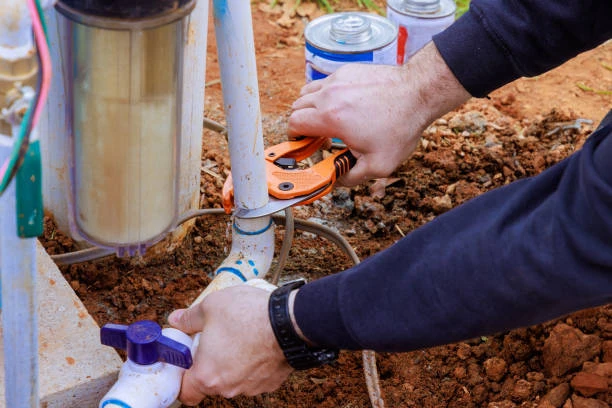
The weight of a coupe-tube en plastique plays a crucial role in its performance, usability, and overall appeal. Professionals and DIY enthusiasts alike value tools that balance lightweight design with durability and efficiency. A properly weighted cutter can enhance precision, reduce fatigue, and ensure easier handling in various environments. This article explores how the weight of plastic pipe cutters influences their functionality and how to choose the right cutter for specific needs.
1. Lightweight Design Improves Portability
Plastic pipe cutters often come in lightweight designs, making them easy to carry to different work locations. Workers frequently move from one job site to another, and heavy tools can become cumbersome. Lightweight cutters reduce this burden, allowing users to transport them conveniently. Additionally, their portability means users can pack them into toolboxes or bags without significantly increasing the load. This ease of transport makes lightweight cutters particularly attractive to plumbers and contractors who prioritize mobility.
2. Enhanced Control During Operation
A well-balanced plastic pipe cutter allows users to maintain better control during operation. Excessive weight can make precise cuts challenging, especially when working in tight spaces. Lightweight cutters eliminate this issue, enabling users to achieve accurate cuts with minimal effort. For instance, a cutter that weighs less allows smoother movements, especially when cutting smaller or thinner pipes. This level of control helps users avoid mistakes and achieve clean, professional results.
3. Reduced User Fatigue
Prolonged tool use can lead to hand and arm fatigue, particularly with heavy equipment. Lightweight plastic pipe cutters address this problem by reducing the strain on the user. Contractors who work on large-scale projects, where cutting pipes repeatedly is necessary, benefit significantly from using a lighter tool. Even for hobbyists, a lighter cutter makes completing home improvement projects more comfortable. By minimizing fatigue, users can work for extended periods without compromising performance or safety.
4. Durability Without Excess Weight
Many manufacturers focus on creating plastic pipe cutters that remain durable despite their lightweight design. Modern materials like reinforced plastics and high-grade alloys ensure the tool withstands wear and tear without becoming bulky. These advanced materials maintain structural integrity, even under heavy use, while keeping the cutter’s weight manageable. Users no longer have to sacrifice durability for a lighter tool, as innovative designs deliver both benefits.
5. Suitability for Overhead and Vertical Cuts
Certain projects require cutting pipes in vertical or overhead positions, which can become challenging with heavy tools. Lightweight plastic pipe cutters excel in such situations, allowing users to maintain stability and precision. For example, plumbers often work in confined spaces, such as under sinks or in ceilings, where maneuverability is critical. A lighter cutter reduces the effort needed to perform cuts in awkward angles or positions. This convenience enhances productivity and safety during complex tasks.
6. Weight Variations Cater to Different Users
The market offers plastic pipe cutters in various weight categories, ensuring options for every user. Lightweight cutters work well for small projects or occasional use, while slightly heavier models may suit professionals who need more robust tools. For instance, contractors who cut thicker pipes might prefer cutters with a bit more heft to improve cutting force. Meanwhile, DIY enthusiasts typically prioritize lightweight models for ease of use. By choosing a cutter that matches their needs, users optimize their experience and outcomes.
7. Improved Safety Through Lighter Tools
A lighter plastic pipe cutter often enhances safety, especially for inexperienced users. Heavy tools increase the risk of accidental slips or loss of control during operation. Lightweight cutters offer greater maneuverability, allowing users to maintain a firm grip and steady movements. This feature reduces the likelihood of injuries or damaged pipes. Furthermore, lighter tools allow users to focus on technique rather than compensating for excess weight, ensuring safer and more precise cuts.
8. Weight Influences Tool Compatibility
Weight also affects how well the plastic pipe cutter integrates with other tools or accessories. For example, when mounted on pipe holders or used alongside measuring tools, a lightweight cutter simplifies the process. Heavy cutters may shift or strain auxiliary equipment, reducing efficiency. Lightweight cutters complement other tools, enabling smoother workflows and consistent results. This compatibility enhances their appeal in professional and DIY applications.
9. Material Choice Impacts Weight
The materials used in constructing plastic pipe cutters directly influence their weight. Manufacturers often use lightweight materials like ABS plastic or aluminum for the cutter’s body, ensuring easy handling. These materials offer the dual benefit of durability and reduced weight, making the tool practical for long-term use. For instance, aluminum provides a sturdy yet lightweight alternative to steel, balancing strength and portability. Users should consider the cutter’s material when evaluating its weight and performance.
10. Lighter Tools for Extended Storage
Lightweight plastic pipe cutters prove advantageous during storage, especially in mobile toolkits or vehicles. Heavier tools increase the overall weight of the storage system, potentially causing wear on the carrying case or storage shelves. Lightweight cutters minimize this issue, ensuring easier handling and organization. For users who frequently transport their tools, lightweight options simplify storage and retrieval, enhancing overall convenience.
11. Cost Considerations Linked to Weight
The weight of a plastic pipe cutter can also influence its cost. Lightweight models, crafted from specialized materials, may cost slightly more due to the technology involved. However, their advantages often justify the investment, particularly for professionals who value portability and ease of use. By assessing their needs, users can determine whether the cost aligns with the benefits provided by the cutter’s weight.
12. User Preferences Vary Based on Weight
Individual preferences play a significant role in selecting a plastic pipe cutter based on weight. Some users prefer ultra-lightweight models for quick and simple tasks, while others favor moderate weight for added stability. The right choice depends on factors like cutting frequency, project size, and personal comfort. Experimenting with different weights allows users to find the ideal balance for their specific applications.
13. Weight Affects Tool Longevity
Lightweight plastic pipe cutters often experience less strain during use, which contributes to their longevity. Heavy tools may face increased wear over time, especially if mishandled. Lightweight models, designed for easy operation, reduce stress on components, ensuring reliable performance. Proper care and regular maintenance further extend the lifespan of these cutters, providing users with long-term value.
14. Ergonomic Benefits of Lightweight Cutters
Lightweight plastic pipe cutters offer significant ergonomic advantages. Their reduced weight aligns with natural hand movements, minimizing strain and promoting comfort. Users can maintain a steady grip without exerting excessive effort, leading to better precision. For tasks that require repetitive cutting, these ergonomic benefits make a noticeable difference in user experience.
15. Conclusion
The weight of a plastic pipe cutter significantly impacts its usability, safety, and performance. Lightweight designs enhance portability, reduce fatigue, and improve control, making them ideal for various applications. By choosing a cutter with the right weight and material, users can achieve optimal results while enjoying greater comfort and convenience. Whether for professional use or home improvement, the importance of weight in plastic pipe cutters cannot be overstated.
Norme internationale IFAN
Les produits IFAN sont conformes à un ensemble de normes internationalement reconnues, garantissant qualité et performance dans diverses applications. Il s'agit notamment des normes ISO 15874, qui définissent les spécifications des systèmes de tuyauterie en plastique ; des normes EN 15874, qui couvrent les exigences relatives aux tubes et raccords en polyéthylène (PE) dans les réseaux de distribution d'eau ; de la norme ASTM F2389, qui définit les normes pour les systèmes de tubes en polyéthylène réticulé (PEX) ; des normes DIN 8077/8078, qui traitent des dimensions et des essais des tubes en plastique ; des normes GB/T 18742, qui sont les normes nationales chinoises pour les tubes et raccords en plastique ; et de la norme brésilienne NBR 15884 pour les systèmes de tuyauterie en PE et PEX. Ces certifications témoignent de l'engagement d'IFAN à fournir des produits fiables et de haute qualité, conformes aux normes industrielles mondiales.
Contact
IFAN est un fabricant professionnel fort de 30 ans d'expérience, spécialisé dans la production de tuyaux, raccords et vannes en plastique de haute qualité. Nos produits comprennent des vannes en laiton, des vannes en PPR, ainsi que divers tuyaux et raccords pour répondre aux différents besoins de nos clients. Que vous ayez besoin de tuyaux de plomberie et d'évacuation ou de vannes, IFAN propose une gamme diversifiée de produits de haute qualité et économiques pour vos projets. Vous trouverez nos coordonnées ci-dessous.
Nous répondrons à votre e-mail ou fax dans les 24 heures.
Vous pouvez nous appeler à tout moment si vous avez des questions sur notre production.
Pour plus d'informations, veuillez visiter notre site Web https://www.ifanplus.com/
Veuillez envoyer un mail à : [email protected]
WhatsApp : + 86 19857948982























