


Introduction
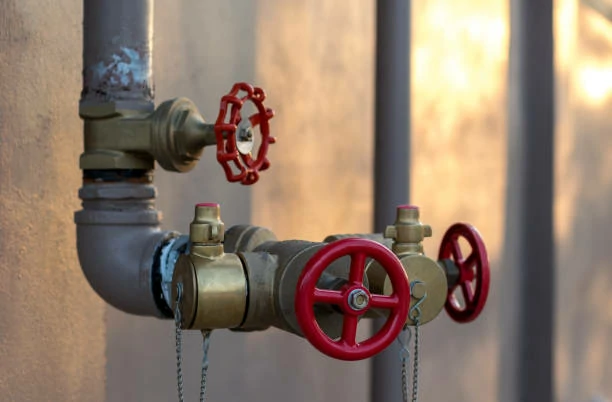
vannes en cuivre play a crucial role in plumbing, industrial applications, and HVAC systems. Their durability and excellent performance make them a preferred choice for various fluid control systems. One of their most important features is oxidation resistance, which directly affects their lifespan and efficiency. Understanding how copper valves resist oxidation helps in selecting the right components for specific applications.
The Nature of Oxidation
Oxidation occurs when metals react with oxygen, leading to surface changes and potential degradation. Unlike iron, which forms rust through oxidation, copper develops a protective patina. This layer prevents further oxidation and ensures long-term functionality. Without this protection, copper valves would corrode quickly, reducing their reliability in fluid systems.
Copper’s Natural Protective Layer
Copper naturally forms a thin oxide layer when exposed to air. This process stabilizes the surface, preventing further oxidation. Unlike iron oxidation, which weakens the material, copper’s patina strengthens and preserves the metal. This feature makes copper valves ideal for environments with high humidity or exposure to corrosive elements.
Factors Affecting Oxidation Resistance
Several factors influence the oxidation resistance of them. These include environmental conditions, alloy composition, and surface treatments.
- Conditions environnementales
Copper valves installed in dry environments develop oxidation layers more slowly. High humidity and exposure to chemicals accelerate the process. However, copper’s protective patina adapts to different conditions, ensuring stability in both mild and harsh environments. - Composition de l'alliage
Pure copper resists oxidation well, but specific alloys enhance its performance. Brass, a copper-zinc alloy, offers additional corrosion resistance. Bronze, a copper-tin alloy, provides increased durability in marine environments. Choosing the right alloy ensures optimal oxidation resistance for each application. - Traitements de surface
Manufacturers apply coatings or chemical treatments to enhance oxidation resistance. Clear lacquer, for example, forms a protective barrier that prevents air exposure. Electroplating with materials like nickel or tin further improves resistance, extending the valve’s service life.
Benefits of Oxidation Resistance
The oxidation resistance of copper valves provides multiple advantages in various industries. These include extended lifespan, reduced maintenance, and consistent performance.
- Durée de vie prolongée
Oxidation-resistant copper valves last significantly longer than those made from less stable materials. Their natural protective layer minimizes deterioration, reducing the need for frequent replacements. - Maintenance réduite
With a stable oxidation layer, copper valves require minimal maintenance. Unlike steel valves that need anti-corrosion coatings or replacements, copper valves function efficiently with basic cleaning and occasional inspections. - Performances constantes
Copper valves maintain smooth internal surfaces due to their oxidation resistance. This prevents clogging and ensures steady fluid flow. Industries relying on precise fluid control benefit from this stability.
Applications of Copper Valves with High Oxidation Resistance
Different industries rely on them for their superior oxidation resistance. These include plumbing, HVAC systems, and chemical processing plants.
- Systèmes de plomberie
Residential and commercial plumbing systems use them to regulate water flow. Their oxidation resistance prevents leaks and ensures long-term reliability, even in high-moisture environments. - Systèmes CVC
Heating, ventilation, and air conditioning systems require durable valves for efficient temperature regulation. Copper valves resist oxidation in both hot and cold conditions, making them ideal for these applications. - Traitement chimique
Copper valves handle various chemicals without significant degradation. Their oxidation resistance ensures safety in industries dealing with corrosive substances.
Enhancing Oxidation Resistance in Copper Valves
Manufacturers implement several techniques to improve oxidation resistance in copper valves. These methods include alloying, surface coatings, and proper storage.
- Alloying
Adding elements like zinc, tin, or aluminum strengthens copper’s oxidation resistance. Alloys like brass and bronze offer improved durability for specific applications. - Surface Coatings
Protective coatings such as epoxy, nickel plating, or polymer films provide an additional barrier against oxidation. These treatments extend the valve’s lifespan and enhance its performance. - Proper Storage and Handling
Storing copper valves in controlled environments prevents premature oxidation. Keeping them in dry, low-humidity areas reduces exposure to corrosive elements.
Conclusion
Copper valves demonstrate exceptional oxidation resistance, ensuring durability and reliability in various applications. Their natural patina protects against further oxidation, making them ideal for plumbing, HVAC, and industrial systems. By selecting appropriate alloys and applying protective coatings, manufacturers enhance copper’s performance, extending its service life. Understanding oxidation resistance helps in choosing the best copper valves for specific needs, ensuring efficiency and long-term functionality.
Norme internationale IFAN
Les produits en PEHD d'IFAN sont conformes à diverses normes internationales, garantissant qualité, durabilité et fiabilité. Parmi ces normes figurent les normes ASTM D3035 et ASTM D3350, qui définissent les spécifications des tubes et matériaux en polyéthylène (PE). Les normes ISO 4427 et EN 12201 établissent des références mondiales pour les tubes en PE utilisés dans les réseaux d'approvisionnement en eau. De plus, les normes DIN 8074/8075 et GB/T 13663 établissent les exigences de performance et de dimension des tubes en PEHD sur les marchés européen et chinois. D'autres normes reconnues, telles que AS/NZS 4130 (Australie/Nouvelle-Zélande), JIS K6760 (Japon), BS 6572 (Royaume-Uni) et CSA B137.1 (Canada), témoignent de l'engagement d'IFAN à respecter les réglementations industrielles mondiales.
Contact
IFAN est un fabricant professionnel fort de 30 ans d'expérience, spécialisé dans la production de tuyaux, raccords et vannes en plastique de haute qualité. Nos produits comprennent des vannes en laiton, des vannes en PPR, ainsi que divers tuyaux et raccords pour répondre aux différents besoins de nos clients. Que vous ayez besoin de tuyaux de plomberie et d'évacuation ou de vannes, IFAN propose une gamme diversifiée de produits de haute qualité et économiques pour vos projets. Vous trouverez nos coordonnées ci-dessous.
Nous répondrons à votre e-mail ou fax dans les 24 heures.
Vous pouvez nous appeler à tout moment si vous avez des questions sur notre production.
Pour plus d'informations, veuillez visiter notre site Web https://www.ifanplus.com/
Veuillez envoyer un mail à : [email protected]
WhatsApp : + 86 19857948982























