


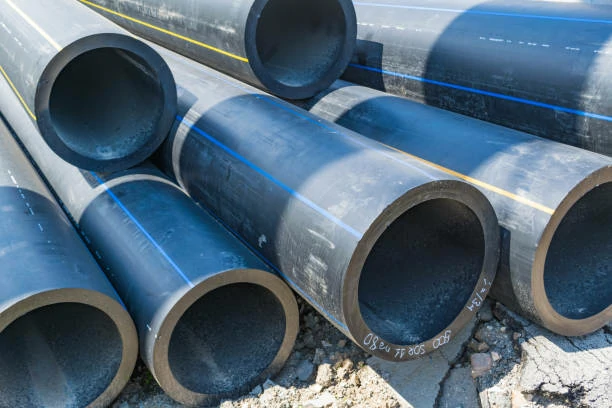
Raccords de tuyauterie en polyéthylène haute densité (PEHD) have become a significant element in industries such as construction, agriculture, water management, and oil and gas. The versatility, durability, and cost-effectiveness of them have made them an essential part of infrastructure development. As demand for reliable and sustainable piping solutions increases, the market for them continues to evolve, presenting numerous opportunities for growth and innovation. This article delves into the market outlook for them, examining current trends, key drivers, challenges, and future opportunities.
1. Overview of the HDPE Pipe Fittings Market
HDPE is a widely used material for them due to its superior resistance to chemicals, high strength-to-density ratio, and ease of installation. HDPE pipe fittings, which include elbows, tees, couplings, and flanges, are commonly used in applications such as water distribution, gas supply systems, sewage, and irrigation systems. The properties of HDPE, such as flexibility, long service life, and low maintenance requirements, contribute to its popularity in both residential and industrial applications.
The global market for them has witnessed steady growth over the years. Several factors, including increasing infrastructure development, urbanization, and demand for sustainable construction practices, have driven this expansion. With ongoing technological advancements and the growing adoption of HDPE products in various sectors, the market is set for further growth in the coming years.
2. Key Drivers of Market Growth
Several key factors are contributing to the growing demand for HDPE pipe fittings worldwide. These factors include:
A. Développement des infrastructures et urbanisation
Urbanization continues to drive the demand for HDPE pipe fittings. As more cities expand and develop, the need for efficient water and waste management systems grows. HDPE pipe fittings offer cost-effective solutions for infrastructure development due to their durability, ease of installation, and long-lasting performance. Municipalities are increasingly opting for HDPE pipes and fittings to improve water supply, sewage systems, and drainage, fueling the growth of the HDPE pipe fitting market.
B. Sustainable Construction Practices
Sustainability has become a significant focus in construction and infrastructure development. The need for eco-friendly materials and solutions has led to increased demand for them, which are not only durable and resistant to corrosion but are also recyclable. The growing trend of using sustainable materials in construction projects aligns with the increasing adoption of them, which offer both environmental and economic benefits.
C. Water and Waste Management Needs
The global demand for clean water and effective waste management solutions continues to rise. HDPE pipe fittings play a critical role in water distribution systems, sewage pipelines, and irrigation networks. As populations grow and water resources become more strained, municipalities and industries are turning to HDPE pipes and fittings for their ability to withstand harsh environments, reduce leakage, and ensure reliable performance over long periods.
D. Oil and Gas Industry
The oil and gas industry is a significant user of them, especially in offshore drilling operations, where corrosion resistance and flexibility are crucial. HDPE pipe fittings are widely used for transporting hydrocarbons and other fluids in both onshore and offshore installations. As the demand for energy continues to increase, particularly from emerging markets, the oil and gas industry’s need for durable and efficient piping solutions will drive further demand for HDPE fittings.
E. Cost-Effectiveness and Maintenance
One of the key advantages of them is their cost-effectiveness. Compared to traditional materials like steel, HDPE offers a more affordable alternative without compromising on quality. The low maintenance and long lifespan of HDPE pipes and fittings also reduce the total cost of ownership for industries. The ability to withstand harsh chemicals, high pressure, and extreme temperatures makes HDPE fittings an attractive choice for various applications, thus contributing to their growing market presence.
3. Market Segmentation
The HDPE pipe fittings market is diverse, with various applications in multiple industries. The market can be segmented based on product type, application, and region.
A. Product Type
HDPE pipe fittings come in various types, each serving specific needs across different industries. Some of the key types include:
- coudes: Used to change the direction of pipelines, elbows are essential components in various piping systems, including water distribution and gas supply lines.
- T-shirts: Used to create branching points in pipelines, tees are widely employed in water and sewage systems.
- Couplings and Connectors: These are used to connect two pipe sections and ensure a tight, leak-free joint.
- Brides: Used to connect pipes to other systems or components, flanges provide reliable sealing for pipelines.
- Reducers and Caps: These fittings are used to change the diameter of a pipeline or close off pipe ends.
B. Application
HDPE pipe fittings find applications in various sectors, each with unique requirements. Key application areas include:
- Approvisionnement et distribution d'eau: HDPE pipe fittings are commonly used in drinking water distribution networks. Their resistance to corrosion and chemicals makes them ideal for water systems.
- Sewage and Wastewater Management: The flexibility and durability of HDPE pipe fittings make them ideal for sewage and wastewater systems, where pipes need to withstand constant pressure and chemical exposure.
- Agriculture: HDPE pipe fittings are widely used in irrigation systems. Their ability to withstand pressure, chemicals, and fluctuating temperatures makes them suitable for agriculture and irrigation applications.
- Pétrole et gaz: The oil and gas sector requires HDPE pipe fittings for fluid transportation and offshore oil extraction. The fittings’ resistance to corrosion and flexibility makes them a suitable choice for such demanding environments.
- Applications industrielles: Many industrial sectors use HDPE pipe fittings in various systems, including chemical processing, mining, and manufacturing, due to the fittings’ resistance to chemicals, high pressure, and temperature variations.
C. Region
The HDPE pipe fittings market is spread across different regions, each with distinct growth patterns. Key regions include:
- Amérique du Nord: The demand for them in North America is driven by infrastructure development, urbanization, and the need for sustainable solutions. The oil and gas industry also contributes significantly to market growth.
- Asie-Pacifique: The Asia-Pacific region is one of the fastest-growing markets for them, driven by rapid urbanization, increased infrastructure investment, and the growing demand for water and waste management systems.
- Europe: Europe is a key player in the HDPE pipe fittings market, particularly due to its emphasis on sustainability and eco-friendly construction practices. The European market also benefits from significant demand in sectors like water treatment and sewage systems.
- Moyen-Orient et Afrique: The Middle East and Africa region see growing demand for them, particularly in the oil and gas sector. Additionally, water scarcity issues and the need for improved water management systems contribute to the region’s market growth.
- l'Amérique latine: Latin America’s market for HDPE pipe fittings is expanding due to ongoing infrastructure development projects and the increasing demand for reliable piping systems in sectors such as agriculture, water supply, and sewage management.
4. Défis du marché des raccords de tuyauterie en PEHD
Despite the promising growth prospects, the HDPE pipe fittings market faces certain challenges that could hinder its progress.
A. Competition from Alternative Materials
HDPE faces competition from other materials, such as PVC, steel, and ductile iron, in various applications. While HDPE offers several advantages, some industries may prefer the mechanical strength of steel or the lower cost of PVC. As a result, HDPE pipe fittings must continue to prove their value in terms of durability, cost-effectiveness, and performance.
B. Raw Material Price Fluctuations
The price of raw materials for them can be volatile, primarily due to the dependence on petrochemical products. Fluctuations in oil prices can affect the cost of HDPE resin, which may impact the pricing of them. Manufacturers must adapt to these fluctuations to maintain profitability.
C. Environmental Concerns
Although HDPE is a recyclable material, improper disposal or lack of recycling infrastructure could pose environmental concerns. As sustainability becomes increasingly important to consumers and governments, the pressure to recycle HDPE fittings efficiently will increase. Manufacturers may need to invest in recycling programs to address these concerns.
5. Future Outlook and Opportunities
The future of the HDPE pipe fittings market looks promising, with several opportunities for growth:
- Progrès technologiques: Continued advancements in manufacturing processes, such as 3D printing, could lead to more efficient production of HDPE pipe fittings, reducing costs and improving customization options.
- Smart Pipelines: The integration of sensors and monitoring devices into HDPE pipe fittings could enable smarter water and gas distribution systems. The demand for such advanced systems is expected to grow as cities move toward smart infrastructure.
- Increasing Demand in Emerging Markets: As infrastructure projects expand in emerging markets, the demand for HDPE pipe fittings will continue to rise. Developing regions such as Africa, Asia, and Latin America offer significant growth opportunities.
- Sustainability Initiatives: Manufacturers who focus on sustainability and recycling will likely see a positive response from environmentally-conscious consumers and businesses. Incorporating recycled HDPE into production will help meet the growing demand for eco-friendly solutions.
Conclusion
The HDPE pipe fittings market is poised for significant growth due to factors such as infrastructure development, sustainable construction practices, and increasing demand for efficient water and waste management systems. As industries and governments prioritize environmental responsibility and cost-effective solutions, the adoption of HDPE pipe fittings is expected to rise. Manufacturers who adapt to emerging trends and challenges, such as competition from alternative materials and raw material price fluctuations, will be well-positioned to succeed in the evolving market. The future of HDPE pipe fittings lies in innovation, sustainability, and the ability to meet the growing global demand for reliable, durable, and eco-friendly piping solutions.
Norme internationale IFAN
Les produits en PEHD d'IFAN sont conformes à diverses normes internationales, garantissant qualité, durabilité et fiabilité. Parmi ces normes figurent les normes ASTM D3035 et ASTM D3350, qui définissent les spécifications des tubes et matériaux en polyéthylène (PE). Les normes ISO 4427 et EN 12201 établissent des références mondiales pour les tubes en PE utilisés dans les réseaux d'approvisionnement en eau. De plus, les normes DIN 8074/8075 et GB/T 13663 établissent les exigences de performance et de dimension des tubes en PEHD sur les marchés européen et chinois. D'autres normes reconnues, telles que AS/NZS 4130 (Australie/Nouvelle-Zélande), JIS K6760 (Japon), BS 6572 (Royaume-Uni) et CSA B137.1 (Canada), témoignent de l'engagement d'IFAN à respecter les réglementations industrielles mondiales.
Contact
IFAN est un fabricant professionnel fort de 30 ans d'expérience, spécialisé dans la production de tuyaux, raccords et vannes en plastique de haute qualité. Nos produits comprennent des vannes en laiton, des vannes en PPR, ainsi que divers tuyaux et raccords pour répondre aux différents besoins de nos clients. Que vous ayez besoin de tuyaux de plomberie et d'évacuation ou de vannes, IFAN propose une gamme diversifiée de produits de haute qualité et économiques pour vos projets. Vous trouverez nos coordonnées ci-dessous.
Nous répondrons à votre e-mail ou fax dans les 24 heures.
Vous pouvez nous appeler à tout moment si vous avez des questions sur notre production.
Pour plus d'informations, veuillez visiter notre site Web https://www.ifanplus.com/
Veuillez envoyer un mail à : [email protected]
WhatsApp : + 86 19857948982























