


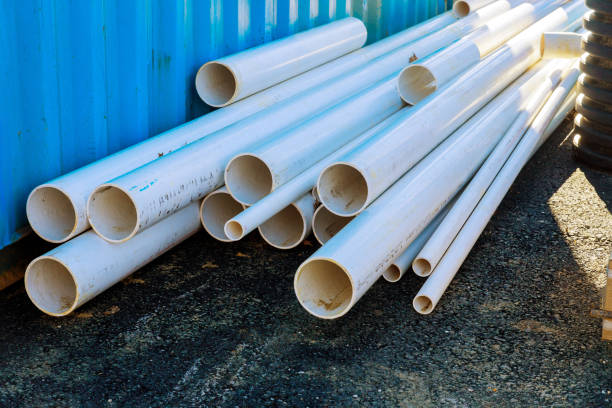
tuyaux d'évacuation en PVC have revolutionized agricultural water management by providing durable and efficient drainage solutions for modern farming operations. These versatile pipes help farmers effectively control subsurface water levels, prevent soil erosion, and maintain optimal growing conditions for various crops. Understanding the proper use and benefits of PVC drain pipes enables agricultural professionals to make informed decisions about their water management systems. This comprehensive guide explores the fundamental characteristics of PVC drain pipes, examines their numerous applications in farming, and answers common questions about their installation and maintenance. By implementing these reliable drainage solutions, farmers can significantly improve crop yields and ensure sustainable land use for future generations.
Understanding PVC Drain Pipes and Their Key Features
PVC drain pipes are specifically designed plastic conduits that efficiently remove excess water from agricultural fields. Manufacturers create these pipes from polyvinyl chloride, a synthetic material known for its exceptional durability and resistance to various environmental factors. These pipes typically feature perforations or slots along their length, allowing water to enter while filtering out soil and debris. The smooth interior walls facilitate excellent water flow, preventing clogs and maintaining consistent drainage performance. Furthermore, their lightweight construction makes transportation and installation significantly easier compared to traditional drainage materials like clay or concrete tiles.
Several distinctive characteristics make PVC drain pipes particularly suitable for agricultural applications. Their inherent corrosion resistance ensures long-term performance in various soil conditions, including acidic and alkaline environments. The material’s structural strength enables these pipes to withstand substantial soil pressure without collapsing, even when installed at considerable depths. Additionally, PVC drain pipes demonstrate remarkable flexibility, allowing them to accommodate minor ground movements while maintaining proper function. Their joint systems provide secure connections that prevent soil infiltration and maintain system integrity. The non-porous nature of PVC prevents root penetration and mineral buildup, ensuring consistent drainage capacity throughout the pipe’s lifespan. These combined features make PVC drain pipes a cost-effective and reliable choice for agricultural drainage needs.
Common Applications in Agricultural Settings
Farmers utilize PVC drain pipes in numerous ways to enhance land productivity and manage water resources effectively. Subsurface drainage systems represent the most common application, where installers lay perforated PVC pipes in patterns beneath fields to control water tables. These systems prevent waterlogging in root zones, which significantly improves soil aeration and promotes healthier crop development. In orchard and vineyard management, growers use PVC drain pipes to maintain optimal soil moisture levels, particularly in regions experiencing heavy seasonal rainfall. The agricultural industry also employs these pipes for greenhouse drainage systems, where precise water control directly impacts plant health and production efficiency.
Beyond field drainage, PVC pipes serve crucial roles in managing agricultural runoff and protecting water quality. Farmers install these pipes in collection systems that channel excess water to sedimentation basins, preventing soil erosion and nutrient loss. In livestock operations, PVC drain pipes handle wastewater from barns and processing areas, ensuring proper sanitation and environmental compliance. Many agricultural operations also use these pipes for irrigation system drainage, particularly in systems requiring regular flushing or winterization. The aquaculture industry relies on PVC drainage networks for pond management and water exchange processes. Even in post-harvest operations, these pipes facilitate proper drainage in storage facilities and processing areas, maintaining clean and dry conditions for agricultural products.
Foire aux questions (FAQ)
1. What size PVC drain pipes work best for agricultural applications?
Farmers typically use pipes ranging from 4 to 12 inches in diameter, depending on specific drainage needs. Smaller diameters (4-6 inches) work well for residential farms and garden applications, while larger diameters (8-12 inches) suit commercial farming operations with significant water volume requirements.
2. How deep should I install agricultural drain pipes?
Installation depth varies based on soil type and crop requirements, but most agricultural applications require depths between 2 and 5 feet. Consult with agricultural extension services or drainage experts to determine the optimal depth for your specific soil conditions and farming objectives.
3. Can PVC drain pipes handle agricultural chemicals and fertilizers?
Yes, PVC material demonstrates excellent resistance to most agricultural chemicals, including fertilizers, pesticides, and soil amendments. This chemical compatibility ensures long-term performance without degradation or loss of functionality in typical farming environments.
4. What maintenance do agricultural drain pipes require?
PVC drain pipes need minimal maintenance when properly installed. Regular inspection of outlet points and occasional flushing of the system usually suffice to maintain optimal performance. Monitoring drainage efficiency after heavy rainfall helps identify potential issues early.
5. How long do PVC drain pipes last in agricultural applications?
Properly installed PVC drain pipes typically last or more in agricultural settings. Their resistance to corrosion, chemical degradation, and environmental stress ensures decades of reliable service with minimal maintenance requirements.
Conclusion
PVC drain pipes have established themselves as essential components in modern agricultural water management, offering reliable performance and long-term value for farming operations. Their durability, chemical resistance, and installation efficiency make them superior to traditional drainage materials in most agricultural scenarios. By effectively managing subsurface water levels, these drainage systems contribute significantly to improved soil health, enhanced crop yields, and sustainable farming practices. The versatility of PVC drain pipes allows for creative solutions to various water management challenges across different agricultural sectors. As farming practices continue to evolve, these dependable drainage solutions will undoubtedly play an increasingly important role in global food production systems. Understanding their proper application and benefits empowers farmers to make better decisions about their land management strategies, ultimately leading to more productive and environmentally responsible agricultural operations.
Your Premier Plumbing & Hardware Destination is Here!
We’re thrilled to announce our new store is now open! Discover a vast selection of high-quality pipes, durable valves, and professional-grade tools. Whether you’re a DIY enthusiast or a professional contractor, we have everything you need for your plumbing and hardware projects.
Enjoy special opening discounts, expert advice, and top-notch products that guarantee reliability. Don’t miss out – visit us today and tackle any project with confidence!
From a wide variety of plumbing accessories and hardware tools to stylish bathroom fixtures, we have it all, making us the perfect one-stop shop for your home needs. Don’t hesitate! Visit Plumbline Hardware Stores 11113 North Miller Avenue Oklahoma City Oklahoma.
and bring home the best value and quality! We look forward to seeing you!
Contactez l'IFAN pour les catalogues et les échantillons
Besoin de documents techniques, de catalogues ou d'échantillons ? Contactez l'IFAN dès aujourd'hui.
📧 Courriel : [email protected]
📱 Whatsapp : +86 19857948982
Notre équipe répond rapidement et fournit un soutien professionnel pour tous vos besoins en matière de pipeline.
Norme internationale IFAN
Les systèmes de tuyauterie IFAN sont conformes à un large éventail de normes internationales pour garantir une qualité et des performances élevées. Parmi celles-ci figurent les normes ASTM F1974 et ASTM F1281 pour les systèmes de tuyauterie multicouche, la norme CSA B137 pour les applications de plomberie canadiennes, la norme DIN 16836 pour les spécifications techniques allemandes, la norme GB18997 pour les normes chinoises et la norme ISO 21003, qui couvre les systèmes de tuyauterie multicouche utilisés pour les installations d'eau chaude et froide. Ce large champ de certification souligne l'engagement de l'IFAN en matière de conformité mondiale et de fiabilité des produits.























