


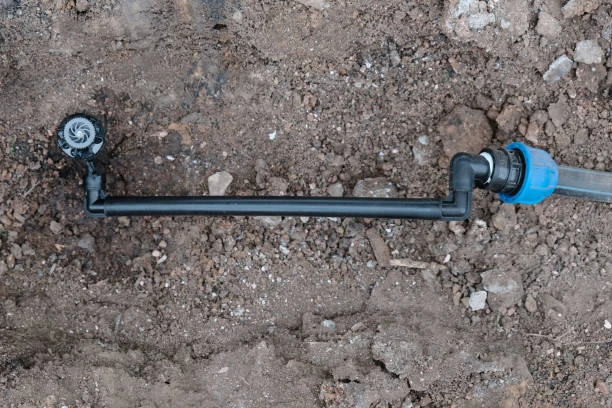
High-Density Polyethylene (HDPE) pipes have become one of the most popular choices for water distribution systems due to their numerous benefits, including flexibility, corrosion resistance, and durability. However, one of the most significant advantages of tuyaux en PEHD lies in their ease of installation. This article delves into the various factors that contribute to the convenience of installing HDPE water pipes, emphasizing their time-saving features, cost-effectiveness, and ease of handling.
Léger et facile à manipuler
One of the primary reasons for the installation convenience of HDPE water pipes is their lightweight nature. HDPE pipes are considerably lighter than traditional pipes, such as those made of steel or concrete. This makes them easier to transport and maneuver during installation. A smaller crew can handle larger sections of HDPE pipes, reducing the need for heavy equipment or cranes, which would be necessary for more substantial pipe materials.
The lightweight quality also makes it easier for workers to carry and place the pipes into trenches or other required spaces. This ease of handling contributes significantly to reducing the labor required during installation, which directly lowers the overall cost of the project.
Flexibility and Bending Capabilities
Another key advantage of HDPE pipes is their flexibility. Unlike rigid piping systems, HDPE pipes can be bent to a certain degree without the need for fittings or joints. This flexibility reduces the number of fittings required during installation, which not only simplifies the process but also reduces the potential for leaks or failures in the system.
In areas with complex pipe layouts or where underground obstacles are present, the flexibility of HDPE pipes makes it easier to navigate around obstacles. The ability to bend the pipe on-site ensures that the installation process is quicker and more efficient, especially in confined spaces.
No Need for Joint Welding or Threading
The traditional methods of connecting pipes often require welding or threading, which can be time-consuming and require skilled labor. HDPE pipes, however, offer a faster and more straightforward connection process. In some cases, HDPE pipes can be connected using electrofusion or butt fusion methods. These methods involve heating the ends of the pipes to create a strong, seamless bond, eliminating the need for additional joints, gaskets, or threading.
Electrofusion and butt fusion fittings are simple to use and require minimal expertise, which further simplifies the installation process. In addition, these types of connections ensure a leak-proof system, providing long-term reliability without the need for frequent maintenance.
Resistance to Corrosion and Wear
Traditional pipe materials, such as steel and cast iron, are prone to corrosion over time, especially when exposed to water or harsh chemicals. This corrosion can lead to pipe degradation, which often requires repairs and replacements. In contrast, HDPE pipes are resistant to corrosion, which reduces the need for constant inspections and maintenance during installation.
Because HDPE pipes do not corrode, they also do not require any protective coatings or linings. This characteristic not only saves time but also eliminates the costs and complexities associated with maintaining the integrity of the pipes. This contributes to the overall ease of installation, as installers do not need to worry about additional protective measures that might be required for other materials.
Cost-Effectiveness in Installation
Although the initial cost of HDPE pipes may be slightly higher than other types of pipes, their overall cost-effectiveness becomes apparent when considering the savings in installation. The lightweight nature, easy handling, and quick connection methods reduce the need for labor-intensive processes and specialized equipment. Furthermore, because HDPE pipes are less prone to damage and require minimal maintenance, they lead to long-term savings.
The reduction in installation time directly translates into lower labor costs. Additionally, the durability and low-maintenance features of HDPE pipes mean fewer repair and replacement costs in the future. This makes HDPE pipes a more cost-effective solution in the long run, despite their higher upfront cost.
Respectueux de l'environnement
The installation of HDPE pipes also contributes to environmental sustainability. These pipes are made from recyclable materials, which helps reduce waste during installation. Furthermore, the durability and long lifespan of HDPE pipes reduce the frequency of repairs or replacements, minimizing the environmental impact associated with maintaining a water distribution system.
Additionally, the fusion welding process used to connect HDPE pipes does not require solvents or adhesives, which are often harmful to the environment. This eco-friendly installation method makes HDPE pipes an attractive option for those looking to reduce their environmental footprint while ensuring a reliable water supply system.
Versatility for Various Applications
HDPE pipes are incredibly versatile, making them suitable for a wide range of applications beyond water supply. They are commonly used for sewer systems, irrigation, and gas distribution, among other uses. The versatility of HDPE pipes further enhances their installation convenience. Whether the project involves residential, commercial, or industrial water systems, HDPE pipes offer a reliable solution that can be easily adapted to different environments and requirements.
For example, in urban environments, HDPE pipes can be installed using trenchless methods, such as horizontal directional drilling (HDD), which minimizes disruption to existing infrastructure and reduces the need for extensive excavation. This versatility allows for quicker installations and less environmental disturbance, further enhancing the convenience of using HDPE pipes for water supply systems.
Minimal Disruption to Existing Infrastructure
When installing HDPE pipes in areas with existing infrastructure, such as roads, buildings, or utilities, the process tends to be less disruptive compared to traditional piping systems. Due to the lightweight and flexible nature of HDPE pipes, installers can use trenchless technologies, such as HDD or pipe bursting, to install the pipes without digging up large sections of the area.
This approach minimizes the impact on surrounding structures, reduces the amount of excavation needed, and significantly speeds up the installation process. For urban water systems, where minimizing disruption is a priority, the ability to install HDPE pipes quickly and with minimal impact makes them an ideal choice.
Long-Term Performance and Reduced Maintenance Needs
Once installed, HDPE pipes require minimal maintenance over their long lifespan. This is due to their resistance to factors like corrosion, scaling, and abrasion. The smooth inner surface of HDPE pipes reduces the buildup of mineral deposits or biofilm, which can clog traditional pipes. This means that once the installation is complete, the water distribution system will require fewer inspections and repairs, reducing long-term maintenance costs.
Furthermore, HDPE pipes are highly resistant to the effects of freezing and thawing, which is a common concern in regions with fluctuating temperatures. Unlike other materials that may crack or burst under freezing conditions, HDPE pipes maintain their structural integrity, providing consistent performance and reliability for years to come.
Conclusion
In summary, HDPE pipes offer unmatched convenience during installation, thanks to their lightweight nature, flexibility, corrosion resistance, and ease of connection. The ability to reduce installation time, minimize labor requirements, and eliminate the need for specialized equipment makes HDPE pipes a highly efficient choice for water supply systems. Additionally, their long-term durability and minimal maintenance requirements further enhance their appeal. As more industries seek to reduce costs and environmental impact, HDPE pipes provide a solution that is not only practical and cost-effective but also environmentally friendly. For water distribution systems, HDPE pipes represent a modern, efficient, and sustainable option that simplifies the installation process and ensures long-term performance.
Norme internationale IFAN
Les produits en PEHD d'IFAN sont conformes à diverses normes internationales, garantissant qualité, durabilité et fiabilité. Parmi ces normes figurent les normes ASTM D3035 et ASTM D3350, qui définissent les spécifications des tubes et matériaux en polyéthylène (PE). Les normes ISO 4427 et EN 12201 établissent des références mondiales pour les tubes en PE utilisés dans les réseaux d'approvisionnement en eau. De plus, les normes DIN 8074/8075 et GB/T 13663 établissent les exigences de performance et de dimension des tubes en PEHD sur les marchés européen et chinois. D'autres normes reconnues, telles que AS/NZS 4130 (Australie/Nouvelle-Zélande), JIS K6760 (Japon), BS 6572 (Royaume-Uni) et CSA B137.1 (Canada), témoignent de l'engagement d'IFAN à respecter les réglementations industrielles mondiales.
Contact
IFAN est un fabricant professionnel fort de 30 ans d'expérience, spécialisé dans la production de tuyaux, raccords et vannes en plastique de haute qualité. Nos produits comprennent des vannes en laiton, des vannes en PPR, ainsi que divers tuyaux et raccords pour répondre aux différents besoins de nos clients. Que vous ayez besoin de tuyaux de plomberie et d'évacuation ou de vannes, IFAN propose une gamme diversifiée de produits de haute qualité et économiques pour vos projets. Vous trouverez nos coordonnées ci-dessous.
Nous répondrons à votre e-mail ou fax dans les 24 heures.
Vous pouvez nous appeler à tout moment si vous avez des questions sur notre production.
Pour plus d'informations, veuillez visiter notre site Web https://www.ifanplus.com/
Veuillez envoyer un mail à : [email protected]
WhatsApp : + 86 19857948982























