


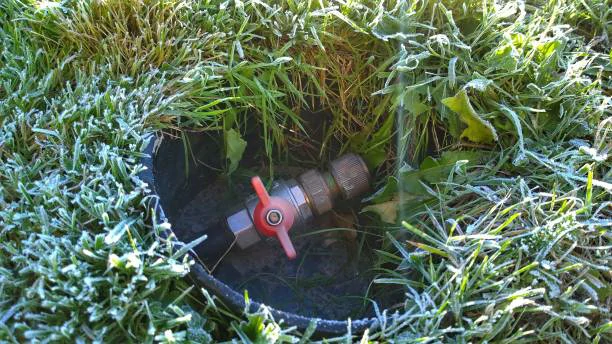
1. Introduction to Radiator Valves
Radiator valves control water flow into radiators. They help manage heat output in heating systems. These valves improve comfort and energy efficiency. Most heating systems use one valve per radiator. You can adjust room temperature using valve settings. As seasons change, users fine-tune each room’s warmth. Radiator valves ensure consistent performance and flexibility. They work best with thermostatic heating systems. Manual or smart controls offer different features. Proper valve use helps lower energy bills over time. Radiator valves remain essential parts of modern central heating. Therefore, knowing how they function is crucial. This guide explains key types, installation tips, and common issues. After reading, you can choose the right valve easily. Radiator valves may seem small, but they play a big role.
2. Key Functions of Radiator Valves
Radiator valves control hot water entering each radiator. When open, water circulates and heats the radiator. When closed, water stops flowing. As a result, the radiator cools down. This direct control supports room-level heat management. For example, you can reduce heat in an unused guest room. At the same time, keep bedrooms warm during winter nights. Radiator valves also reduce energy waste. Rooms heat only when needed. Therefore, you avoid overheating and save money. Good valves respond quickly to changes in settings. High-quality models allow precise control. These benefits make radiator valves popular in both homes and offices. They help maintain comfort while promoting energy savings.
3. Types of Radiator Valves
You can choose from several valve types. Manual valves act like simple on-off switches. You turn the knob to adjust flow. Thermostatic radiator valves (TRVs) sense room temperature. They self-adjust to maintain a set level. For example, if sunlight warms a room, the TRV reduces flow. Smart radiator valves connect to digital thermostats. You control them using apps or home systems. Some valves also include lockshield types. These balance flow within large systems. Designers may choose angled or straight valves for installation needs. In bathrooms, chrome valves match modern decor. Each type fits specific needs, so choose based on usage. Think about space, budget, and control preferences.
4. Installation Considerations
Correct installation ensures efficient heating. Always place valves at the radiator’s inlet. Install TRVs on the flow side, not the return. This allows accurate temperature readings. When replacing old valves, drain the radiator first. Use the correct tools and fittings to avoid leaks. Apply sealant to threaded joints for better sealing. After installation, bleed the radiator to remove trapped air. For smart valves, connect them to Wi-Fi and pair with apps. Check your heating system’s compatibility before installing smart features. If unsure, contact a licensed plumber. Safe installation protects your home and ensures peak performance.
5. How to Adjust Radiator Valves
Adjusting radiator valves improves comfort. Start by identifying cold or overheated rooms. For manual valves, turn the knob clockwise to reduce flow. Turn counterclockwise to increase heat. Thermostatic valves have numbered settings. Higher numbers mean more heat. Set each valve based on room usage. For example, use a low setting in hallways. Use higher settings in living rooms or bedrooms. Smart valves offer more options. Set schedules or adjust remotely using your phone. Regular adjustment ensures better energy use. Review settings seasonally or after home changes. Keep valves accessible for easy control at all times.
6. Common Radiator Valve Problems
Radiator valves may stick, leak, or stop working. A stuck valve usually blocks water flow. Gently turn the knob to release it. If the valve leaks, check the fittings. Tighten connections or replace damaged parts. In some cases, the valve pin jams. Push it gently with a tool to free movement. TRVs may misread room temperature if blocked. Keep curtains or furniture away from the valve head. Smart valves may disconnect from the app. Reset the device and reconnect it to Wi-Fi. If problems continue, consider replacing the valve. Regular checks help prevent long-term issues.
7. Maintenance and Replacement Tips
Check radiator valves at least twice a year. Look for leaks, corrosion, or stiffness. Clean the valve heads with a soft cloth. Do not use harsh chemicals. If a valve feels loose, tighten the fittings. Lubricate moving parts to maintain smooth function. Replace valves that no longer regulate flow. Choose replacements that match your system. Always shut off the system before removing valves. Drain the radiator to avoid spills. Use PTFE tape to seal threaded joints during replacement. After installing a new valve, refill and bleed the system. Test the new valve to ensure correct operation.
8. Final Thoughts: Choosing the Right Radiator Valve
Radiator valves help control comfort and heating costs. Each type suits different homes and user needs. Manual valves offer simplicity. TRVs add automatic control. Smart valves give full remote access. Evaluate your system before buying. Consider size, water flow, and valve type. Match the valve style with your interior design. Install valves correctly and adjust them regularly. Keep them clean and free from blockage. When maintained well, radiator valves last for years. They quietly improve comfort in every season. Invest in the right valves to enjoy smarter heating and lower bills.
Présentation des normes de produits de l'IFAN
IFAN fabrique des produits en totale conformité avec les normes internationales et régionales afin de répondre aux diverses exigences du marché. Notre gamme de produits est conforme aux normes ISO 15874, EN 15874, ASTM F2389, DIN 8077/8078, GB/T 18742 et NBR 15884 pour les systèmes PPR. Nous respectons également les normes ISO 15494, EN ISO 15494, GB/T 19472 et NBR 15494 pour les applications de tuyauterie industrielle. Des normes telles que ASTM D1785 SCH40/SCH80, DIN 8061/8062, ISO 1452, AS/NZS 1477 et NSF/ANSI 14 s'appliquent à nos systèmes PVC. Pour les conduites en PEHD et les conduites de gaz, nous respectons les normes ISO 4437, EN 12201, ASTM D2513, ASTM D3035 et GB/T 13663. Les conduites en acier inoxydable et composites sont conformes aux normes ASTM A312, ISO 10380, ASTM F1974 et ISO 21003. Les autres normes prises en charge incluent CSA B137, BS 7291, JIS K6741 et TIS 17-2532/1131-2535. L'IFAN garantit une qualité et une compatibilité fiables en respectant ces spécifications mondialement reconnues.
Contact
IFAN est un fabricant professionnel fort de 30 ans d'expérience, spécialisé dans la production de tuyaux, raccords et vannes en plastique de haute qualité. Nos produits comprennent des vannes en laiton, des vannes en PPR, ainsi que divers tuyaux et raccords pour répondre aux différents besoins de nos clients. Que vous ayez besoin de tuyaux de plomberie et d'évacuation ou de vannes, IFAN propose une gamme diversifiée de produits de haute qualité et économiques pour vos projets. Vous trouverez nos coordonnées ci-dessous.
Nous répondrons à votre e-mail ou fax dans les 24 heures.
Vous pouvez nous appeler à tout moment si vous avez des questions sur notre production.
Pour plus d'informations, veuillez visiter notre site Web https://www.ifanplus.com/
Veuillez envoyer un mail à : [email protected]
WhatsApp : + 86 19857948982























