


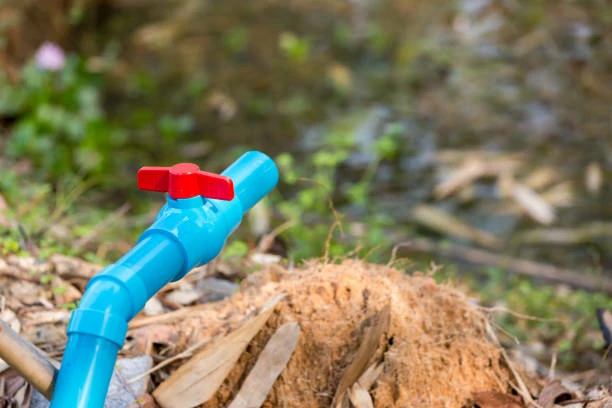
PVC valves play a critical role in chemical applications, where controlling the flow of corrosive liquids and gases requires durable and chemically resistant components. These valves, made from polyvinyl chloride (PVC), offer a unique combination of properties that make them well-suited for use in the demanding environments of chemical processing plants. This article examines the advantages of in chemical applications, focusing on their chemical resistance, durability, ease of use, and cost-effectiveness.
Résistance chimique
In chemical processing, exposure to corrosive substances poses significant challenges to the longevity and reliability of equipment. PVC valves excel in these environments due to their superior chemical resistance. PVC, a thermoplastic material, resists a wide range of chemicals, including acids, bases, salts, and organic solvents. Unlike metal valves, which may corrode when exposed to harsh chemicals, PVC valves maintain their structural integrity, ensuring reliable operation over time. This resistance to chemical degradation makes a preferred choice in chemical applications where other materials might fail.
Durabilité dans les environnements difficiles
Chemical plants often operate under harsh conditions, including high temperatures, pressure fluctuations, and exposure to aggressive chemicals. PVC valves withstand these conditions while providing consistent performance. The inherent durability of PVC ensures that these valves resist wear and tear, minimizing the risk of leaks or malfunctions. Additionally, PVC valves do not suffer from galvanic corrosion, a common issue in metal valves that can lead to premature failure. By choosing them, chemical plants benefit from reduced maintenance needs and extended service life, even in challenging environments.
Ease of Installation and Operation
PVC valves are lightweight, making them easier to handle and install than their metal counterparts. This ease of installation reduces labor costs and shortens downtime during maintenance or system upgrades. The simple design of also contributes to their ease of operation. Operators can quickly open or close the valves with minimal effort, ensuring precise control over the flow of chemicals. The ability to install and operate these valves efficiently proves particularly advantageous in large-scale chemical processing facilities, where system downtime can result in significant losses.
Versatility in Chemical Applications
PVC valves are available in various designs and sizes, allowing them to meet the specific needs of different chemical processes. Ball valves, gate valves, and check valves, all made from PVC, serve distinct functions within chemical plants. For example, PVC ball valves provide quick and easy flow control, while gate valves offer precise regulation of fluid movement. Check valves prevent backflow, protecting sensitive equipment from contamination. This versatility ensures that them can be integrated into a wide range of chemical processing systems, from small laboratories to large industrial facilities.
Rentabilité
PVC valves offer a cost-effective solution for chemical applications, thanks to their lower material costs and long service life. The production of PVC requires less energy than that of metals, resulting in reduced manufacturing costs. Additionally, the lightweight nature of PVC valves lowers transportation expenses. In operation, PVC valves require minimal maintenance, further reducing long-term costs. Chemical plants can achieve significant savings by using them without compromising on performance or reliability.
Considérations environnementales
In addition to their economic advantages, they also support environmental sustainability. The production of PVC generates a lower carbon footprint compared to metal valves, contributing to reduced greenhouse gas emissions. Furthermore, PVC is a recyclable material, meaning that old or damaged valves can be recycled instead of discarded as waste. By choosing them, chemical plants not only benefit from high-performance components but also contribute to environmental conservation efforts.
Safety in Chemical Processing
Safety remains a top priority in chemical processing, where the mishandling of hazardous materials can have serious consequences. PVC valves contribute to safety by providing reliable containment of corrosive and toxic substances. Their chemical resistance prevents leaks that could lead to dangerous spills or exposure to harmful chemicals. Moreover, they are non-conductive, reducing the risk of electrical hazards in environments where flammable chemicals are present. By using them, chemical plants enhance the safety of their operations, protecting both personnel and the environment.
Application Examples
PVC valves find use in a variety of chemical processes, including the handling of acids, alkalis, and industrial solvents. In the production of fertilizers, PVC valves control the flow of corrosive solutions, ensuring efficient and safe operation. In the pharmaceutical industry, these valves regulate the movement of chemical reagents used in drug synthesis. Additionally, PVC valves serve in water treatment plants where they manage the flow of chemicals used for water purification. Their adaptability to different chemical processes makes them a valuable asset in the chemical industry.
IFAN International Standard for PVC Valves
Les produits en PVC d'IFAN sont conformes à un large éventail de normes internationales, garantissant ainsi une qualité et des performances optimales. Ces normes incluent : BS 3505, BS 4346, ASTM D1785 SCH40, ASTM D1785 SCH80, DIN, GB, DWV, ASTM D2665, ASTM D2241, ASTM D2665, ASTM D2729, ASTM F441/F441M, la série ISO 1452, EN ISO 1452, DIN 8061/8062, la série GB/T 10002, AS/NZS 1477, JIS K6741, CSA B137.3, NSF/ANSI 14 et TIS 17-2532/1131-2535. La conformité à ces normes garantit que les tubes et raccords en PVC d'IFAN offrent des performances, une sécurité et une fiabilité constantes dans diverses applications à travers le monde.
Conclusion
PVC valves offer numerous advantages in chemical applications, including chemical resistance, durability, ease of use, cost-effectiveness, and environmental benefits. Their ability to withstand harsh conditions and resist corrosion makes them ideal for use in chemical processing plants. By incorporating them into their systems, chemical plants can achieve reliable performance, reduce maintenance costs, and enhance safety. Whether for controlling the flow of corrosive chemicals or preventing backflow, they provide an effective solution for the demanding requirements of chemical applications.
Contact
IFAN Fort de 30 ans d'expérience, nous sommes un fabricant professionnel de tuyaux, raccords et vannes en plastique de haute qualité. Nos produits comprennent des vannes en laiton, des vannes en PPR, ainsi que divers tuyaux et raccords pour répondre aux différents besoins de nos clients. Que vous ayez besoin de tuyaux de plomberie et d'évacuation ou de vannes, IFAN Nous proposons une gamme diversifiée de produits de haute qualité et économiques pour soutenir vos projets. Vous trouverez ci-dessous nos coordonnées.
Nous répondrons à votre e-mail ou fax dans les 24 heures.
Vous pouvez nous appeler à tout moment si vous avez des questions sur notre production.
Pour plus d'informations, veuillez visiter notre site Web https://www.ifanplus.com/
Veuillez envoyer un mail à : [email protected]
WhatsApp : + 86 19857948982























