


Introduction
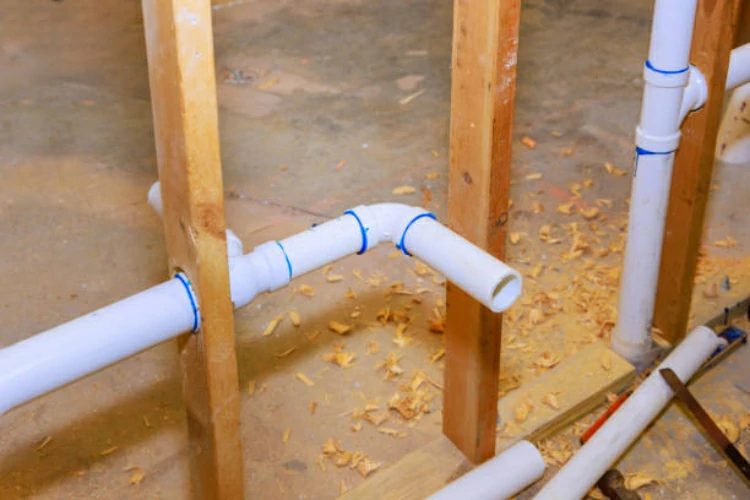
Installing PVC tubes requires careful planning and execution to ensure optimal performance and longevity of the plumbing system. From selecting the right materials to employing proper installation techniques, every step plays a crucial role in the success of the project. Let’s explore the methods and considerations for PVC tube installation to help you navigate this process effectively.
Methods of PVC Tube Installation
1. Solvent Welding: Ensuring Strong and Watertight Joints
a. Preparation:
Before solvent welding PVC tubes, ensure that both the pipe and fittings are clean, dry, and free from any dirt or debris. Use a primer to prepare the surfaces and improve adhesion.
b. Application:
Apply solvent cement evenly to the outside of the pipe and the inside of the fitting socket using a brush or applicator. Quickly insert the pipe into the fitting socket and hold it in place for a few seconds to allow the solvent to bond the surfaces.
c. Cure Time:
Allow sufficient time for the solvent cement to cure and create a strong bond between the pipe and fitting. Follow manufacturer recommendations for cure times before pressurizing the system.
2. Mechanical Fittings: Offering Versatile and Reversible Connections
a. Selection:
Choose mechanical fittings that are compatible with PVC tubes and meet the requirements of your plumbing system. Common types include compression fittings, push-fit fittings, and clamp saddles.
b. Installation:
Follow the manufacturer’s instructions carefully when installing mechanical fittings. Ensure that the fittings are properly aligned and tightened to prevent leaks or failures.
c. Inspection:
After installation, inspect the fittings for any signs of damage or misalignment. Conduct pressure tests as necessary to verify the integrity of the connections.
Considerations for PVC Tube Installation
1. Proper Alignment and Support:
Ensure that PVC tubes are properly aligned and supported to prevent stress on the joints and fittings. Use hangers, brackets, or straps to secure the pipes at regular intervals and minimize movement.
2. Protection from Damage:
Protect PVC tubes from physical damage during installation and use. Avoid sharp bends, excessive bending, or direct exposure to sunlight, which can weaken the material and lead to failure.
3. Adhering to Codes and Regulations:
Comply with local building codes and regulations when installing PVC tubes, especially in areas prone to seismic activity or other environmental factors. Obtain necessary permits and inspections to ensure compliance with safety standards.
Conclusion
Mastering PVC tube installation requires attention to detail, proper technique, and adherence to safety protocols. By choosing the right installation method, following best practices, and considering key factors such as alignment, support, and regulatory compliance, you can ensure the successful installation of PVC tubes in your plumbing system. Remember to consult with professionals or refer to manufacturer guidelines for specific installation requirements to achieve optimal results.
Contact
IFAN Fort de 30 ans d'expérience, nous sommes un fabricant professionnel de tuyaux, raccords et vannes en plastique de haute qualité. Nos produits comprennent des vannes en laiton, des vannes en PPR, ainsi que divers tuyaux et raccords pour répondre aux différents besoins de nos clients. Que vous ayez besoin de tuyaux de plomberie et d'évacuation ou de vannes, IFAN Nous proposons une gamme diversifiée de produits de haute qualité et économiques pour soutenir vos projets. Vous trouverez ci-dessous nos coordonnées.
Nous répondrons à votre e-mail ou fax dans les 24 heures.
Vous pouvez nous appeler à tout moment si vous avez des questions sur notre production.
Pour plus d'informations, veuillez visiter notre site Web https://www.ifanplus.com/
Veuillez envoyer un mail à : [email protected]























