


Introduction
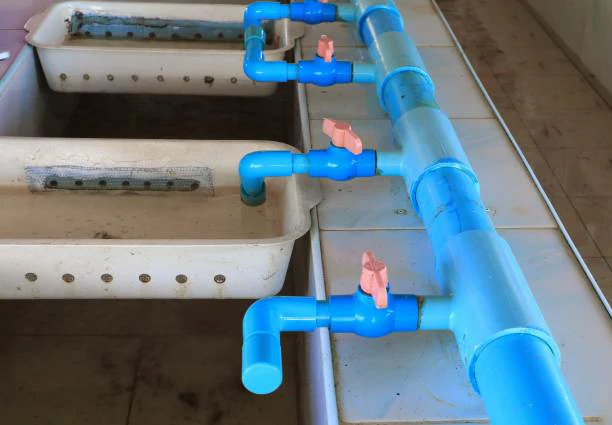
Water treatment systems require reliable, durable, and corrosion-resistant components. PVC plastic valves play a critical role in controlling water flow, regulating pressure, and preventing contamination. These valves function in various water treatment processes, including filtration, disinfection, chemical dosing, and wastewater management.
Engineers and operators prefer PVC plastic valves because of their lightweight structure, non-corrosive properties, and chemical resistance. These advantages make them suitable for municipal water supply, industrial wastewater treatment, and residential filtration systems.
This article explores the role of PVC plastic valves in water treatment, focusing on their functions, types, applications, advantages, and maintenance requirements.
Functions of PVC Plastic Valves in Water Treatment
Contrôle de flux
PVC plastic valves regulate water movement within treatment plants and distribution systems. Operators adjust flow rates to ensure proper filtration, disinfection, and chemical mixing. Precise control prevents overflow, maintains efficiency, and optimizes treatment performance.
Pressure Regulation
Maintaining consistent pressure within water treatment systems ensures operational stability. PVC pressure-reducing valves control excessive pressure, preventing damage to pipes, pumps, and filtration equipment. Consistent pressure also improves water distribution efficiency.
Chemical Dosing
Water treatment processes often require chemical additives for purification and disinfection. PVC plastic valves help control chemical dosing, ensuring accurate proportions. These valves resist corrosion from chlorine, acids, and other treatment chemicals.
Backflow Prevention
Contaminated water must not re-enter clean water supplies. Check valves prevent backflow by allowing water to move in only one direction. Proper installation ensures water safety and compliance with health regulations.
Drainage and Wastewater Management
Water treatment facilities manage sludge, sediment, and contaminants. PVC plastic drain valves allow efficient removal of waste while resisting wear from chemicals and debris.
Types of PVC Plastic Valves Used in Water Treatment
vannes à boisseau sphérique
Ball valves provide quick shutoff and precise flow control. A rotating ball inside the valve body opens or closes the passage. These valves offer minimal pressure loss and smooth operation, making them suitable for chemical dosing and filtration systems.
Vannes à guillotine
Gate valves use a sliding gate to control water flow. Raising the gate allows unrestricted movement, while lowering it blocks the passage. These valves suit high-flow applications, such as raw water intake and wastewater discharge.
Clapets anti-retour
Check valves prevent reverse flow, ensuring clean and contaminated water remain separate. Spring-loaded or swing check valves activate automatically when pressure changes, protecting pumps and distribution lines.
Vannes papillon
Butterfly valves feature a rotating disc inside the valve body. Turning the handle moves the disc, adjusting flow rates. These valves provide a space-saving design for large water treatment systems.
Diaphragm Valves
Diaphragm valves regulate flow using a flexible membrane. This design prevents contact between water and the valve’s internal components, reducing contamination risks. These valves perform well in chemical dosing applications.
Pressure Relief Valves
Excessive pressure can damage treatment equipment. Pressure relief valves release excess water when pressure levels rise, protecting pipes and system components.
Applications of PVC Plastic Valves in Water Treatment
Municipal Water Treatment
Public water treatment plants rely on PVC plastic valves to regulate filtration, disinfection, and distribution. These valves control chlorine dosing, maintain flow consistency, and prevent contamination in drinking water systems.
Industrial Wastewater Treatment
Factories and processing plants treat wastewater before discharge. PVC valves manage chemical neutralization, sludge removal, and effluent discharge. Their resistance to acids, alkalis, and industrial waste ensures long-term performance.
Reverse Osmosis (RO) Systems
RO filtration systems remove dissolved solids and contaminants from water. PVC ball valves and check valves control pressure, regulate flow, and prevent backflow in these high-efficiency filtration systems.
Swimming Pool and Spa Filtration
Swimming pools and spas require constant water circulation and chemical treatment. PVC valves control chlorine dosing, pH adjustment, and filtration flow rates, ensuring safe and clean water.
Systèmes d'irrigation agricole
PVC plastic valves play a role in irrigation systems, managing water distribution and preventing contamination from fertilizers and pesticides. Proper valve selection ensures efficient crop irrigation.
Desalination Plants
Seawater desalination plants convert saltwater into freshwater through membrane filtration and chemical treatment. PVC valves regulate brine discharge, manage chemical dosing, and control pressure levels.
Advantages of PVC Plastic Valves in Water Treatment
Résistance à la corrosion
Water treatment systems use chemicals for purification and pH adjustment. PVC plastic resists corrosion from chlorine, acids, and alkalis, ensuring durability in harsh environments.
Construction légère
PVC valves weigh less than metal alternatives, making transportation, handling, and installation easier. Their lightweight design reduces stress on piping systems.
Cost-Effective Performance
PVC plastic valves offer a lower cost than metal valves while maintaining excellent durability. Their affordability makes them an attractive choice for large-scale water treatment projects.
Non toxique et sans danger pour l'eau potable
PVC plastic valves meet safety standards for potable water applications. Their non-toxic materials prevent contamination, ensuring clean drinking water distribution.
Faibles besoins d'entretien
PVC valves require minimal maintenance due to their simple design and durable materials. Regular inspections and cleaning ensure consistent operation without frequent repairs.
Versatile Installation Options
Threaded, solvent-weld, and flanged connection options allow flexible installation. Different systems require different configurations, and PVC plastic valves accommodate various piping arrangements.
Maintenance of PVC Plastic Valves in Water Treatment
Inspection régulière
Operators check valves for leaks, wear, and debris buildup. Early detection of issues prevents costly downtime and system failures.
Nettoyage et rinçage
Sediment and chemical deposits can affect valve performance. Flushing water treatment systems removes debris and maintains smooth valve operation.
Remplacement du joint
O-rings, gaskets, and diaphragm seals degrade over time. Regular replacement ensures proper sealing and prevents leakage.
Lubrification des pièces mobiles
Some PVC valves require lubrication to maintain smooth operation. Approved lubricants protect internal components from friction-related damage.
Testing for Proper Functionality
Periodic testing confirms that PVC valves operate as intended. Flow control, pressure regulation, and backflow prevention tests ensure system reliability.
Conclusion
PVC plastic valves serve as essential components in water treatment systems. Their functions include flow control, pressure regulation, chemical dosing, and contamination prevention. Different valve types provide solutions for municipal water supply, industrial wastewater treatment, reverse osmosis filtration, and agricultural irrigation.
The advantages of PVC plastic valves—corrosion resistance, lightweight construction, cost-effectiveness, and safety—make them ideal for water treatment applications. Proper maintenance, including regular inspections, cleaning, and seal replacement, ensures long-lasting performance.
Efficient water treatment relies on high-quality components. PVC plastic valves contribute to the effectiveness of filtration, disinfection, and distribution processes, ensuring safe and clean water for various industries and communities.
Norme internationale IFAN
Les produits en PEHD d'IFAN sont conformes à diverses normes internationales, garantissant qualité, durabilité et fiabilité. Parmi ces normes figurent les normes ASTM D3035 et ASTM D3350, qui définissent les spécifications des tubes et matériaux en polyéthylène (PE). Les normes ISO 4427 et EN 12201 établissent des références mondiales pour les tubes en PE utilisés dans les réseaux d'approvisionnement en eau. De plus, les normes DIN 8074/8075 et GB/T 13663 établissent les exigences de performance et de dimension des tubes en PEHD sur les marchés européen et chinois. D'autres normes reconnues, telles que AS/NZS 4130 (Australie/Nouvelle-Zélande), JIS K6760 (Japon), BS 6572 (Royaume-Uni) et CSA B137.1 (Canada), témoignent de l'engagement d'IFAN à respecter les réglementations industrielles mondiales.
Contact
IFAN est un fabricant professionnel fort de 30 ans d'expérience, spécialisé dans la production de tuyaux, raccords et vannes en plastique de haute qualité. Nos produits comprennent des vannes en laiton, des vannes en PPR, ainsi que divers tuyaux et raccords pour répondre aux différents besoins de nos clients. Que vous ayez besoin de tuyaux de plomberie et d'évacuation ou de vannes, IFAN propose une gamme diversifiée de produits de haute qualité et économiques pour vos projets. Vous trouverez nos coordonnées ci-dessous.
Nous répondrons à votre e-mail ou fax dans les 24 heures.
Vous pouvez nous appeler à tout moment si vous avez des questions sur notre production.
Pour plus d'informations, veuillez visiter notre site Web https://www.ifanplus.com/
Veuillez envoyer un mail à : [email protected]
WhatsApp : + 86 19857948982























