


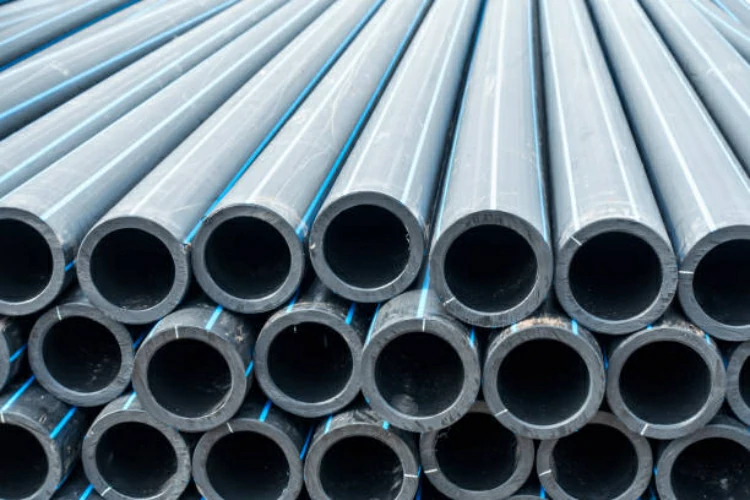
Introduction aux tuyaux PPR
PPR pipes, short for Polypropylene Random Copolymer pipes, are a type of plastic piping system widely used in plumbing and water supply applications. They are known for their exceptional durability, chemical resistance, and ease of installation, making them a popular choice in both residential and commercial settings.
Composition du matériau
PPR pipe consist of polypropylene random copolymer, a thermoplastic material derived from polymerizing propylene monomers with random ethylene copolymer molecules. Ethylene addition enhances the material’s toughness, impact resistance, and temperature resistance, improving overall performance.
Thermoplastic Properties
PPR pipes’ thermoplastic nature enables easy molding and reshaping when heated. This versatility allows for customization to meet specific installation needs, accommodating various dimensions and configurations.
Résistance chimique
PPR pipe demonstrate exceptional chemical resistance, remaining unaffected by acids, alkalis, and other corrosive substances typically present in plumbing systems. This resistance extends the lifespan of PPR pipe and prevents problems like corrosion and scaling, safeguarding the water supply’s integrity.
Avantages des tuyaux PPR
PPR pipes offer several distinct advantages over traditional piping materials, making them a preferred choice for plumbing applications.
Résistance aux hautes températures
PPR pipes boast outstanding heat resistance, ensuring they maintain their shape and integrity even in high-temperature environments. This makes them perfect for hot water distribution, underfloor heating, and industrial setups facing elevated temperatures.
Faible conductivité thermique
PPR pipe have low thermal conductivity, meaning they retain heat well and minimize energy loss in hot water distribution systems. This property helps improve the overall energy efficiency of the plumbing system and reduces heating costs for end-users.
Surface intérieure lisse
PPR pipes boast a smooth interior surface that promotes laminar flow and minimizes frictional losses within the piping system. This results in efficient water flow, reduced pressure drop, and enhanced system performance, ensuring optimal water distribution throughout the building.
Léger et facile à installer
PPR pipes weigh less than metal pipes, simplifying handling and installation. Their flexibility facilitates swift and straightforward installation, cutting down on labor expenses and project durations. Moreover, PPR pipe can be fused using heat, removing the necessity for toxic adhesives or sealants and guaranteeing leak-proof connections.
Conclusion
PPR pipes are ideal for diverse plumbing applications due to their robust material properties and numerous benefits. Their durability, chemical resistance, high heat tolerance, and easy installation make them perfect for residential and commercial projects, ensuring dependable and enduring performance.
Contact
IFAN Fort de 30 ans d'expérience, nous sommes un fabricant professionnel de tuyaux, raccords et vannes en plastique de haute qualité. Nos produits comprennent des vannes en laiton, des vannes en PPR, ainsi que divers tuyaux et raccords pour répondre aux différents besoins de nos clients. Que vous ayez besoin de tuyaux de plomberie et d'évacuation ou de vannes, IFAN Nous proposons une gamme diversifiée de produits de haute qualité et économiques pour soutenir vos projets. Vous trouverez ci-dessous nos coordonnées.
Nous répondrons à votre e-mail ou fax dans les 24 heures.
Vous pouvez nous appeler à tout moment si vous avez des questions sur notre production.
Pour plus d'informations, veuillez visiter notre site Web https://www.ifanplus.com/
Veuillez envoyer un mail à : [email protected]























