


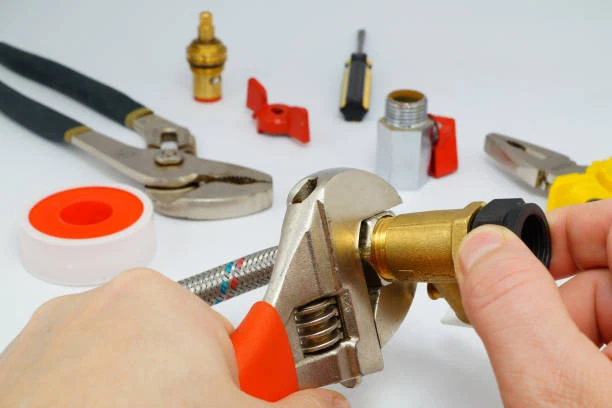
Precision plays a central role in the performance of a coupe-tube. Whether you’re working with plumbing, HVAC systems, or industrial installations, achieving accurate cuts is crucial for ensuring tight seals, proper fittings, and avoiding waste. Precision influences the overall quality of the work and prevents the need for rework due to poorly cut pipes. This article delves into the factors that affect the precision of a pipe cutter, such as design, blade material, cutting mechanism, and user control. It also discusses how to maintain and improve the accuracy of cuts when using a pipe cutter.
Cutting Mechanism and Its Impact on Precision
The cutting mechanism of a pipe cutter directly affects its precision. The two most common cutting mechanisms are rotary and scissor-type actions. Each has specific advantages and influences the tool’s ability to make accurate cuts.
Rotary Cutters
Rotary pipe cutters use a cutting wheel that rotates around the pipe, gradually scoring and slicing through the material. The precision of a rotary cutter largely depends on the stability of the wheel, its sharpness, and the alignment of the tool. As the wheel rotates, it steadily reduces the pipe’s material layer by layer, minimizing any distortion or irregularities. This mechanism is especially effective for making straight cuts, which are critical in applications where precise alignment is needed.
Rotary cutters are generally used for pipes with smaller diameters and are ideal for producing clean, smooth cuts. The stability of the cutting wheel plays a critical role in ensuring that the tool moves evenly around the pipe, preventing any wobbles or shifts that could lead to misaligned cuts. Precision is also influenced by the user’s ability to apply consistent pressure, which can affect the evenness of the cut.
Scissor-Type Cutters
Scissor-type pipe cutters use a two-blade system to make a cutting action that resembles the motion of scissors. These cutters are usually better suited for thicker pipes or more demanding materials. The precision of scissor-type cutters depends on how well the blades align and how evenly force is applied during the cutting process.
Unlike rotary cutters, scissor-type cutters rely on a shearing action, which requires the blades to come into direct contact with each other. Any misalignment or uneven pressure can lead to crooked cuts or unnecessary deformation of the pipe. To maintain precision, users must ensure the blades are sharp and aligned properly. Many high-quality scissor-type cutters come with features that allow for easier blade adjustment, which further enhances their accuracy.
Blade Material and Sharpness
The material and sharpness of the blade are significant factors that influence the precision of the pipe cutter. A dull blade can cause uneven cutting, deformation of the pipe, or require more force to achieve a clean cut. High-quality blades remain sharp for longer, maintaining cutting efficiency and precision over multiple uses.
Matériaux des lames
Most pipe cutters use blades made from hardened steel, carbide, or stainless steel. These materials resist dulling and corrosion, which helps maintain precision over time. Hardened steel blades are popular for their durability and ability to make clean cuts in materials like copper, PVC, and plastic pipes. Carbide blades are even harder and remain sharper for extended periods, making them suitable for cutting tougher materials, such as steel or thick-walled pipes.
Blades made from stainless steel are highly resistant to corrosion, which is important when working in environments where pipes may be exposed to moisture or other corrosive elements. The material of the blade not only contributes to its sharpness but also impacts its ability to produce precise cuts without causing burrs or other imperfections.
Sharpness and Maintenance
Maintaining the sharpness of a pipe cutter blade is essential for achieving precise cuts. Dull blades require more force to cut, which can lead to uneven results. Regularly inspecting and sharpening blades helps maintain cutting precision. Some pipe cutters come with replaceable blades, ensuring the tool remains effective over time. In other cases, users may need to sharpen or replace the blade themselves.
Sharpening the blade ensures that the cutter continues to produce clean cuts without affecting the integrity of the pipe. A sharp blade slices through the material with minimal resistance, which not only enhances precision but also reduces the risk of damaging the pipe during the cutting process.
Pipe Alignment and Stability
The alignment of the pipe is a key factor in ensuring precise cuts. If the pipe is not positioned correctly or if it shifts during cutting, the cutter can produce uneven cuts, leading to poor-fitting pipe connections or even costly mistakes in installation.
Pipe Clamping and Holding Mechanisms
Many pipe cutters feature a clamping mechanism to securely hold the pipe in place during the cutting process. These mechanisms help prevent the pipe from shifting, which can affect the accuracy of the cut. Some cutters come with adjustable clamps or ratcheting systems that ensure consistent pressure and alignment throughout the cut.
For users who need to cut pipes in tight spaces or at angles, having an adjustable clamping system is essential for maintaining the precision of the cut. Some models also feature guides that help keep the pipe straight and aligned with the cutter, reducing the risk of slippage and crooked cuts.
Pipe Size Adjustability
Pipe cutters designed to handle multiple pipe sizes offer versatility while maintaining cutting precision. Adjustable cutting mechanisms or removable parts allow the tool to fit various pipe diameters. These adjustments are crucial for achieving accurate cuts across different pipe materials and sizes, whether dealing with small PVC pipes or larger metal pipes.
Precision also depends on how well the cutter grips the pipe. Tools with rubberized or padded gripping surfaces can reduce the risk of slippage and help maintain consistent pressure during the cutting process. Secure pipe positioning results in cleaner, more accurate cuts.
Cutting Pressure and User Control
The amount of pressure applied during the cutting process can influence the precision of the cut. Too much pressure can cause the blade to crush the pipe or result in an uneven cut, while too little pressure may not allow the cutter to make a clean slice through the material.
Consistent Pressure Application
Maintaining consistent pressure is essential for making accurate cuts. Some pipe cutters are designed with a ratcheting mechanism, allowing the user to apply steady, incremental pressure as the blade moves through the pipe. This mechanism helps achieve a smoother, more controlled cut, reducing the risk of unevenness.
Other cutters, especially manual models, require the user to apply steady, even pressure manually. If users apply inconsistent pressure, the cutter can veer off course, leading to misaligned cuts. Therefore, the user’s technique plays a significant role in the overall precision of the cut.
Handle Design and Ergonomics
The design of the handles influences the user’s ability to apply controlled force. Ergonomically designed handles provide a comfortable and secure grip, reducing hand fatigue and allowing the user to maintain better control over the cutter. A comfortable handle design ensures that users can apply the necessary pressure without compromising their grip or precision.
For pipe cutters used in extended sessions or professional environments, handles with soft-touch or rubberized grips offer greater comfort and help prevent hand strain. An ergonomic handle shape reduces the risk of mistakes due to fatigue, which contributes to the overall precision of the tool.
Conclusion
The precision of a pipe cutter is a result of several factors, including the cutting mechanism, blade material, pipe alignment, and user control. Rotary cutters offer smooth, accurate cuts, while scissor-type cutters provide a powerful, shearing action for thicker materials. The material and sharpness of the blade are key to maintaining cutting accuracy, with hardened steel and carbide blades offering durability and sharpness. Proper pipe alignment, secure clamping mechanisms, and adjustable cutting mechanisms help ensure that the pipe stays in place during the cutting process, reducing the risk of crooked cuts. User control, particularly in applying consistent pressure and using ergonomically designed handles, further enhances precision.
To achieve the best results, users must regularly maintain their pipe cutters, keep blades sharp, and apply the right technique. By paying attention to these elements, users can ensure that their pipe cutter produces clean, precise cuts that meet the demands of their specific application.
Meilleurs fournisseurs de coupe-tubes
| Nom de l'entreprise | Siège social/Localisation | Année de fondation |
| IFAN | ZhuJi,Chine | 1993 |
| Celanese Corporation | Irving, Texas, aux États-Unis | 1921 |
| Dow | Midland, Michigan, aux États-Unis | 1897 |
| JM Eagle | Livingston, New Jersey | 1982 |
| Cresline Plastic Pipe Co inc | Mechanicsburg, Pennsylvanie, Council Bluffs, Iowa, Corsicana, Texas | 1949 |
Norme internationale IFAN
Les produits IFAN sont conformes à un ensemble de normes internationalement reconnues, garantissant qualité et performance dans diverses applications. Il s'agit notamment des normes ISO 15874, qui définissent les spécifications des systèmes de tuyauterie en plastique ; des normes EN 15874, qui couvrent les exigences relatives aux tubes et raccords en polyéthylène (PE) dans les réseaux de distribution d'eau ; de la norme ASTM F2389, qui définit les normes pour les systèmes de tubes en polyéthylène réticulé (PEX) ; des normes DIN 8077/8078, qui traitent des dimensions et des essais des tubes en plastique ; des normes GB/T 18742, qui sont les normes nationales chinoises pour les tubes et raccords en plastique ; et de la norme brésilienne NBR 15884 pour les systèmes de tuyauterie en PE et PEX. Ces certifications témoignent de l'engagement d'IFAN à fournir des produits fiables et de haute qualité, conformes aux normes industrielles mondiales.
Contact
IFAN est un fabricant professionnel fort de 30 ans d'expérience, spécialisé dans la production de tuyaux, raccords et vannes en plastique de haute qualité. Nos produits comprennent des vannes en laiton, des vannes en PPR, ainsi que divers tuyaux et raccords pour répondre aux différents besoins de nos clients. Que vous ayez besoin de tuyaux de plomberie et d'évacuation ou de vannes, IFAN propose une gamme diversifiée de produits de haute qualité et économiques pour vos projets. Vous trouverez nos coordonnées ci-dessous.
Nous répondrons à votre e-mail ou fax dans les 24 heures.
Vous pouvez nous appeler à tout moment si vous avez des questions sur notre production.
Pour plus d'informations, veuillez visiter notre site Web https://www.ifanplus.com/
Veuillez envoyer un mail à : [email protected]
WhatsApp : + 86 19857948982























