


Introduction
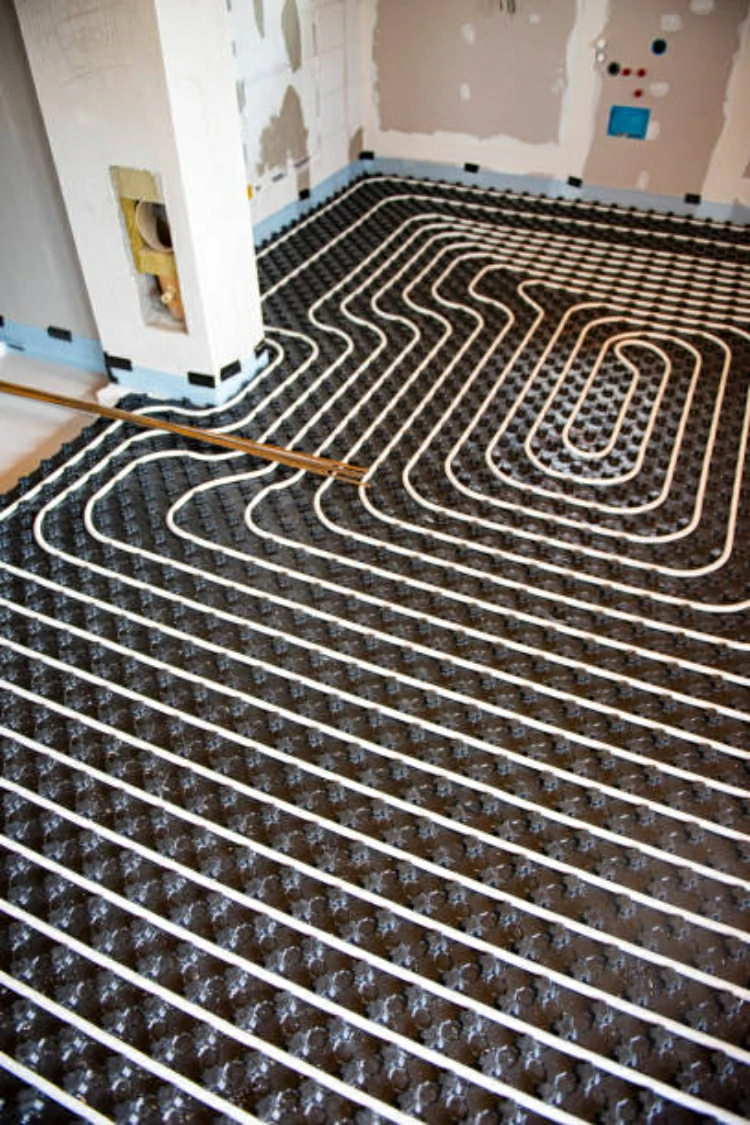
PEX (cross-linked polyethylene) pipes have gained popularity in plumbing systems due to their versatility and ease of installation. Understanding the proper techniques and tips for installing PEX pipes is essential for ensuring a successful plumbing project.
1. Préparation de l'installation
Rassembler les outils et le matériel nécessaires
Before starting the installation process, gather all the necessary tools and materials, including PEX pipes, fittings, crimp rings, a PEX pipe cutter, a crimping tool, and a deburring tool.
Measuring and Planning
Measure the length of PEX pipes needed for the installation and plan the layout accordingly. Consider factors such as the location of fixtures, obstacles, and potential expansion points.
2. Cutting and Preparing PEX Pipes
Using a PEX Pipe Cutter
Use a specialized PEX pipe cutter to make clean, straight cuts on the PEX pipes. Avoid using a regular saw or blade, as it may cause uneven cuts and compromise the integrity of the pipe.
Deburring the Cut Ends
After cutting the PEX pipes, use a deburring tool to remove any burrs or rough edges from the cut ends. This ensures a smooth surface for proper fittings and prevents potential leaks.
3. Installing PEX Pipes and Fittings
Inserting PEX Fittings
Slide the appropriate PEX fittings onto the ends of the PEX pipes, ensuring they are fully inserted and seated properly. Use fittings designed for PEX pipes to ensure compatibility and a secure connection.
Crimping the Connection
Place a crimp ring over the PEX fitting and position it approximately 1/8 inch from the end of the pipe. Use a crimping tool to compress the crimp ring securely around the fitting, creating a watertight seal.
4. Pressure Testing and Inspection
Pressure Testing the System
After completing the installation, perform a pressure test on the PEX piping system to check for any leaks or weak points. Pressurize the system to the recommended level and monitor for any drops in pressure over a specified period.
Inspecting the Installation
Conduct a thorough inspection of the entire installation, checking for proper alignment, tightness of fittings, and any signs of damage or leakage. Make any necessary adjustments or repairs as needed to ensure the system’s integrity.
Conclusion
Mastering the installation of PEX pipes requires careful planning, proper cutting and preparation of pipes, precise installation of fittings, and thorough testing and inspection. By following the techniques and tips outlined in this guide, you can achieve a successful and reliable plumbing installation with PEX pipe.
Contact
IFAN Fort de 30 ans d'expérience, nous sommes un fabricant professionnel de tuyaux, raccords et vannes en plastique de haute qualité. Nos produits comprennent des vannes en laiton, des vannes en PPR, ainsi que divers tuyaux et raccords pour répondre aux différents besoins de nos clients. Que vous ayez besoin de tuyaux de plomberie et d'évacuation ou de vannes, IFAN Nous proposons une gamme diversifiée de produits de haute qualité et économiques pour soutenir vos projets. Vous trouverez ci-dessous nos coordonnées.
Nous répondrons à votre e-mail ou fax dans les 24 heures.
Vous pouvez nous appeler à tout moment si vous avez des questions sur notre production.
Pour plus d'informations, veuillez visiter notre site Web https://www.ifanplus.com/
Veuillez envoyer un mail à : [email protected]























