


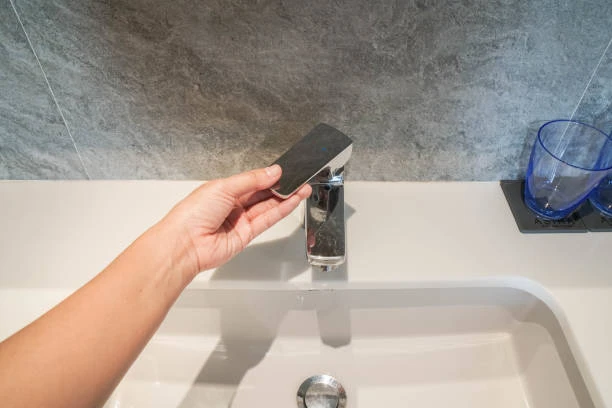
UN lavabo is an essential fixture in every home and public space. Proper maintenance ensures its functionality, cleanliness, and aesthetic appeal for years to come. With regular care, you can avoid costly repairs and extend the lifespan of your basin. This article explores effective techniques for maintaining a hand wash basin and keeping it in excellent condition.
Clean the Basin Regularly
Regular cleaning prevents the buildup of grime, soap scum, and bacteria. Use a mild detergent or a non-abrasive cleaner to clean the surface. Avoid using harsh chemicals that can damage the finish. A soft cloth or sponge works well to remove dirt without scratching the basin. Pay attention to corners and hard-to-reach areas, where dirt often accumulates. Rinse thoroughly with clean water to remove any residue from the cleaning product. Dry the surface with a soft towel to prevent water stains or streaks.
Address Stains Immediately
Stains can occur from hard water, rust, or spills. Promptly addressing stains ensures the basin maintains its pristine appearance. For hard water stains, a mixture of vinegar and water works effectively. Apply the solution, let it sit for a few minutes, and scrub gently. Rust stains may require a specialized cleaner or a paste made from baking soda and water. Apply the paste to the stained area, scrub lightly with a soft brush, and rinse thoroughly. Regular cleaning minimizes the risk of stubborn stains forming over time.
Check for Clogs in the Drain
Slow-draining water signals a potential clog. To maintain the basin’s functionality, check the drain regularly. Remove hair, soap, or debris that may obstruct the water flow. Use a drain snake or a plunger to clear minor clogs. For preventative maintenance, pour boiling water down the drain weekly. If clogs persist, consider using a safe and eco-friendly drain cleaner. Avoid pouring grease, large particles, or foreign objects into the basin, as they can cause blockages.
Inspect the Faucet and Fixtures
The faucet and fixtures contribute significantly to the basin’s overall performance. Inspect these components regularly for leaks, loose fittings, or mineral deposits. Tighten any loose screws or handles to ensure stability. Remove mineral buildup by soaking a cloth in vinegar and wrapping it around the faucet. Leave it for a few hours, then scrub gently to remove deposits. Keeping fixtures clean ensures smooth operation and a polished appearance.
Protect the Basin’s Surface
The basin’s surface can scratch or chip if exposed to heavy or sharp objects. Avoid placing heavy items directly in the basin. Use a soft liner or mat if you need to place delicate items, like glassware, in the sink. If the basin develops minor scratches, polish the surface with a suitable product designed for the basin’s material. For deeper scratches or chips, consult a professional for repairs. Protecting the surface ensures the basin remains visually appealing and functional.
Monitor the Sealant and Caulking
Sealant and caulking around the basin prevent water leaks and maintain structural integrity. Over time, these materials may crack or deteriorate. Inspect the edges of the basin regularly and replace damaged sealant or caulking. Use a high-quality silicone sealant for replacements. Clean the area thoroughly before applying the new sealant to ensure proper adhesion. Allow the sealant to cure fully before exposing it to water. This practice prevents water damage and prolongs the life of your basin.
Prevent Mold and Mildew Growth
Bathrooms provide ideal conditions for mold and mildew growth. Prevent these issues by ensuring proper ventilation in the room. Open windows or use an exhaust fan to reduce moisture levels after using the sink. Wipe the basin dry after each use to eliminate standing water. Clean any visible mold or mildew immediately using a solution of water and bleach. Regular cleaning and moisture control keep the basin hygienic and fresh.
Use Proper Cleaning Tools and Products
The right tools and cleaning products make maintenance easier and more effective. Choose soft brushes, sponges, or microfiber cloths to avoid scratching the surface. Avoid abrasive pads or steel wool, which can damage the basin. Select cleaning products suited for the basin’s material. For ceramic basins, a gentle all-purpose cleaner works well. For stainless steel or stone basins, choose products designed specifically for those surfaces. Always follow the manufacturer’s recommendations for cleaning.
Prevent Cracks and Leaks
Cracks and leaks compromise the basin’s functionality and safety. Avoid exposing the basin to sudden temperature changes, which can cause cracks. Pouring boiling water directly into a cold basin can stress the material, so let the basin adjust to room temperature first. Check for any signs of leaks under the basin or around the fixtures. Address leaks immediately to prevent water damage to surrounding areas. Tightening connections or replacing worn washers usually resolves minor leaks.
Maintain the Plumbing System
The plumbing system supporting the basin requires regular attention to ensure smooth operation. Check the pipes for leaks, corrosion, or loose fittings. Clean the P-trap regularly to remove debris and prevent odors. Replace old or damaged pipes to avoid major plumbing issues. Periodic inspections by a plumber can identify potential problems early, saving you from costly repairs. Keeping the plumbing in good condition enhances the basin’s performance.
Upgrade Components When Necessary
Modern technology offers upgrades that improve the functionality and efficiency of hand wash basins. Consider installing a touchless faucet for better hygiene and water conservation. Water-saving aerators also reduce water usage without compromising flow. If the basin or fixtures become outdated, replace them with more durable and efficient options. Modern materials often resist stains, scratches, and corrosion better than older designs. Upgrading components extends the lifespan of your basin and enhances its usability.
Educate Users on Proper Care
Everyone using the basin plays a role in maintaining its condition. Educate family members or employees on proper use and care. Encourage gentle handling of the basin and fixtures, as well as responsible disposal of waste. Provide clear instructions for cleaning and maintaining the basin. Simple habits, like wiping the basin after each use or reporting issues promptly, contribute significantly to its longevity. A well-informed user group ensures consistent care and maintenance.
Incorporate Maintenance into Routine Cleaning
Incorporate hand wash basin maintenance into your routine cleaning schedule. Allocate specific times to inspect, clean, and address potential issues. Regular attention minimizes the likelihood of major repairs and keeps the basin in optimal condition. A simple checklist can help you stay organized. Include tasks like cleaning the surface, inspecting the drain, and checking for leaks. Consistent care ensures the basin remains functional and visually appealing.
Conclusion
Maintaining a hand wash basin involves regular cleaning, timely repairs, and mindful usage. By addressing stains, leaks, and clogs promptly, you preserve its functionality and aesthetics. Proper tools and eco-friendly cleaning products ensure safe and effective maintenance. With consistent care, a well-maintained hand wash basin serves as a reliable and attractive fixture for years.
Norme internationale IFAN pour les lavabos
Les normes IFAN incluent un ensemble de certifications et de spécifications internationales, telles que les normes ASTM 2846, DIN 8079/8080, ASTM F441/F441M SCH80, DIN, GB/T série 18993, AS/NZS 1477, CSA B137.6, NSF/ANSI 14 et TIS 17-2532/1131-2535, entre autres. Ces normes garantissent la qualité, la sécurité et la fiabilité des produits, conformément aux exigences mondiales de fabrication et de performance. En adhérant à ces normes, l'IFAN garantit que ses produits répondent aux normes industrielles les plus strictes, garantissant ainsi la satisfaction de ses clients et le respect des réglementations en vigueur dans différentes régions.
Conclusion
Outre le prix d'achat initial et les coûts d'installation, l'entretien à long terme d'un lavabo est un facteur important dans la détermination de son coût total. Le matériau du lavabo, la fréquence de nettoyage et les possibilités de réparations et de remplacements contribuent tous au coût global. Un entretien approprié peut prolonger considérablement la durée de vie d'un lavabo, réduisant ainsi les remplacements coûteux. En revanche, un entretien négligé peut entraîner des réparations plus fréquentes, des coûts de nettoyage plus élevés, voire des remplacements prématurés. Par conséquent, lors du choix d'un lavabo, il est crucial de prendre en compte non seulement le coût initial, mais aussi les besoins d'entretien régulier afin de garantir son bon état et sa rentabilité à long terme.
Contact
IFAN est un fabricant professionnel fort de 30 ans d'expérience, spécialisé dans la production de tuyaux, raccords et vannes en plastique de haute qualité. Nos produits comprennent des vannes en laiton, des vannes en PPR, ainsi que divers tuyaux et raccords pour répondre aux différents besoins de nos clients. Que vous ayez besoin de tuyaux de plomberie et d'évacuation ou de vannes, IFAN propose une gamme diversifiée de produits de haute qualité et économiques pour vos projets. Vous trouverez nos coordonnées ci-dessous.
Nous répondrons à votre e-mail ou fax dans les 24 heures.
Vous pouvez nous appeler à tout moment si vous avez des questions sur notre production.
Pour plus d'informations, veuillez visiter notre site Web https://www.ifanplus.com/
Veuillez envoyer un mail à : [email protected]
WhatsApp : + 86 19857948982























