


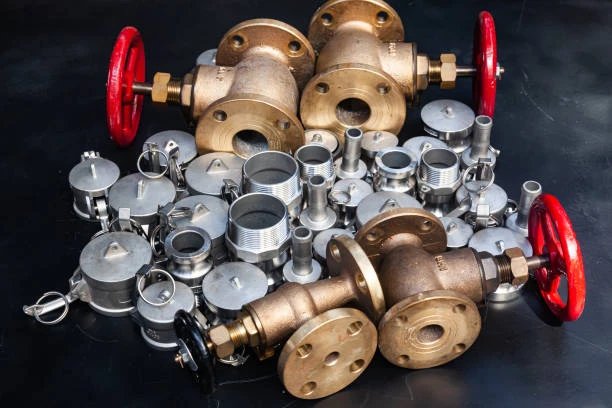
For plumbing systems where control, safety, and durability are essential, robinets à soupape en cuivre stand out as an efficient and leak-proof solution. These valves are designed to provide precise flow regulation while preventing leakage even under high pressure or frequent use. Whether in residential, commercial, or industrial environments, they offer long-term reliability thanks to their robust design and corrosion resistance. This article explores everything you need to know about leak-proof copper globe valves—from their definition and features to installation tips and comparisons with other valve types—so you can make an informed decision for your water system.
Foire aux questions (FAQ)
Q1 : À quoi sert un robinet à soupape en cuivre ?
Copper globe valves are used to control, start, and stop the flow of water in piping systems with high accuracy.
Q2: Do copper globe valves prevent leaks effectively?
Yes. With their durable body and tight-sealing internal mechanism, these valves offer excellent leak prevention.
Q3: Can these valves be used in both hot and cold water systems?
Absolutely. Copper globe valves perform reliably in both high-temperature and low-temperature water lines.
Q4: Are they suitable for drinking water applications?
Yes. Lead-free certified copper globe valves are safe and commonly used in potable water systems.
Q5: How do I install a copper globe valve without leakage?
You should follow proper preparation, use the right sealing materials, and avoid overtightening during installation.
What Are Copper Globe Valves? Definition and Key Features
Copper globe valves are mechanical valves with a spherical body and an internal plug or disc that moves perpendicular to the flow path. Turning the handwheel raises or lowers the disc, which regulates or blocks the water flow. These valves are especially useful in systems that require fine-tuned control, as they allow gradual changes in flow rather than a simple on/off function.
Key Features of Copper Globe Valves
1. Leak-Proof Design:
The internal seat and disc fit tightly together, creating a strong seal that minimizes the risk of water leakage even at high pressure.
2. Corrosion Resistance:
Copper naturally resists corrosion and mineral buildup, which helps extend valve life and maintain flow efficiency.
3. Thermal Tolerance:
These valves withstand a wide range of temperatures, making them ideal for both hot and cold water lines.
4. Durability:
Made from solid copper or copper alloys such as bronze, these valves can handle years of usage with minimal wear.
5. Flow Control Precision:
Unlike ball or gate valves, copper globe valves offer excellent control over flow rate, making them ideal for sensitive systems.
Thanks to these features, copper globe valves provide both functionality and long-term value.
Applications et industries courantes
Because of their versatility and reliability, copper globe valves are widely used in a variety of water systems across different sectors.
Usage résidentiel
Homeowners frequently use copper globe valves for:
- Shower and faucet systems requiring adjustable pressure
- Water heater inlet and outlet connections
- Garden hose bibs
- Heating system regulation
These valves help manage flow efficiently while maintaining leak-free operation in household systems.
Bâtiments commerciaux
In office buildings, schools, and hospitals, copper globe valves appear in:
- systèmes CVC
- Boiler controls
- Potable water distribution lines
- Fire suppression systems
Their reliability ensures smooth operation in high-demand environments.
environnements industriels
Factories and industrial facilities rely on copper globe valves for:
- Steam and condensate lines
- Chemical processing systems
- Cooling circuits
- Water treatment and filtration systems
These applications require strong, corrosion-resistant, and leak-proof components—making copper globe valves an excellent fit.
Buying Guide: How to Choose the Right Leak-Proof Copper Globe Valve
To ensure long-lasting, leak-free performance, it’s important to evaluate certain criteria when selecting a copper globe valve.
1. Material Quality
Choose valves made from high-grade copper or durable copper alloys such as bronze. For potable water, always go with lead-free variants to meet health and safety standards.
2. Valve Size
Ensure the valve matches your pipe diameter. Residential sizes typically range from ½ inch to 2 inches, while larger commercial or industrial systems may require higher-capacity valves.
3. Flow Pattern
Select a valve pattern that suits your layout:
- Straight pattern for uninterrupted inline flow
- Angle pattern for a 90-degree change in direction
- Y-pattern for reduced pressure drop in high-flow systems
4. Certification et conformité
Check for certifications such as NSF/ANSI standards or ISO compliance to ensure safety, performance, and code compatibility.
5. Handle Type and Operation
A comfortable, easy-to-turn handwheel or lever ensures better user experience. Color-coded handles help identify hot or cold lines quickly.
6. Pressure and Temperature Ratings
Review the specifications for maximum working pressure and temperature. Most copper globe valves handle up to 200 PSI and temperatures above 200°C.
7. Brand Reputation
Opt for trusted manufacturers known for consistent quality and after-sales support. Warranties and reviews can guide your selection process.
By carefully considering these factors, you can select the right valve that will deliver long-term, leak-free performance.
Installation Guidelines for Leak-Free Results
Even the best copper globe valve may leak if installed incorrectly. Therefore, follow these steps to ensure a secure, leak-proof installation.
1. Clean Pipe Ends Thoroughly
Before installation, cut the pipe ends cleanly and deburr them. Clean the surfaces using a wire brush or emery cloth to remove oxidation.
2. Use Quality Sealing Methods
If using threaded valves, wrap threads with PTFE tape or apply pipe thread sealant. For sweat (soldered) valves, apply flux and use lead-free solder to ensure strong, clean joints.
3. Align Flow Direction
Follow the directional arrow on the valve body. Installing it backward reduces efficiency and may cause premature failure or leakage.
4. Tighten Properly
Avoid overtightening, which can damage threads or warp the valve seat. Hand-tighten first, then use a wrench for a snug fit—just enough to seal.
5. Pressure Test the System
Once installed, turn on the water slowly and monitor for leaks. Run a pressure test to check the integrity of the joint and valve under operating conditions.
6. Routine Inspection
Inspect valves annually or after any system changes. Ensure the handwheel turns smoothly and there’s no visible corrosion or leakage.
Following these steps helps you avoid common installation mistakes that lead to leaks or mechanical issues.
Copper Globe Valves vs. Other Valve Types
Copper globe valves are not the only choice available. To understand their value, let’s compare them to valves made from PVC, stainless steel, and cast iron.
| Fonctionnalité | Robinets à soupape en cuivre | Vannes en PVC | Vannes en acier inoxydable | Vannes en fonte |
|---|---|---|---|---|
| Résistance aux fuites | Excellent | Modéré | Excellent | Bien |
| Contrôle de flux | Precise | Pauvre | Bien | Modéré |
| Résistance à la corrosion | Haut | Low (chemicals sensitive) | Très élevé | Modéré |
| Résistance thermique | Haut | Faible | Très élevé | Haut |
| Poids | Lumière | Très léger | Lourd | Très lourd |
| Facilité d'installation | Facile | Très facile | Modéré | Difficile |
| Durée de vie | Long | Modéré | Très long | Long |
| Application | Residential/Commercial/Industrial | Mostly Residential | Industriel | Industrial/Heavy-Duty |
| Coût | Modéré | Faible | Haut | Modéré |
From the table above, it’s clear that copper globe valves strike a strong balance between performance, ease of use, and affordability. While they may cost more than plastic valves, their durability, leak resistance, and control precision more than justify the investment.
Conclusion
Leak-proof copper globe valves offer an ideal solution for regulating water flow in residential, commercial, and industrial settings. Their robust design, corrosion resistance, and accurate control capabilities ensure long-lasting, efficient operation without leakage. From water heaters and shower systems to industrial cooling and boiler rooms, copper globe valves adapt to various demands with reliability and ease.
By understanding their features, choosing the right specifications, and following correct installation procedures, users can enjoy years of maintenance-free service. When compared to other materials, copper globe valves consistently deliver superior performance and safety for water systems.
If you’re planning your next plumbing upgrade or specifying valves for a new system, consider the proven advantages of leak-proof copper globe valves—they provide control, efficiency, and peace of mind in every application.
Contactez l'IFAN pour les catalogues et les échantillons
Besoin de documents techniques, de catalogues ou d'échantillons ? Contactez l'IFAN dès aujourd'hui.
📧 Courriel : [email protected]
📱 Whatsapp : +86 19857948982
Notre équipe répond rapidement et fournit un soutien professionnel pour tous vos besoins en matière de pipeline.
Norme internationale IFAN
Les raccords et tubes à compression en PEHD d'IFAN sont conformes à un large éventail de normes internationales, garantissant des performances élevées et une compatibilité mondiale. Parmi celles-ci figurent les normes ASTM D3035 et ASTM D3350 des États-Unis, les normes ISO 4427 et EN 12201 d'Europe, les normes DIN 8074/8075 d'Allemagne, GB/T 13663 de Chine, AS/NZS 4130 d'Australie et de Nouvelle-Zélande, JIS K6760 du Japon, BS 6572 du Royaume-Uni et CSA B137.1 du Canada. Le respect de ces normes garantit d'excellentes propriétés mécaniques, une résistance chimique et une durabilité à long terme pour diverses applications industrielles et d'approvisionnement en eau.























