


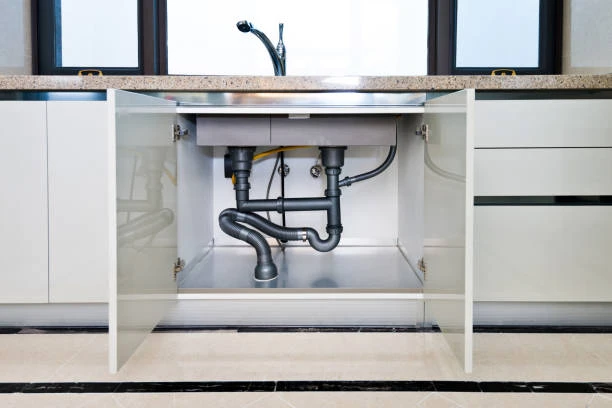
PPR quick elbow fittings provide flexible, reliable connections for plumbing systems, making them a strong choice for earthquake-resistant designs in seismic-prone areas. This guide explores key strategies for designing PPR quick-connect pipe systems to withstand earthquakes, focusing on the benefits of PPR quick elbow fittings. You’ll find answers to common questions, a buying guide, installation tips for seismic resilience, and a comparison of PPR with other materials. By selecting high-quality fittings and following these methods, you can create a durable, secure system. Whether you’re a contractor working on a seismic retrofit or a homeowner in an earthquake zone, this article helps you optimize PPR quick-connect systems for safety and reliability.
Common Questions About PPR Quick Elbow Fittings
1. What Are PPR Quick Elbow Fittings?
PPR quick elbow fittings are 90-degree connectors made from polypropylene random copolymer, designed for fast, tool-free pipe connections. They offer flexibility and strength, ideal for earthquake-resistant plumbing systems.
2. Why Are PPR Quick Elbow Fittings Suitable for Earthquake Zones?
Their flexibility and secure connections absorb seismic stress, reducing the risk of pipe breaks or leaks during earthquakes when installed with proper supports.
3. Can PPR Quick Elbow Fittings Handle Both Hot and Cold Water?
Yes, they withstand temperatures up to 95°C (203°F), making them versatile for hot and cold water systems in earthquake-prone areas.
4. What Causes PPR Pipe Failures During Earthquakes?
Failures often result from inadequate supports, rigid layouts, or poor connections. Flexible designs and secure fittings prevent damage during seismic activity.
5. How Long Do PPR Quick Elbow Fittings Last in Seismic Regions?
With proper installation, they last over . Their corrosion-resistant material ensures durability, even under the stress of frequent earthquakes.
Qu'est-ce qu'un système de tuyauterie PPR ?
A PPR piping system uses polypropylene random copolymer, a lightweight and durable thermoplastic, to create pipes and fittings for fluid transport. PPR systems excel in corrosion resistance, thermal stability, and flexibility, making them ideal for earthquake-resistant designs. PPR quick elbow fittings enable rapid, secure connections without welding or glue, providing flexibility to absorb seismic vibrations. Their smooth inner surfaces reduce friction, ensuring efficient water flow and preventing clogs, even in high-stress conditions. PPR is eco-friendly, recyclable, and energy-efficient to produce, offering a sustainable alternative to metal pipes. These qualities make PPR quick elbow fittings a reliable choice for seismic-resilient plumbing systems.
Utilisations courantes et applications industrielles
PPR quick elbow fittings are versatile, supporting earthquake-resistant plumbing across various sectors. Here’s where they’re commonly used:
- Bâtiments résidentiels: Homeowners in seismic zones use PPR quick elbow fittings for water supply lines, ensuring flexible, secure connections that withstand earthquakes.
- Commercial Structures: Offices, hotels, and malls rely on PPR for water and heating systems, with elbow fittings providing resilience in high-rise or seismic-prone buildings.
- Établissements de santé: Hospitals use PPR for potable water and HVAC systems, where quick elbow fittings ensure reliable performance during seismic events.
- Educational Institutions: Schools and universities in earthquake zones use PPR fittings for water systems, leveraging their flexibility for safety and durability.
- Installations industrielles: Factories use PPR for fluid transport, with quick elbow fittings enabling flexible layouts that resist seismic stress and maintain system integrity.
Their flexibility and reliability make PPR quick elbow fittings a top choice for earthquake-resistant plumbing.
Buying Guide for PPR Quick Elbow Fittings
Choosing high-quality PPR quick elbow fittings ensures seismic resilience and system reliability. Consider these factors:
- Qualité des matériaux: Select fittings made from virgin polypropylene for flexibility and durability. Low-grade materials may crack under seismic stress.
- Cohérence des couleursLes raccords PPR sont disponibles en vert, blanc ou gris. Bien que la couleur n'affecte pas les performances, le vert est courant pour les systèmes d'eau, garantissant un aspect cohérent.
- Compatibilité des tailles: Match the fitting’s diameter to your pipes (e.g., 20mm, 25mm, or 32mm). Proper sizing ensures secure connections that resist earthquake vibrations.
- Certifications: Look for fittings meeting standards like ISO 15874 or DIN 8077/8078. These certifications guarantee quality and suitability for seismic applications.
- Fiabilité de la marque: Choose trusted brands like IFAN, with of experience in producing PPR fittings. Reputable manufacturers ensure resilient products.
Buying from reliable suppliers prevents issues with counterfeit fittings that could fail during earthquakes.
Installation Tips for Earthquake Resistance
To design earthquake-resistant PPR quick-connect systems with quick elbow fittings, follow these installation tips:
- Use Flexible Layouts: Incorporate gentle bends with elbow fittings to allow pipes to flex during seismic activity. Avoid rigid, straight runs that can crack under stress.
- Install Seismic Supports: Use flexible pipe clamps or seismic-rated brackets every 1–1.5 meters to stabilize pipes, reducing strain on elbow fittings during earthquakes.
- Couper les tuyaux avec précision: Use a sharp pipe cutter for clean, straight cuts and smooth edges with a deburring tool. Precise cuts ensure tight seals that withstand seismic vibrations.
- Sécurisez fermement les connexions: Push pipes fully into elbow fittings until they click or lock. Verify connections to prevent leaks during earthquake-induced movements.
- Test Under Stress: After installation, simulate stress by running water at operating pressure and shaking pipes lightly. Use a pressure gauge to confirm system integrity.
These tips, combined with the manufacturer’s guidelines, ensure PPR quick elbow fittings deliver seismic-resistant performance.
PPR vs. autres matériaux de tuyauterie
To understand why PPR quick elbows fittings excel in earthquake-resistant designs, here’s a comparison with other piping materials:
| Fonctionnalité | PPR | Cuivre | PVC | CPVC |
|---|---|---|---|---|
| Seismic Resilience | Excellent; flexible | Poor; rigid | Moderate; brittle | Moderate; less flexible |
| Résistance à la corrosion | Excellent; pas de rouille | Sujet à la corrosion | Bon; pas de rouille | Bon; pas de rouille |
| Tolérance à la température | Jusqu'à 95°C | Jusqu'à 200°C | Jusqu'à 60°C | Jusqu'à 82°C |
| Facilité d'installation | Rapide (connexion rapide) | Lent (soudure) | Modéré (colle) | Modéré (colle) |
| Durabilité | 50+ ans | 50+ ans | 25–40 ans | 25–40 ans |
| Coût | Abordable | Cher | Très abordable | Abordable |
| Respect de l'environnement | Recyclable, faible consommation d'énergie | Recyclable, haute énergie | Non recyclable | Recyclabilité limitée |
PPR’s flexibility and quick-connect design provide superior seismic resilience compared to copper’s rigidity or PVC/CPVC’s brittleness. PPR matches copper’s durability while being more affordable and eco-friendly, making it ideal for earthquake-resistant plumbing.
Conclusion
PPR quick elbow fittings offer a flexible, reliable solution for earthquake-resistant plumbing systems, ensuring secure connections in seismic-prone areas. By using flexible layouts, seismic supports, and precise installation techniques, you can create durable, leak-free systems. Their versatility spans residential, commercial, and industrial applications, making them a top choice for seismic designs. Compared to copper, PVC, or CPVC, PPR provides unmatched flexibility, affordability, and sustainability. For your next project in an earthquake zone, trust PPR quick elbow fittings and these strategies to deliver safe, resilient performance.
Contactez l'IFAN pour les catalogues et les échantillons
Besoin de documents techniques, de catalogues ou d'échantillons ? Contactez l'IFAN dès aujourd'hui.
📧 Courriel : [email protected]
📱 Whatsapp : +86 19857948982
Notre équipe répond rapidement et fournit un soutien professionnel pour tous vos besoins en matière de pipeline.
Norme internationale IFAN
Les systèmes de tuyauterie IFAN sont conformes à un large éventail de normes internationales pour garantir une qualité et des performances élevées. Parmi celles-ci figurent les normes ASTM F1974 et ASTM F1281 pour les systèmes de tuyauterie multicouche, la norme CSA B137 pour les applications de plomberie canadiennes, la norme DIN 16836 pour les spécifications techniques allemandes, la norme GB18997 pour les normes chinoises et la norme ISO 21003, qui couvre les systèmes de tuyauterie multicouche utilisés pour les installations d'eau chaude et froide. Ce large champ de certification souligne l'engagement de l'IFAN en matière de conformité mondiale et de fiabilité des produits.























