


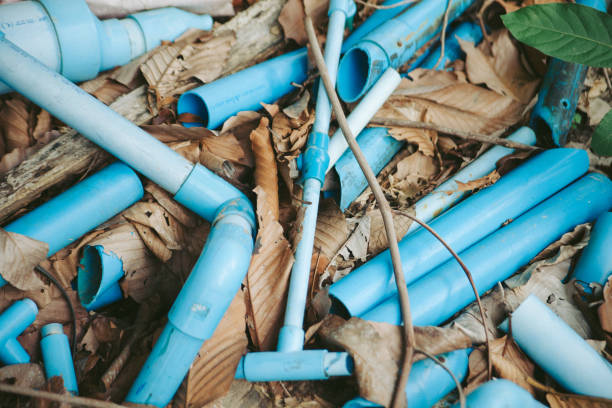
CPVC tubing ensures excellent hygiene in systems that transport water and other fluids. Its design, material structure, and resistance to microbial activity make it ideal for clean water delivery. This material protects water quality in various settings such as residential homes, hospitals, laboratories, food processing facilities, and pharmaceutical plants.
Understanding the Hygienic Nature of CPVC
CPVC, or chlorinated polyvinyl chloride, begins as PVC. During manufacturing, engineers introduce chlorine into the polymer structure. This chemical alteration enhances the material’s resistance to heat, corrosion, and contamination. These changes improve the tubing’s ability to deliver clean, uncontaminated water over extended periods.
Smooth Surface Resists Biofilm
Many bacteria settle and grow inside rough pipes, forming biofilms. These slimy layers can clog pipes, reduce flow, and contaminate water. CPVC tubing contains an ultra-smooth inner surface that prevents biofilm development. Water flows freely through CPVC pipes without dragging contaminants along.
No Nutrient Support for Microbes
Pipe materials that leach plasticizers, heavy metals, or other compounds into the water often feed bacteria. These materials contribute to microbial growth and threaten hygiene. CPVC tubing eliminates this risk entirely. Its structure does not release harmful elements or support nutrient buildup.
Bacterial Resistance Without Additives
Some pipe materials require antimicrobial coatings to remain safe. These coatings wear out over time and introduce chemicals into the water. CPVC requires no such additives. The material itself resists bacterial intrusion.
Compliance with Drinking Water Standards
CPVC tubing meets global standards for potable water. Regulatory bodies such as NSF International, ASTM, ISO, and WRAS approve CPVC for use in residential and commercial water systems. These certifications confirm that CPVC does not alter the water’s taste, odor, or chemical composition.
Corrosion-Free Operation
Corroded pipes create rough patches where bacteria grow easily. CPVC avoids corrosion entirely. It does not rust or pit, even in chemically treated or mineral-rich water. This long-term corrosion resistance ensures water systems remain clean from the inside out.
Scale Prevention Enhances Cleanliness
In hard water environments, minerals such as calcium and magnesium cause scale deposits. These crusty layers support bacterial colonies and reduce water flow. CPVC resists scaling. Its smooth inner wall prevents minerals from sticking.
Temperature Stability Maintains Sanitation
High temperatures often promote bacterial growth. CPVC tubing operates safely at continuous temperatures up to 93 degrees Celsius. This heat resistance prevents microbial growth even in hot water systems.
Chemical Resistance Supports Sterilization
Disinfectants and cleaning chemicals play a major role in sanitary systems. CPVC tubing resists damage from chlorine, chloramines, ozone, peroxides, and other sanitation chemicals. Facility staff can sterilize CPVC piping systems without reducing their life span.
Long-Term Reliability Without Contamination
Over time, many pipe materials degrade or release contaminants. CPVC avoids these problems. The material does not weaken, crack, or soften with age. It retains its smooth, inert surface and avoids buildup of grime or bacteria.
Neutral Taste and Odor
Water should taste like water. CPVC ensures this outcome. It does not affect water taste, odor, or clarity. In contrast, metals such as copper and galvanized steel can change water’s flavor and smell over time.
Application Across Industries
CPVC tubing fits many industries that depend on hygiene. Each setting presents different challenges, but CPVC consistently performs well in the following environments:
Plomberie résidentielle
CPVC brings clean water to sinks, showers, and washing machines. It resists scaling and supports long-term hygiene. Families enjoy safe water from every tap.
Hospitals and Clinics
Healthcare systems cannot tolerate contamination. CPVC supports sterile hot and cold water delivery, helping hospitals protect patients and staff.
Food and Beverage Plants
CPVC tubing resists cleaning chemicals and supports hygiene on food lines. It plays a vital role in meat processing, beverage bottling, and commercial kitchens.
Laboratories and Cleanrooms
Cleanrooms demand high-purity water systems. CPVC prevents leaching, microbial growth, and chemical contamination. Scientists and technicians depend on it for research and product development.
Hotels and Apartment Buildings
High-rise structures require durable, clean plumbing. CPVC handles high pressure and temperature without compromising water purity.
CPVC vs Other Pipe Materials
Each piping material offers different hygiene properties. CPVC outperforms many alternatives when it comes to cleanliness and safety.
Cuivre
Copper has natural antimicrobial properties but also corrodes and releases ions. These ions may harm infants or sensitive users. CPVC avoids this problem entirely.
Acier galvanisé
Steel pipes rust and scale over time. These conditions attract bacteria. CPVC remains rust-free and smooth throughout its life.
PEX (Crosslinked Polyethylene)
PEX performs well in residential systems, but it cannot handle strong disinfectants or extreme heat. It may also leach small amounts of organics. CPVC tolerates more aggressive conditions and resists contamination better.
Polypropylène
PP piping provides basic hygiene but lacks CPVC’s chemical resistance and temperature strength. In demanding systems, CPVC provides superior results.
Installation Practices That Maintain Hygiene
Installers should follow proper procedures to protect the tubing during setup. Keeping materials clean and using appropriate tools ensures safe operation from day one.
Clean cutting tools reduce dust and debris. Workers should seal pipe ends when transporting or storing tubing. During assembly, installers must use only CPVC-approved solvent cements. These compounds create strong, leak-free joints without introducing contamination.
Hygiene-Friendly Maintenance
Once installed, CPVC tubing requires minimal effort to maintain. Periodic inspection ensures no damage or discoloration exists. Technicians may flush unused branches or loops to prevent water stagnation.
Operators should clean the system with approved chemicals only. CPVC resists damage from many cleaning agents, but using the correct concentrations preserves material strength.
Environmental Hygiene and System Longevity
CPVC supports environmental hygiene in addition to water quality. Because the material lasts decades, it reduces plastic waste and resource consumption. Manufacturers now offer lead-free and low-leach CPVC formulations that meet evolving health and safety guidelines.
Conclusion
CPVC tubing offers exceptional hygienic performance. Its smooth interior, resistance to chemicals and microbes, and durability make it ideal for water systems that prioritize cleanliness. Whether used in homes, hospitals, or industrial facilities, CPVC tubing protects public health and ensures water remains clean and safe.
Designers and installers continue to choose CPVC for its unmatched sanitary qualities. With proper installation and basic upkeep, CPVC maintains a hygienic environment from the first day through decades of use.
Norme internationale IFAN
Les produits en PEHD d'IFAN sont conformes à diverses normes internationales, garantissant qualité, durabilité et fiabilité. Parmi ces normes figurent les normes ASTM D3035 et ASTM D3350, qui définissent les spécifications des tubes et matériaux en polyéthylène (PE). Les normes ISO 4427 et EN 12201 établissent des références mondiales pour les tubes en PE utilisés dans les réseaux d'approvisionnement en eau. De plus, les normes DIN 8074/8075 et GB/T 13663 établissent les exigences de performance et de dimension des tubes en PEHD sur les marchés européen et chinois. D'autres normes reconnues, telles que AS/NZS 4130 (Australie/Nouvelle-Zélande), JIS K6760 (Japon), BS 6572 (Royaume-Uni) et CSA B137.1 (Canada), témoignent de l'engagement d'IFAN à respecter les réglementations industrielles mondiales.
Contact
IFAN est un fabricant professionnel fort de 30 ans d'expérience, spécialisé dans la production de tuyaux, raccords et vannes en plastique de haute qualité. Nos produits comprennent des vannes en laiton, des vannes en PPR, ainsi que divers tuyaux et raccords pour répondre aux différents besoins de nos clients. Que vous ayez besoin de tuyaux de plomberie et d'évacuation ou de vannes, IFAN propose une gamme diversifiée de produits de haute qualité et économiques pour vos projets. Vous trouverez nos coordonnées ci-dessous.
Nous répondrons à votre e-mail ou fax dans les 24 heures.
Vous pouvez nous appeler à tout moment si vous avez des questions sur notre production.
Pour plus d'informations, veuillez visiter notre site Web https://www.ifanplus.com/
Veuillez envoyer un mail à : [email protected]
WhatsApp : + 86 19857948982























