


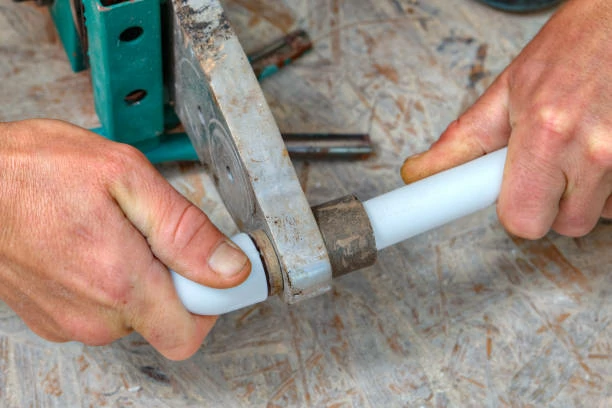
Introduction à Plomberie PPR Fusion Technology
PPR Plumbing are increasingly popular due to their durability, flexibility, and environmental benefits. Understanding the heat fusion technique is crucial for effective installation and long-term performance.
Basic Principle of Heat Fusion
Heat fusion involves heating the pipe and fitting surfaces to a molten state, then joining them. The process forms a homogenous joint that is as strong as the pipe itself, ensuring a leak-free system.
Composants clés
The key components required for heat fusion include the PPR Plumbings and fittings, a heat fusion machine, heating elements, and alignment tools. Proper preparation of these components is essential for successful connections.
Types of Heat Fusion
There are three main types of heat fusion used with PPR Plumbings: socket fusion, butt fusion, and electrofusion. Each method has specific applications and requires different techniques and equipment.
Fusion de sockets
Socket fusion involves inserting a heated pipe end into a heated socket fitting. This method is suitable for small to medium-sized pipes. It ensures precise alignment and strong joints.
Fusion des fesses
Butt fusion joins two pipe ends by heating them and pressing them together. This method is used for larger pipes and requires precise alignment to ensure a uniform joint.
Électrofusion
Electrofusion uses a fitting with built-in electrical heating elements. The heating elements melt the pipe and fitting surfaces, creating a strong bond. This method is suitable for various pipe sizes and ensures consistent results.
Preparation for Heat Fusion
Proper preparation is critical for successful heat fusion. Clean the pipe ends and fittings thoroughly to remove dirt, grease, and debris. Ensure the heating elements are clean and in good condition.
Heating the Components
Heat the pipe and fitting surfaces using the appropriate heating tool. Maintain the correct temperature to achieve a molten state without degrading the material. Follow manufacturer guidelines for heating times and temperatures.
Joining the Components
Join the heated pipe and fitting surfaces immediately after heating. Apply even pressure to ensure a uniform bond. Align the components accurately to avoid misalignment and weak joints.
Cooling and Inspection
Allow the joint to cool naturally without disturbance. Inspect the joint for uniformity and proper fusion. Check for signs of incomplete fusion, such as gaps or misalignment.
Advantages of Heat Fusion
Heat fusion offers several advantages. It creates strong, leak-free joints that match the pipe’s strength. The process is quick, efficient, and suitable for various pipe sizes and applications.
Applications of PPR Heat Fusion
PPR heat fusion is used in various applications, including residential plumbing, industrial piping, and HVAC systems. It ensures reliable connections in both hot and cold water systems, contributing to system longevity and efficiency.
Avantages environnementaux
PPR Plumbings and heat fusion techniques are environmentally friendly. The material is recyclable and has a lower environmental impact compared to metal pipes. The fusion process reduces the need for chemical adhesives and solvents.
Considérations de sécurité
Ensure safety during the heat fusion process. Use appropriate personal protective equipment (PPE) such as gloves and safety glasses. Follow manufacturer guidelines and safety protocols to prevent accidents and injuries.
Dépannage des problèmes courants
Identify and address common issues in heat fusion. Ensure proper heating times and temperatures to avoid weak joints. Check for contamination and ensure proper alignment to prevent joint failure.
Formation et certification
Proper training and certification are essential for successful heat fusion. Ensure personnel are trained in the specific fusion techniques and equipment used. Certification programs provide standardization and quality assurance.
Maintenance of Fusion Equipment
Maintain fusion equipment regularly to ensure optimal performance. Clean and inspect heating elements and alignment tools. Replace worn or damaged parts to prevent equipment failure and ensure consistent results.
Industry Standards and Guidelines
Follow industry standards and guidelines for PPR heat fusion. Organizations such as ASTM and ISO provide specifications for materials, equipment, and procedures. Adhering to these standards ensures quality and reliability.
Conclusion
PPR heat fusion is a reliable and efficient method for joining pipes. Understanding the principles and techniques ensures strong, leak-free joints. Proper preparation, execution, and maintenance contribute to the system’s longevity and performance. By following industry standards and safety protocols, professionals can achieve consistent and high-quality results with PPR heat fusion.
Contact
IFAN Fort de 30 ans d'expérience, nous sommes un fabricant professionnel de tuyaux, raccords et vannes en plastique de haute qualité. Nos produits comprennent des vannes en laiton, des vannes en PPR, ainsi que divers tuyaux et raccords pour répondre aux différents besoins de nos clients. Que vous ayez besoin de tuyaux de plomberie et d'évacuation ou de vannes, IFAN Nous proposons une gamme diversifiée de produits de haute qualité et économiques pour soutenir vos projets. Vous trouverez ci-dessous nos coordonnées.
Nous répondrons à votre e-mail ou fax dans les 24 heures.
Vous pouvez nous appeler à tout moment si vous avez des questions sur notre production.
Pour plus d'informations, veuillez visiter notre site Web https://www.ifanplus.com/
Veuillez envoyer un mail à : [email protected]























