


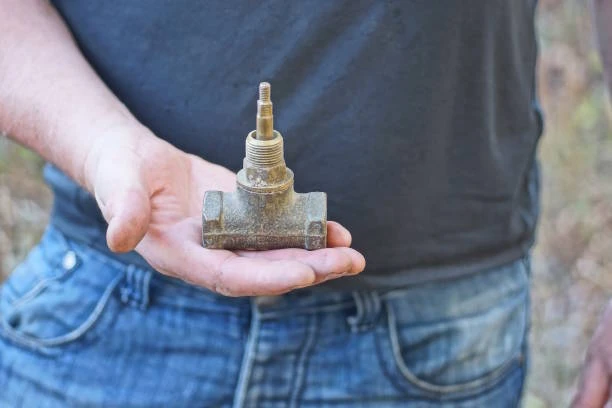
Raccords de pression en laiton play a vital role in plumbing and mechanical systems where strength, reliability, and resistance to pressure matter most. Whether installed in residential piping networks, industrial fluid systems, or commercial HVAC lines, these fittings have proven their long-term performance under high-stress conditions. Thanks to their excellent material properties, ease of installation, and corrosion resistance, brass pressure fittings have become a preferred choice for professionals around the world. This article explores what makes them so reliable, where they are used, how to select the right fittings, and how they compare to alternatives.
Foire aux questions (FAQ)
Q1: What are brass pressure fittings made from?
A: Brass pressure fittings are made from a copper-zinc alloy, often with added elements like lead or silicon for improved performance, depending on their intended use.
Q2: Where are brass pressure fittings commonly used?
A: They are used in residential plumbing, industrial piping systems, HVAC networks, gas lines, and irrigation setups.
Q3: Can brass pressure fittings be used with both hot and cold water?
A: Yes, brass fittings work well in both hot and cold water systems due to their excellent thermal resistance.
Q4: Are brass pressure fittings safe for drinking water systems?
A: Yes, when certified as lead-free under standards like NSF/ANSI 61 or equivalent, they are safe for potable water applications.
Q5: How long do brass pressure fittings typically last?
A: When installed properly and used under normal conditions, they can last for several decades without corrosion or leakage.
Understanding Brass Pressure Fittings: Definition and Features
Brass pressure fittings are mechanical connectors designed to join pipes and regulate fluid flow in pressurized systems. These fittings come in a wide range of shapes and configurations, such as elbows, tees, couplings, reducers, and threaded adapters. Their main function is to create a secure, leak-free connection between two or more pipe segments, even when exposed to high internal pressure.
Caractéristiques principales
Several unique features make brass pressure fittings a preferred option:
- High mechanical strength
Brass offers excellent tensile strength, making it suitable for high-pressure applications. - Résistance à la corrosion
It resists rust and degradation in water, air, and many chemicals. - Thermal durability
It tolerates a wide range of temperatures without deforming or cracking. - Usinabilité
Brass can be precisely machined, ensuring accurate thread connections and tight seals. - Facilité d'installation
Most fittings can be connected using simple tools without specialized equipment.
Utilisations courantes et secteurs d'application
Brass pressure fittings are suitable for various systems that require reliability, pressure resistance, and longevity. They are used across many industries because of their versatility.
Systèmes d'eau résidentiels
In home plumbing, brass fittings are used to join copper, PEX, and CPVC pipes for kitchen, bathroom, and heating systems. Their compatibility with hot water makes them ideal for water heaters and boilers.
Bâtiments commerciaux
Office buildings, hospitals, schools, and hotels use brass fittings in their water supply and drainage networks. Their resistance to corrosion and pressure helps prevent leaks and service interruptions.
Systèmes industriels
Factories and manufacturing plants use brass fittings in compressed air lines, hydraulic systems, fuel pipelines, and cooling circuits. They can withstand vibration, heat, and pressure fluctuations common in industrial environments.
Systèmes CVC
In heating and cooling systems, brass fittings handle refrigerants, water, and glycol with minimal wear, supporting long-term performance and low maintenance.
Agriculture et irrigation
Brass pressure fittings are popular in agricultural settings because they resist mineral build-up, UV exposure, and water-related wear.
Marine et automobile
They are also used in marine systems and vehicle engines for fuel, oil, or coolant lines due to their excellent corrosion resistance.
Guide d'achat : Comment choisir les bons raccords de pression en laiton
Choosing the correct brass fitting requires evaluating the application, environmental conditions, and fitting specifications. The right fitting ensures safety, durability, and optimal performance.
1. Composition du matériau
Always check whether the brass is lead-free, especially for potable water systems. Lead-free brass (typically less than 0.25% lead) is required by many regulations and is safer for health.
2. Type of Connection
Brass fittings are available in several connection types:
- Raccords filetés for metal-to-metal seals.
- Raccords à compression for easy installation on copper or plastic pipes.
- Flare fittings for high-pressure applications.
- Push-to-connect for quick and tool-free connections.
Choose the type that matches your system design and installation needs.
3. Size and Pressure Rating
Fittings must match the pipe size and withstand the maximum system pressure. Check the fitting’s pressure rating, typically measured in PSI or bar.
4. Certifications
Look for industry-recognized standards such as:
- NSF/ANSI 61 for potable water
- ASTM B16, B62 for material grade
- CSA and UPC certifications for regional compliance
5. Appearance and Quality
High-quality fittings should have smooth threads, uniform color, and no visible cracks or surface defects. Poor casting or machining may compromise performance.
6. Packaging and Branding
Well-known brands often provide fittings that pass rigorous quality control. Reputable packaging and clear labeling help ensure you receive the correct item.
Conseils d'installation et bonnes pratiques
Proper installation extends the lifespan of brass pressure fittings and ensures leak-free connections. Follow these key guidelines:
Inspect Components Before Use
Always inspect the fitting and pipe ends for damage, debris, or wear before beginning installation.
Clean the Threads and Sealing Surfaces
Debris or oil can interfere with sealing. Use a wire brush or cloth to clean threads and ends.
Use Proper Sealants
Threaded fittings usually require PTFE tape or pipe joint compound. Avoid overapplying, as this can affect tightening.
Serrer de manière appropriée
Over-tightening may crack the fitting, while under-tightening may lead to leaks. Hand-tighten first, then use a wrench for the final turn.
Test de pression après l'installation
Before system operation, perform a pressure test to confirm that all joints are secure and leak-free.
Éviter les croisements de fils
When installing threaded fittings, always align threads properly to prevent damage during tightening.
Brass Pressure Fittings vs. Other Materials
When choosing fittings, it’s important to compare brass with other commonly used materials such as plastic (PVC, CPVC) and stainless steel.
| Fonctionnalité | Raccords de pression en laiton | Raccords en plastique | Raccords en acier inoxydable |
|---|---|---|---|
| Résistance à la pression | Haut | Moyen | Très élevé |
| Résistance à la corrosion | Excellent | Excellent | Excellent |
| Thermal Tolerance | Large gamme | Limité | Très large |
| Difficulté d'installation | Faible | Très faible | Modéré |
| Coût | Modéré | Faible | Haut |
| Durée de vie | Long | Moyen | Très long |
| Eau potable sûre | Oui (si certifié) | Oui | Oui |
| Usinabilité | Haut | Faible | Modéré |
Brass pressure fittings strike an effective balance between performance, durability, and affordability. They outperform plastic in strength and temperature tolerance and are easier to install than stainless steel, making them ideal for most medium- to high-pressure systems.
Conclusion
Brass pressure fittings are a proven solution for demanding piping systems that require strength, durability, and resistance to pressure and corrosion. Their ability to perform reliably across various industries—from residential plumbing to industrial fluid transport—makes them an essential component in modern infrastructure.
When selected carefully and installed correctly, brass fittings offer leak-free operation and long-term peace of mind. By understanding the key features, uses, and comparison points, you can choose fittings that meet your specific needs and ensure system reliability for years to come.
Whether you’re a professional installer or a property owner planning system upgrades, brass pressure fittings offer a smart, lasting choice for efficient and safe fluid control.
Contactez l'IFAN pour les catalogues et les échantillons
Besoin de documents techniques, de catalogues ou d'échantillons ? Contactez l'IFAN dès aujourd'hui.
📧 Courriel : [email protected]
📱 Whatsapp : +86 19857948982
Notre équipe répond rapidement et fournit un soutien professionnel pour tous vos besoins en matière de pipeline.
Norme internationale IFAN
Les systèmes de tuyauterie IFAN sont conformes à un large éventail de normes internationales pour garantir une qualité et des performances élevées. Parmi celles-ci figurent les normes ASTM F1974 et ASTM F1281 pour les systèmes de tuyauterie multicouche, la norme CSA B137 pour les applications de plomberie canadiennes, la norme DIN 16836 pour les spécifications techniques allemandes, la norme GB18997 pour les normes chinoises et la norme ISO 21003, qui couvre les systèmes de tuyauterie multicouche utilisés pour les installations d'eau chaude et froide. Ce large champ de certification souligne l'engagement de l'IFAN en matière de conformité mondiale et de fiabilité des produits.























