


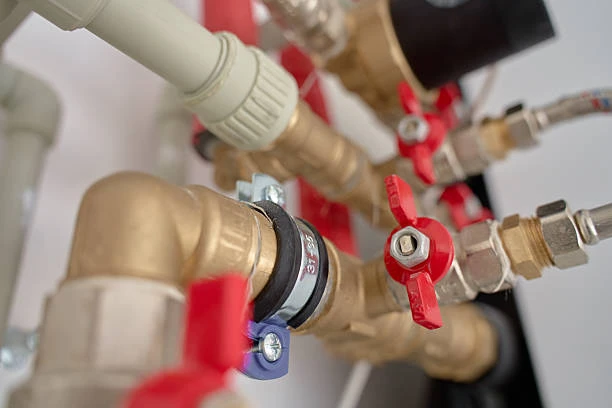
Vannes d'arrêt en laiton play a critical role in maintaining plumbing systems. These small yet powerful devices help control the flow of water and other fluids, offering users the ability to isolate sections of a system quickly and easily. One of the greatest advantages of using a brass shut off valve is its ability to extend the overall lifespan of plumbing infrastructure. Thanks to their strength, corrosion resistance, and reliability, these valves are ideal for homes, commercial buildings, and industrial setups. In this article, we will explore how brass shut off valves work, where they are used, how to choose the right one, and why they are superior to other materials.
Foire aux questions (FAQ)
What does a brass shut off valve do?
It controls the flow of water or gas in a plumbing system, allowing for quick shutoff during maintenance or emergencies.
Is brass a good material for plumbing valves?
Yes. Brass offers durability, pressure resistance, and excellent corrosion resistance, making it ideal for plumbing applications.
Are brass shut off valves safe for drinking water?
Yes, as long as they are lead-free and certified for potable water systems by organizations such as NSF or ANSI.
How long can a brass shut off valve last?
A high-quality brass valve can last 20 years or more with proper installation and occasional maintenance.
Can brass shut off valves be used outside?
Absolutely. Brass handles outdoor conditions well, including exposure to weather and changes in temperature.
Définition et caractéristiques principales des vannes d'arrêt en laiton
A brass shut off valve is a plumbing device that allows users to manually open or close the flow of water or gas in a pipe. It is made primarily from brass, an alloy of copper and zinc known for its mechanical strength and resistance to rust.
Several key features make brass shut off valves particularly reliable:
- Résistance à la corrosion: Brass resists rust, scaling, and mineral buildup, especially in areas with hard water.
- High pressure and temperature tolerance: These valves can handle both hot and cold water systems without deforming or leaking.
- Leak-tight performance: When properly installed, brass valves provide a secure, leak-free seal.
- Configurations multiples: Available in straight, angle, ball, or gate designs to fit different installation needs.
- Longue durée de vie: Brass outlasts many plastic or zinc alloy alternatives, reducing the need for replacements.
Thanks to these properties, brass shut off valves are a reliable choice for extending system performance and longevity.
Common Uses and Industries That Benefit from Brass Shut Off Valves
Brass shut off valves are used across a wide range of industries. Their strength and dependability make them a standard feature in many systems.
Plomberie résidentielle
In homes, brass shut off valves are often located under sinks, near toilets, and at the water heater inlet. They help isolate sections of the plumbing for repairs or replacements.
Bâtiments commerciaux et institutionnels
Offices, schools, hospitals, and hotels rely on brass valves to manage water flow in bathrooms, kitchens, and mechanical rooms.
Irrigation et aménagement paysager
In outdoor environments, brass shut off valves are used to control water distribution for sprinkler systems, hose bibs, and drip irrigation lines.
Applications industrielles
Factories, laboratories, and processing plants use brass valves to handle fluids in pressurized systems, cooling units, or machinery that requires fluid regulation.
Marine and Recreational Vehicles
Boats and RVs often use brass shut off valves due to their compact size and durability under vibration and temperature fluctuation.
In all these sectors, brass shut off valves provide consistent performance and reliable control over fluid systems.
Buying Guide: How to Choose the Right Brass Shut Off Valve
Selecting the right brass shut off valve requires attention to application-specific factors. Below are the main points to consider.
Matériel et certification
Make sure the valve is solid brass—not brass-plated. For drinking water systems, look for valves certified as lead-free by NSF, ANSI, or CSA.
Type de vanne
- Vannes à boisseau sphérique are ideal for quick shutoff and full flow.
- Vannes à guillotine are used for regulating flow over long periods.
- Angle valves are best in tight spaces like behind toilets.
- Straight valves offer direct flow paths and are easy to install.
Type de connexion
Choose a connection that matches your plumbing:
- Raccords à compression for copper pipes
- extrémités filetées for metal-to-metal connections
- Push-to-connect for easy installation with PEX or CPVC
Taille de la vanne
Most household installations use 1/2-inch or 3/4-inch valves. Always match the valve size with your pipe diameter for optimal performance.
Conception de la poignée
Lever handles provide quick operation and a clear open/closed position. Round twist handles are more compact but may require more effort to operate.
Operating Conditions
Check the maximum pressure and temperature ratings. Many brass valves are rated up to 150 PSI and can handle temperatures up to 200°F.
With these factors in mind, you can confidently select a brass shut off valve that meets the needs of your specific system.
Installation Tips for Maximum Durability
A brass shut off valve performs best when installed properly. Here are key installation tips to ensure longevity:
Turn Off Main Supply
Before starting installation, shut off the main water or gas line to prevent accidents and water damage.
Clean Pipe Ends
Use a wire brush or cloth to clean the pipe ends. Remove any corrosion, burrs, or debris that could interfere with the seal.
Apply Sealant
Use Teflon tape or pipe thread compound on threaded connections. This helps prevent leaks and enhances long-term reliability.
Évitez de trop serrer
Use a wrench to tighten the valve, but do not apply excessive force. Over-tightening can damage the valve body or pipe threads.
Check Alignment
Ensure the valve is positioned so the handle can turn freely. Misaligned installations may limit operation or cause premature wear.
Test for Leaks
After installation, open the main line slowly and operate the valve several times. Check all joints for drips and tighten slightly if necessary.
Protect Outdoor Installations
In cold climates, wrap the valve with insulation or use a cover to protect it from freezing conditions.
Proper installation helps the valve perform as designed, ensuring system longevity and minimizing maintenance.
Brass Shut Off Valves vs. Other Valve Materials
Comparing brass shut off valves with those made from other materials reveals several clear advantages.
Plastique
Plastic valves are lightweight and inexpensive, but they can degrade in high temperatures or under pressure. Brass, by contrast, handles both hot and cold water with ease and rarely cracks or leaks.
Zinc Alloy
Zinc alloy valves are cheaper but more prone to corrosion and wear. Brass maintains better long-term integrity in both indoor and outdoor settings.
Acier inoxydable
Stainless steel offers superior corrosion resistance, especially in industrial or marine environments. However, it is much more expensive and harder to work with. For standard residential or commercial use, brass offers the best balance of price and performance.
Brass vs. Copper
While copper valves exist, they are less common and often custom-made. Brass, being an alloy of copper and zinc, delivers similar benefits with easier manufacturing and broader availability.
In short, brass shut off valves outperform many alternatives in strength, cost-effectiveness, and lifespan.
Conclusion
A brass shut off valve is a simple but powerful tool for extending the life of your plumbing or fluid system. Its durable construction, corrosion resistance, and compatibility with a wide range of pipes and fittings make it a dependable choice for nearly any application.
Whether you’re managing water in a residential home, regulating flow in a commercial building, or handling fluids in an industrial process, brass shut off valves offer the reliability and longevity you need. By choosing the right valve, installing it correctly, and using it regularly, you can improve system performance and reduce maintenance needs over time.
For anyone looking to enhance the efficiency and durability of their plumbing system, adding a brass shut off valve is a smart investment.
Contactez l'IFAN pour les catalogues et les échantillons
Besoin de documents techniques, de catalogues ou d'échantillons ? Contactez l'IFAN dès aujourd'hui.
📧 Courriel : [email protected]
📱 Whatsapp : +86 19857948982
Notre équipe répond rapidement et fournit un soutien professionnel pour tous vos besoins en matière de pipeline.
Norme internationale IFAN
Les systèmes de tuyauterie IFAN sont conformes à un large éventail de normes internationales pour garantir une qualité et des performances élevées. Parmi celles-ci figurent les normes ASTM F1974 et ASTM F1281 pour les systèmes de tuyauterie multicouche, la norme CSA B137 pour les applications de plomberie canadiennes, la norme DIN 16836 pour les spécifications techniques allemandes, la norme GB18997 pour les normes chinoises et la norme ISO 21003, qui couvre les systèmes de tuyauterie multicouche utilisés pour les installations d'eau chaude et froide. Ce large champ de certification souligne l'engagement de l'IFAN en matière de conformité mondiale et de fiabilité des produits.























