


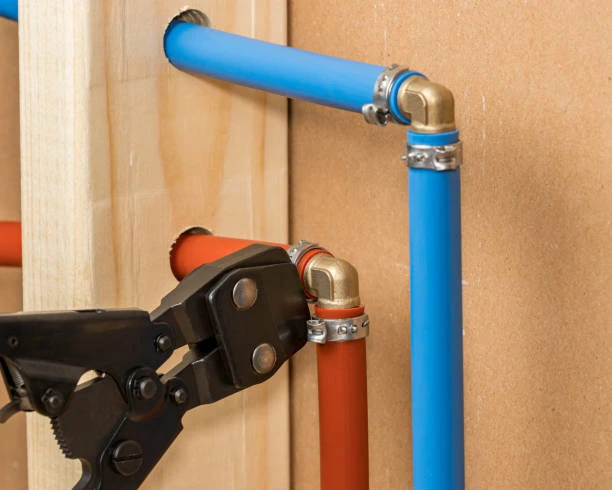
The design of PEX (cross-linked polyethylene) pipe fittings plays a vital role in modern plumbing systems. Engineers and manufacturers focus on crafting fittings that enhance performance, ensure durability, and simplify installation processes. These fittings support the functionality of PEX piping, which has become a preferred choice for both residential and commercial applications. Their design reflects advanced material science, ergonomic considerations, and strict compliance with industry standards.
Importance of Material Selection
Material selection forms the foundation of PEX pipe fitting design. Manufacturers typically use brass, stainless steel, or high-performance polymers. Each material offers specific benefits:
- Raccords en laiton provide exceptional durability and corrosion resistance, making them ideal for various water types.
- Polymer fittings enhance affordability and reduce weight while maintaining adequate strength for plumbing applications.
- Stainless steel fittings deliver unparalleled longevity in high-stress or chemically aggressive environments.
By using these materials, designers ensure the fittings meet performance expectations under different conditions.
Structural Considerations
The structural design of PEX fittings directly impacts their reliability. Engineers design fittings to handle high pressures, varying temperatures, and mechanical stresses without deformation or failure. Internal diameters are optimized to maintain consistent water flow while minimizing turbulence and pressure loss. The fittings’ external geometry allows seamless connection with PEX pipes, ensuring a leak-proof seal.
Designs often incorporate ribs, barbs, or grooves, which provide extra grip when fittings are used with clamps or rings. These features reduce the chances of slippage under pressure, improving overall system safety.
Compatibility and Standards
PEX pipe fittings are designed to conform to specific standards, ensuring compatibility across systems. For example, ASTM F1807, F1960, and F2159 standards define dimensions, performance requirements, and material guidelines for fittings. Designers adhere to these specifications to ensure universal compatibility.
Different connection types, such as crimp, clamp, or expansion fittings, influence design considerations. For example:
- Raccords à sertir require an optimal barb design to secure the crimp ring firmly.
- Raccords d'expansion feature smooth, tapered surfaces to facilitate pipe expansion without compromising the seal.
Standardization ensures that fittings work seamlessly with various PEX pipes, reducing installation challenges.
Ergonomics and Ease of Installation
Ergonomic design simplifies the installation process. Manufacturers design fittings with user-friendly features like visible markings or pre-installed rings. These elements help plumbers install systems efficiently, reducing labor costs and installation errors.
Expansion fittings, for instance, allow installers to expand PEX pipes without additional clamps or tools, speeding up the process. Similarly, quick-connect fittings eliminate the need for crimp tools, appealing to DIY enthusiasts and professionals alike.
Leak Prevention and Durability
Leak prevention remains a critical design goal. PEX pipe fittings must withstand water hammer effects, thermal expansion, and pressure fluctuations. Manufacturers often include robust sealing mechanisms like O-rings or compression gaskets. These seals ensure long-term performance, even under extreme conditions.
Designers also consider factors like UV resistance, especially for fittings used in outdoor installations. They incorporate UV-stabilized materials or protective coatings to prevent degradation from sunlight exposure, enhancing the fittings’ lifespan.
Thermal Performance and Flexibility
PEX fittings must perform reliably in a wide temperature range. Designers prioritize thermal stability, ensuring fittings can withstand hot and cold water applications without warping or cracking. Materials with low thermal conductivity reduce heat transfer, maintaining water temperature efficiency.
The fittings’ flexibility complements PEX pipes’ inherent bendability, allowing seamless connections around corners or obstacles. Flexible fittings minimize the need for additional components, streamlining the overall system.
Cost Efficiency in Design
Cost-effective design practices aim to balance performance and affordability. Manufacturers reduce production costs by optimizing material usage, minimizing waste, and using efficient manufacturing techniques like injection molding or precision casting.
Innovations such as modular designs allow manufacturers to produce multiple fitting types using shared components. These strategies enhance scalability and reduce inventory complexity, benefiting both producers and consumers.
Considérations environnementales
Sustainability plays a growing role in PEX fitting design. Designers select recyclable materials and adopt eco-friendly manufacturing processes. Reducing material waste during production aligns with environmental goals while maintaining product integrity.
Some manufacturers use lead-free brass, adhering to regulations for safe drinking water applications. These environmentally conscious designs meet health and safety standards without compromising performance.
Advanced Design Innovations
Recent advancements include smart fittings with integrated sensors for leak detection or flow monitoring. These innovations provide real-time data, helping users identify issues before they escalate. Designers also experiment with hybrid materials, combining the strengths of different substances to achieve superior performance.
Conclusion
The design of PEX pipe fittings represents a blend of engineering excellence, material science, and user-focused innovation. By prioritizing durability, compatibility, and sustainability, manufacturers create fittings that elevate the efficiency and reliability of modern plumbing systems. Thoughtful design continues to drive advancements, meeting the evolving demands of the industry.
Norme internationale IFAN
IFAN conçoit ses produits conformément à un large éventail de normes internationales, notamment ASTM F1974, ASTM F1281, CSA B137, DIN 16836, GB18997 et ISO 21003, ISO15875, GB-T 18992, DIN 16892, ASTM F877, ASTM F2788, BS 7291, BS EN ISO 15875 et CSA B137. Ces normes garantissent la qualité, la durabilité et les performances des tubes et raccords PEX d'IFAN pour diverses applications. En adhérant à ces réglementations, IFAN propose des solutions fiables pour les systèmes de plomberie, de chauffage et d'alimentation en eau sur les marchés mondiaux.
Contact
IFAN est un fabricant professionnel fort de 30 ans d'expérience, spécialisé dans la production de tuyaux, raccords et vannes en plastique de haute qualité. Nos produits comprennent des vannes en laiton, des vannes en PPR, ainsi que divers tuyaux et raccords pour répondre aux différents besoins de nos clients. Que vous ayez besoin de tuyaux de plomberie et d'évacuation ou de vannes, IFAN propose une gamme diversifiée de produits de haute qualité et économiques pour vos projets. Vous trouverez nos coordonnées ci-dessous.
Nous répondrons à votre e-mail ou fax dans les 24 heures.
Vous pouvez nous appeler à tout moment si vous avez des questions sur notre production.
Pour plus d'informations, veuillez visiter notre site Web https://www.ifanplus.com/
Veuillez envoyer un mail à : [email protected]
WhatsApp : + 86 19857948982























