


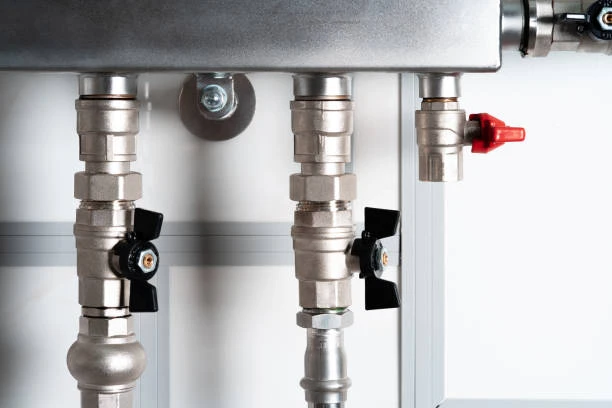
In plumbing and fluid control systems, finding the right valve is essential for performance, reliability, and safety. Among the many options available today, the vanne à boisseau sphérique à compression stands out as a highly efficient and adaptable solution. Not only is it easy to install, but it also provides excellent control and leak-free operation across a wide range of systems.
Throughout this article, we will explore comprehensive solutions offered by compression ball valves. From understanding the basics to practical applications and comparison with other valve types, this guide aims to clarify why compression ball valves are a top choice for professionals and DIY users alike.
Foire aux questions (FAQ)
1. Qu'est-ce qu'une vanne à boisseau sphérique à compression ?
It’s a shut-off valve that uses a ball mechanism for controlling flow, attached to pipes via compression fittings that require no soldering or gluing.
2. How does it differ from other ball valves?
Compression ball valves eliminate the need for threading or welding. The fittings compress around the pipe to create a secure seal.
3. Where are compression ball valves commonly used?
They are frequently found in residential plumbing, commercial buildings, water filtration systems, and HVAC applications.
4. Are they suitable for high-pressure systems?
Yes, many models are rated for pressures up to 600 PSI, though you should always verify the specific rating of your chosen valve.
5. Can they be installed by non-professionals?
Absolutely. Their design simplifies installation, making them a practical choice for both beginners and experienced users.
What Is a Compression Ball Valve? Definition and Features
UN vanne à boisseau sphérique à compression is a quarter-turn valve designed to control water or gas flow in piping systems. It uses a ball with a hole through the middle, which rotates to allow or stop flow. Unlike traditional valves that require soldering or threading, this type relies on compression fittings, which tighten around the pipe using a nut and ferrule.
Caractéristiques principales
- Quarter-turn operation for quick shutoff
- Leak-resistant compression fittings requiring no heat or glue
- Corrosion-resistant materials like brass or stainless steel
- Easy, tool-free installation using only basic wrenches
- Réutilisabilité in many systems
- Compatibilité with copper, CPVC, and PEX pipes
Thanks to these features, compression ball valves offer time-saving solutions for a variety of plumbing challenges.
Applications courantes et utilisation industrielle
Compression ball valves are versatile components that perform reliably across multiple industries. Their broad range of applications further enhances their value.
Plomberie résidentielle
In home plumbing, they are widely used to isolate fixtures such as sinks, toilets, and water heaters. During repairs or maintenance, the valves provide fast and effective shutoff capabilities, reducing water damage and inconvenience.
Systèmes CVC
In heating and cooling systems, compression ball valves enable the isolation of zones or circuits. This makes troubleshooting and maintenance much easier while keeping the rest of the system operational.
Water Treatment and Filtration
In water filtration units, softeners, and reverse osmosis systems, these valves play a vital role by offering controllable flow and simple maintenance shutoffs.
Installations commerciales
From office kitchens to medical facilities, compression ball valves are used for managing flow in faucets, chillers, and vending systems. Their quick operation and leak-free sealing are especially valuable in high-use environments.
Light Industrial Settings
They are also used in small-scale manufacturing or laboratory settings, especially where low-to-medium pressure fluid handling is required with flexible system layouts.
Clearly, their wide usage underscores the adaptability of compression ball valve solutions.
Buying Guide: How to Select the Right Compression Ball Valve
To choose the best compression ball valve for your application, several factors need careful consideration. Here’s a step-by-step selection guide:
1. Determine the Pipe Material
Compression ball valves are compatible with a variety of pipes including PEX, CPVC, and copper. Confirm that the valve you choose matches your pipe type.
2. Select the Proper Size
Common sizes include 1/2″, 3/4″, and 1″. Choosing the right size ensures optimal flow rates and proper sealing.
3. Choose the Valve Material
- Laiton is ideal for general-purpose applications due to its strength and corrosion resistance.
- Acier inoxydable is better suited for chemical exposure or extreme environments.
- Valves en plastique may be used for low-pressure and non-potable systems.
4. Confirm Pressure and Temperature Ratings
Review the operating specifications to match the valve with your system’s requirements. Most standard valves handle up to 600 PSI and temperatures between -20°F and 200°F.
5. Look for Certifications
Ensure the valve is certified for its intended use. For potable water, certifications like NSF or UPC are essential for compliance and safety.
6. Evaluate Additional Features
Optional features such as locking handles, T-handles, or extra-long levers may provide added convenience in specific scenarios.
By paying attention to these details, you will be able to select a valve that ensures longevity and peak performance in any system.
Compression Ball Valve Solutions in Real Scenarios
Given the name of this article, it’s important to discuss how compression ball valve solutions address common plumbing and mechanical challenges.
Simplifying Maintenance
One of the biggest advantages is ease of maintenance. When a section of pipe needs repair or replacement, a compression valve allows for quick isolation of that area, reducing downtime and avoiding full system shutdowns.
Adapting to Limited Space
In situations where space is limited, soldering or threading can be difficult or even dangerous. Compression ball valves fit easily into tight spaces and eliminate the need for open flames or hazardous adhesives.
Ensuring Long-Term Leak Prevention
Because the compression mechanism tightly grips the pipe, these valves create a long-lasting seal. This dramatically reduces the risk of leaks, especially in systems that experience vibrations or slight movement.
Enabling Fast Retrofits and Upgrades
Compression fittings are ideal for retrofitting older plumbing systems. Since they don’t require pipe modifications, they’re perfect for updating parts without overhauling the entire system.
Taken together, these qualities make compression ball valves a reliable and modern solution to a variety of fluid management challenges.
Tableau comparatif : vanne à boisseau sphérique à compression et autres types de vannes
| Fonctionnalité | Robinet à boisseau sphérique à compression | Valve filetée | Valve soudée | Vanne à emboîtement |
|---|---|---|---|---|
| Installation Time | Rapide | Modéré | Lent | Very Fast |
| Exigences relatives aux outils | Basic wrenches | Pipe wrenches | Torch, solder | Aucun |
| Résistance aux fuites | Haut | Moyen | Haut | Moyen |
| Pipe Compatibility | Cuivre, PEX, CPVC | Mostly metal | Copper only | Cuivre, PEX, CPVC |
| Niveau de compétence requis | Faible | Moyen | Haut | Faible |
| Suitable for Tight Spaces | Oui | Limité | Non | Oui |
| Réutilisabilité | Often possible | Rare | Rare | Oui |
| Safety (No Flame/Chemicals) | Oui | Oui | Non | Oui |
As shown, compression ball valves outperform traditional soldered valves in terms of installation speed, safety, and ease of use. While push-fit fittings are also fast, they often lack the same level of durability under pressure.
Conclusion
En conclusion, compression ball valves represent one of the most versatile and efficient solutions in today’s plumbing and fluid control landscape. Thanks to their user-friendly installation, strong sealing capabilities, and wide compatibility, they continue to gain popularity among professionals and DIY users alike.
By understanding their design, features, applications, and advantages over traditional valve types, you can confidently incorporate compression ball valves into your next project. Whether for residential repairs, commercial systems, or industrial setups, these valves offer smart and effective fluid control without complications.
For anyone seeking a balance between performance, ease of use, and reliability, compression ball valve solutions clearly deliver outstanding results.
Contactez l'IFAN pour les catalogues et les échantillons
Besoin de documents techniques, de catalogues ou d'échantillons ? Contactez l'IFAN dès aujourd'hui.
📧 Courriel : [email protected]
📱 Whatsapp : +86 19857948982
Notre équipe répond rapidement et fournit un soutien professionnel pour tous vos besoins en matière de pipeline.
Norme internationale IFAN
Les systèmes de tuyauterie IFAN sont conformes à un large éventail de normes internationales pour garantir une qualité et des performances élevées. Parmi celles-ci figurent les normes ASTM F1974 et ASTM F1281 pour les systèmes de tuyauterie multicouche, la norme CSA B137 pour les applications de plomberie canadiennes, la norme DIN 16836 pour les spécifications techniques allemandes, la norme GB18997 pour les normes chinoises et la norme ISO 21003, qui couvre les systèmes de tuyauterie multicouche utilisés pour les installations d'eau chaude et froide. Ce large champ de certification souligne l'engagement de l'IFAN en matière de conformité mondiale et de fiabilité des produits.























