


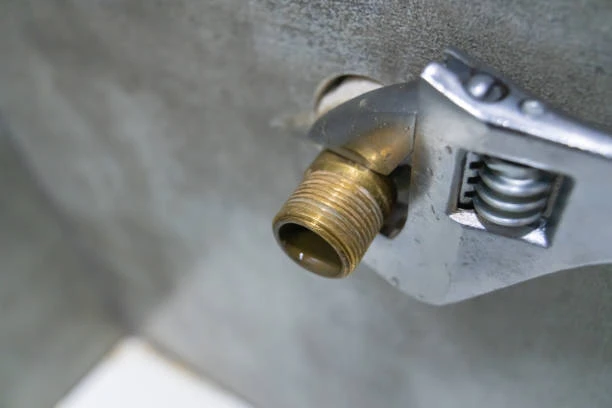
Raccords à compression en laiton offer a practical and dependable solution for connecting pipes in plumbing systems. Their simple installation, strong mechanical seal, and corrosion resistance make them ideal for both residential and commercial applications. Whether you work with copper, plastic, or multilayer pipes, these fittings help create leak-free connections without soldering or complex tools.
This article explores the key features, uses, and installation tips of brass compression fittings. It also compares them with other pipe connection methods to help you make informed decisions for your next plumbing project.
Foire aux questions (FAQ)
1. À quoi servent les raccords à compression en laiton ?
They connect pipes in plumbing, gas, and heating systems without soldering. Their mechanical seal ensures tight, leak-free joints.
2. Can I use brass compression fittings with plastic pipes?
Yes, but you should insert a pipe support liner inside the plastic pipe to prevent deformation.
3. Do I need special tools to install them?
No. A pair of adjustable wrenches is enough. You don’t need heat, glue, or crimping tools.
4. Are brass compression fittings suitable for drinking water?
Yes. Choose fittings certified for potable water, such as NSF or WRAS approved products.
5. Can I reuse brass compression fittings?
Yes. If undamaged, you can remove and reinstall them, making them cost-effective and versatile.
Definition and Key Features of Brass Compression Fittings
Brass compression fittings are mechanical pipe connectors made from durable brass. They consist of three components: the compression nut, the compression ring (also called a ferrule), and the fitting body. When you tighten the nut, the ring compresses onto the pipe and creates a watertight seal between the pipe and the fitting body.
Caractéristiques principales
- Durabilité: Brass offers long-lasting strength and corrosion resistance.
- Facilité d'installation: No heat, glue, or special skills are needed.
- Versatilité: Suitable for copper, plastic, and multilayer pipes.
- Réutilisabilité: Easily disassembled and reused.
- Variety of Shapes: Available as straight couplings, elbows, tees, reducers, and adapters.
- Safe and Reliable: High pressure and temperature resistance make them ideal for demanding systems.
These features make brass compression fittings one of the most practical choices for connecting pipes quickly and securely.
Applications et industries courantes
Brass compression fittings appear in a wide range of plumbing and industrial applications. Let’s look at some common use cases:
Plomberie résidentielle
Homeowners and plumbers use them to install faucets, toilets, and under-sink connections. These fittings simplify household plumbing tasks with minimal tools.
Systèmes de chauffage et de refroidissement
They fit well into hydronic heating systems, air conditioning lines, and radiator connections. Their temperature resistance ensures safety and stability.
Installations de gaz
When certified for gas, they handle low-pressure gas supply lines in kitchens and heaters.
tuyauterie industrielle
Factories and workshops rely on these fittings in fluid and air control systems. Their mechanical strength and chemical resistance prove valuable in challenging environments.
Automotive and Marine Applications
You’ll find them in fuel lines, brake systems, and cooling systems in vehicles and boats, thanks to their tight seals and reliability.
Their cross-industry usage confirms that brass compression fittings offer unmatched flexibility for professionals and DIYers alike.
Buying Guide: What to Consider
When selecting brass compression fittings, careful evaluation of several factors ensures safety and efficiency. Here’s what you should consider:
Qualité des matériaux
Choose lead-free or low-lead brass for potable water applications. Look for a smooth finish, uniform thickness, and no visible casting defects.
Certification
Ensure the product carries necessary certifications for its application. For drinking water, seek NSF, WRAS, or equivalent approvals. For gas use, confirm compliance with regional safety codes.
Pipe Compatibility
Verify the fitting size matches your pipe’s outer diameter. Also, check whether the fitting uses BSP, NPT, or metric threads to ensure a proper fit.
Shape and Type
Depending on your system layout, choose the appropriate fitting type—straight, elbow, tee, or reducer. Selecting the right shape helps avoid pipe bending or stress.
Coatings and Finishes
Some fittings include nickel plating or special finishes for added protection in aggressive environments or aesthetic preference.
Brand and Supplier
Stick to reputable manufacturers who meet international standards. A trusted supplier ensures consistent quality, support, and product traceability.
Making an informed purchase not only guarantees a leak-free connection but also saves time and repair costs in the long run.
Conseils d'installation pour de meilleurs résultats
Installing brass compression fittings is simple, but following best practices prevents leaks and extends the system’s life. Here’s a step-by-step guide:
1. Cut the Pipe Cleanly
Use a pipe cutter to ensure a straight, smooth cut. Avoid using a saw that creates rough edges.
2. Slide on the Nut and Ferrule
First, slide the nut onto the pipe, followed by the compression ring (ferrule). Keep the orientation correct.
3. Insert the Pipe into the Fitting Body
Push the pipe into the fitting until it bottoms out. Make sure it’s fully inserted before tightening.
4. Tighten the Nut
Hold the fitting body with one wrench and use another to tighten the nut. Usually, hand-tight plus one or two wrench turns is enough.
5. Test for Leaks
Once installed, slowly pressurize the system and check for leaks. Tighten slightly if needed but avoid over-tightening.
Tip: Do not use Teflon tape or pipe dope on compression fittings. The seal forms between the ferrule and pipe, not the threads.
By following these steps, you ensure a secure connection that performs reliably over time.
Brass Compression Fittings vs. Other Connection Methods
When choosing between various fitting types, it’s important to compare their advantages and limitations. Below is a detailed comparison:
| Fonctionnalité | Brass Compression Fittings | Soldered Copper Joints | Push-Fit Fittings | Plastic Solvent Weld |
|---|---|---|---|---|
| Installation Time | Quick | Lent | Very quick | Modéré |
| Exigences en matière d'outils | Basic tools | Torch, flux, cutter | No tools | Solvent and cleaner |
| Réutilisabilité | Oui | Non | Oui | Non |
| Résistance aux fuites | Haut | Haut | Modéré | Modéré |
| Skill Level Needed | Faible | Haut | Très faible | Moyen |
| Material Durability | Excellent | Excellent | Bien | Modéré |
| Coût | Modéré | Faible | Haut | Faible |
As shown, brass compression fittings balance ease of use, cost, durability, and reliability better than most other options. They stand out as a solid all-round choice for both professionals and DIY users.
Conclusion
Brass compression fittings offer a reliable, reusable, and user-friendly way to connect pipes across many applications. Their mechanical design avoids heat, glue, or special tools—making them perfect for fast, clean, and safe installations.
By understanding their features, proper installation steps, and how they compare with alternatives, you can confidently choose brass compression fittings for your plumbing projects. Whether for home plumbing, HVAC, gas lines, or industrial systems, these fittings continue to prove their value year after year.
Invest in quality brass compression fittings and experience the peace of mind that comes with secure, long-lasting connections.
Contactez l'IFAN pour les catalogues et les échantillons
Besoin de documents techniques, de catalogues ou d'échantillons ? Contactez l'IFAN dès aujourd'hui.
📧 Courriel : [email protected]
📱 Whatsapp : +86 19857948982
Notre équipe répond rapidement et fournit un soutien professionnel pour tous vos besoins en matière de pipeline.
Norme internationale IFAN
Les systèmes de tuyauterie IFAN sont conformes à un large éventail de normes internationales pour garantir une qualité et des performances élevées. Parmi celles-ci figurent les normes ASTM F1974 et ASTM F1281 pour les systèmes de tuyauterie multicouche, la norme CSA B137 pour les applications de plomberie canadiennes, la norme DIN 16836 pour les spécifications techniques allemandes, la norme GB18997 pour les normes chinoises et la norme ISO 21003, qui couvre les systèmes de tuyauterie multicouche utilisés pour les installations d'eau chaude et froide. Ce large champ de certification souligne l'engagement de l'IFAN en matière de conformité mondiale et de fiabilité des produits.























