


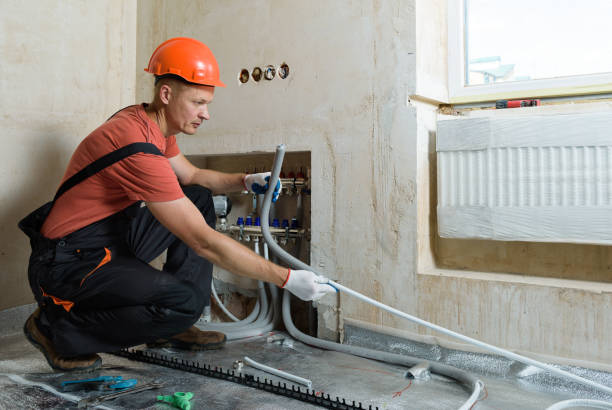
PPR quick-connect piping systems provide an efficient, reliable, and eco-friendly solution for data center cooling systems. With their durability, corrosion resistance, and easy installation, PPR pipes and fittings ensure optimal performance in maintaining stable temperatures for critical infrastructure. This guide explores the role of PPR quick-connect systems in data centers, covering their features, applications, and selection criteria. By referencing a PPR fitting technical data sheet, you can make informed decisions to ensure long-lasting, high-performance cooling systems.
Frequently Asked Questions (FAQ) About PPR Quick-Connect Systems
1. Why are PPR quick-connect pipes ideal for data center cooling?
PPR pipes resist corrosion, handle high water flow, and maintain thermal stability, ensuring reliable cooling for sensitive equipment.
2. Can PPR quick-connect fittings handle the demands of large-scale cooling systems?
Yes, PPR fittings support high-pressure and high-flow systems, with sizes up to 160mm, suitable for large data center setups.
3. How do PPR pipes contribute to energy efficiency in data centers?
Their smooth inner surfaces reduce friction, improving water flow and lowering pump energy costs, while insulation minimizes heat loss.
4. Are PPR quick-connect systems easy to maintain in data centers?
Absolutely. Their tool-free installation and corrosion resistance simplify maintenance, reducing downtime in critical environments.
5. Where can I find a PPR fitting technical data sheet?
Reputable manufacturers provide data sheets in their catalogs, detailing specifications like pressure ratings, sizes, and certifications.
What Are PPR Piping Systems?
PPR (Polypropylene Random Copolymer) piping systems use a lightweight, durable plastic to create pipes and fittings for various applications. Their quick-connect fittings allow secure, tool-free connections, streamlining installation and reducing labor costs. PPR systems resist corrosion, scaling, and chemical degradation, making them ideal for data center cooling systems where reliability is paramount. The smooth inner walls of PPR pipes enhance water flow, reducing energy consumption in pumped systems. Additionally, PPR’s thermal insulation properties help maintain consistent coolant temperatures, critical for protecting data center equipment.
PPR quick-connect fittings use a push-fit mechanism, ensuring leak-free joints that withstand high pressures and temperatures. Available in diameters from 20mm to 160mm, PPR systems adapt to both small and large cooling setups, offering flexibility for data centers of any scale.
Utilisations courantes et applications industrielles
PPR quick-connect systems serve a range of industries, with data center cooling as a standout application. Here’s how they’re used:
- Data Center Cooling: PPR pipes transport chilled water to cooling units, maintaining stable temperatures for servers and hardware.
- Systèmes CVC commerciaux: Offices and hospitals use PPR for heating and cooling, leveraging its thermal efficiency and durability.
- Transport de fluides industriels: Factories rely on PPR for non-aggressive liquid transport, thanks to its chemical resistance.
- Plomberie résidentielle: Homeowners choose PPR for hot and cold water lines, benefiting from its longevity and ease of installation.
- Irrigation agricole: PPR systems support water distribution in farming, withstanding outdoor conditions.
In data centers, PPR’s ability to handle high water volumes and resist corrosion ensures uninterrupted cooling, protecting expensive equipment from overheating.
PPR Quick-Connect Selection Guide
Choosing the right PPR quick-connect fittings for data center cooling requires careful attention to technical specifications. Here’s a guide to selecting from a PPR fitting technical data sheet:
- Qualité des matériaux: Opt for Type-3 PPR, the strongest grade of polypropylene, to ensure durability under high-pressure cooling demands.
- Code couleur: PPR fittings come in green, white, or blue. Green often indicates eco-friendly options, ideal for sustainable data centers.
- Certifications: Look for NSF or ISO certifications on the data sheet to confirm safety for water systems and compliance with standards.
- Size and Pressure Ratings: Choose fittings matching your system’s pipe diameter (e.g., 32mm or 63mm) and pressure needs, typically 10–25 bar.
- Résistance thermique: Verify the fittings handle temperatures up to 200°F (93°C), as specified in the data sheet, for hot or cold coolant lines.
- Supplier Transparency: Select manufacturers providing detailed technical data sheets, including flow rates, joint strength, and installation guidelines.
By referencing a comprehensive PPR fitting technical data sheet, you ensure fittings meet the rigorous demands of data center cooling systems.
Installation Tips for PPR Quick-Connect Systems
Proper installation ensures PPR quick-connect systems perform reliably in data centers. Follow these tips for success:
- Map the Cooling Layout: Plan the piping route to minimize joints and bends, optimizing coolant flow and reducing pressure loss.
- Use Precision Tools: A pipe cutter and deburring tool create clean pipe ends, ensuring secure quick-connect joints.
- Align Connections: Ensure pipes and fittings align perfectly before locking them. Misaligned joints risk leaks under high pressure.
- Tester le système: Run coolant through the system at operating pressure to check for leaks. Reconnect any loose fittings immediately.
- Protect Outdoor Sections: Shield outdoor PPR pipes from UV exposure with insulation or coatings to prevent material degradation.
- Refer to Technical Data: Follow the manufacturer’s installation guidelines from the PPR fitting technical data sheet for brand-specific instructions.
These steps ensure a robust, leak-free cooling system that supports data center operations.
PPR vs. Other Piping Materials: A Comparison
To highlight PPR’s advantages for data center cooling, compare it with other piping materials:
| Fonctionnalité | PPR Pipes & Fittings | PVC Pipes & Fittings | Copper Pipes & Fittings | Galvanized Steel Pipes |
|---|---|---|---|---|
| Matériel | Polypropylène | Polyvinyl Chloride | Cuivre | Steel with zinc coating |
| Résistance à la corrosion | Excellent, no rust | Good, but degrades | Good, prone to pitting | Poor, rusts over time |
| Facilité d'installation | Quick-connect, tool-free | Glue-based, slower | Soldering, complex | Threading, labor-intensive |
| Efficacité énergétique | High, smooth inner walls | Moderate, some friction | Moderate, heat conductive | Low, rough inner surface |
| Coût | Abordable | Très abordable | Cher | Moderate to expensive |
| Durée de vie | Up to | 20 à 40 ans | 50–70 years | 20– |
| Plage de température | Up to 200°F (93°C) | Up to 140°F (60°C) | Up to 400°F (204°C) | Up to 200°F (93°C) |
| Poids | Léger | Léger | Lourd | Very heavy |
PPR’s corrosion resistance, energy efficiency, and quick-connect design make it a top choice for data center cooling systems.
Conclusion
PPR quick-connect piping systems offer a reliable, efficient, and sustainable solution for data center cooling. Their corrosion resistance, thermal stability, and easy installation ensure consistent performance in high-stakes environments. By selecting fittings based on a detailed PPR fitting technical data sheet and following proper installation practices, you create a robust cooling system that protects critical infrastructure. Compared to other materials, PPR balances cost, durability, and energy efficiency, making it ideal for modern data centers.
Contactez l'IFAN pour les catalogues et les échantillons
Besoin de documents techniques, de catalogues ou d'échantillons ? Contactez l'IFAN dès aujourd'hui.
📧 Courriel : [email protected]
📱 Whatsapp : +86 19857948982
Notre équipe répond rapidement et fournit un soutien professionnel pour tous vos besoins en matière de pipeline.
Norme internationale IFAN
Les systèmes de tuyauterie IFAN sont conformes à un large éventail de normes internationales pour garantir une qualité et des performances élevées. Parmi celles-ci figurent les normes ASTM F1974 et ASTM F1281 pour les systèmes de tuyauterie multicouche, la norme CSA B137 pour les applications de plomberie canadiennes, la norme DIN 16836 pour les spécifications techniques allemandes, la norme GB18997 pour les normes chinoises et la norme ISO 21003, qui couvre les systèmes de tuyauterie multicouche utilisés pour les installations d'eau chaude et froide. Ce large champ de certification souligne l'engagement de l'IFAN en matière de conformité mondiale et de fiabilité des produits.























