


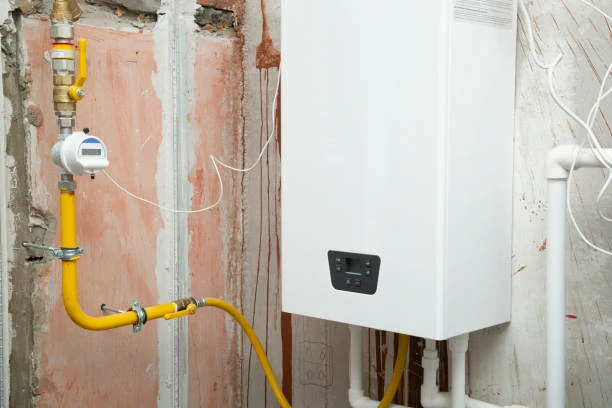
Les raccords de tuyauterie en CPVC (polychlorure de vinyle chloré) offrent une excellente résistance au vieillissement, ce qui en fait un choix privilégié pour les applications à long terme. De nombreuses industries font confiance au CPVC, car il résiste aux contraintes environnementales, à l'exposition aux produits chimiques et aux variations de température sans dégradation significative. Contrairement à d'autres matières plastiques, le CPVC conserve sa résistance mécanique et son intégrité structurelle au fil du temps. Stabilité chimique face au vieillissement du CPVC
Chemical Stability Against Aging
Cpvc pipe fitting resist chemical degradation, ensuring a long lifespan in various applications. Many industrial environments expose piping systems to acids, bases, and solvents, but CPVC maintains its stability. Unlike traditional plastic materials, CPVC does not react with most chemicals, preventing deterioration.
Many chemical processing plants use CPVC for transporting aggressive substances. Unlike metals, CPVC does not corrode when exposed to harsh industrial chemicals. Many manufacturers choose CPVC because it reduces the risk of leaks and failures due to chemical aging.
Unlike standard thermoplastics, CPVC does not absorb chemicals that weaken its structure. Many industries need piping materials that resist chemical penetration, and CPVC provides long-term reliability. Unlike alternative materials, CPVC prevents chemical-induced brittleness and degradation.
Thermal Aging Resistance
CPVC Pipe Fittings withstand prolonged exposure to high temperatures without losing strength. Many industries transport hot fluids, requiring materials that resist thermal aging. Unlike ordinary plastics, CPVC maintains its rigidity and functionality even after years of use in hot environments.
Many plumbing and HVAC systems rely on CPVC for handling hot water and steam. Unlike PVC, which softens at high temperatures, CPVC retains its shape and pressure-bearing capacity. Many industrial applications benefit from CPVC’s ability to handle fluctuating temperatures without cracking.
Unlike some materials that experience thermal expansion and contraction issues, CPVC remains dimensionally stable. Many construction projects use CPVC in environments with varying temperatures because it resists warping and stress fractures. Unlike alternative thermoplastics, CPVC does not develop weak points after repeated heating and cooling cycles.
UV Resistance and Outdoor Durability
CPVC Pipe Fittings resist ultraviolet (UV) radiation better than many other plastics. Many outdoor applications require piping materials that do not degrade under sunlight exposure. Unlike standard PVC, CPVC retains its mechanical properties even after years of outdoor use.
Many industries use CPVC for above-ground installations where direct sunlight exposure occurs. Unlike materials that become brittle over time, CPVC resists UV-induced aging. Many construction projects benefit from CPVC’s ability to maintain strength in outdoor environments.
Unlike thermoplastics that require additional UV protection coatings, CPVC provides inherent resistance to sunlight damage. Many water distribution and chemical transport systems operate outdoors, and CPVC ensures reliable performance. Unlike some plastics, CPVC does not fade, crack, or become brittle under extended UV exposure.
Moisture and Humidity Resistance
CPVC fittings resist moisture absorption, preventing degradation in humid environments. Many piping materials suffer from hydrolysis over time, but CPVC maintains its integrity in high-humidity conditions. Unlike metals, CPVC does not rust or corrode due to prolonged water exposure.
Many industrial and residential plumbing systems use CPVC for water transport. Unlike materials that weaken in damp conditions, CPVC remains structurally sound. Many chemical processing plants operate in humid environments, and CPVC ensures consistent performance.
Unlike porous materials that absorb water and swell, CPVC remains dimensionally stable. Many construction projects choose CPVC because it prevents water-related damage and maintains its strength. Unlike standard plastics, CPVC does not develop surface cracks due to prolonged moisture exposure.
Mechanical Strength Retention Over Time
CPVC fittings maintain mechanical strength even after years of service. Many industries require durable piping solutions that resist wear and tear. Unlike flexible plastics, CPVC does not lose rigidity or collapse under pressure.
Many high-pressure applications rely on CPVC Pipe Fittings for long-term reliability. Unlike thermoplastics that degrade under continuous stress, CPVC retains its load-bearing capacity. Many manufacturers prefer CPVC because it does not weaken over time.
Unlike materials that develop microcracks due to stress and aging, CPVC provides consistent performance. Many industries need pipes that handle mechanical loads without failure, and CPVC meets these demands. Unlike alternative plastics, CPVC resists fatigue and stress-related aging.
Oxidation and Environmental Aging Resistance
CPVC Pipe Fittings resists oxidation, preventing premature aging in harsh environments. Many materials degrade when exposed to oxygen, but CPVC maintains its properties over time. Unlike some plastics, CPVC does not become brittle due to oxidation.
Many chemical plants operate in environments with high oxygen exposure, and CPVC provides reliable performance. Unlike metals that develop rust and corrosion, CPVC does not require protective coatings. Many industrial applications choose CPVC because it remains stable even in oxygen-rich environments.
Unlike some thermoplastics that degrade due to atmospheric conditions, CPVC withstands environmental aging. Many outdoor and industrial settings require materials that resist oxidation, and CPVC delivers long-term stability. Unlike alternative materials, CPVC prevents material breakdown caused by exposure to air and environmental factors.
Abrasion Resistance for Long-Term Use
CPVC fittings resist surface wear, ensuring durability in demanding applications. Many industrial and plumbing systems require pipes that withstand continuous use without degradation. Unlike softer plastics, CPVC does not experience rapid surface erosion.
Many fluid transport systems use CPVC for high-velocity applications. Unlike materials that develop rough internal surfaces, CPVC maintains a smooth flow path over time. Many industries prefer CPVC because it reduces friction loss and prevents sediment buildup.
Unlike thermoplastics that lose surface integrity due to wear, CPVC maintains its original strength. Many construction and manufacturing processes rely on CPVC for consistent performance. Unlike alternative materials, CPVC does not develop weak points due to mechanical abrasion.
Longevity in Industrial and Residential Applications
CPVC fittings provide long service life in both industrial and residential settings. Many industries select CPVC because it offers durability and resistance to aging factors. Unlike traditional materials, CPVC delivers reliability over decades of use.
Many water supply systems operate for years without maintenance issues when using CPVC. Unlike pipes that require frequent replacements, CPVC fittings remain intact under continuous operation. Many engineers prefer CPVC for long-term plumbing and fluid transport applications.
Unlike alternative plastics that degrade under demanding conditions, CPVC provides stability in high-temperature, high-pressure, and chemically aggressive environments. Many industries benefit from CPVC’s ability to maintain performance over extended periods. Unlike standard materials, CPVC eliminates premature aging concerns.
Comparaison avec d'autres matériaux
Many piping materials experience aging-related issues, but CPVC outperforms them in several aspects:
- PVC: CPVC resists higher temperatures and chemicals better than standard PVC. Unlike PVC, CPVC does not degrade as quickly under heat and pressure.
- tuyaux métalliques: CPVC does not corrode like metals, reducing the risk of failures due to rust. Unlike metal, CPVC does not require additional coatings for environmental resistance.
- Tuyaux en polypropylène (PP): CPVC provides better mechanical strength and longevity compared to PP. Unlike PP, CPVC withstands more demanding industrial conditions.
- Tuyaux PEX: CPVC handles higher pressure and chemical exposure better than PEX. Unlike PEX, CPVC retains rigidity for structural support.
Many industries rely on CPVC for its superior aging resistance. Unlike traditional materials, CPVC ensures reliable performance in the most challenging conditions.
Conclusion
CPVC pipe fittings offer excellent aging resistance, making them a reliable choice for long-term applications. Many industries select CPVC because it withstands chemical exposure, high temperatures, and environmental stress without degrading. Unlike standard plastics, CPVC maintains mechanical strength and durability over time.
Many industrial, residential, and commercial applications benefit from CPVC’s superior performance. Unlike alternative materials, CPVC eliminates concerns related to thermal aging, UV exposure, moisture, and oxidation. Many companies invest in CPVC for its long service life and cost-effectiveness. Unlike weaker thermoplastics, CPVC ensures a stable and durable piping system for decades.
Norme internationale IFAN
Les produits en PEHD d'IFAN sont conformes à diverses normes internationales, garantissant qualité, durabilité et fiabilité. Parmi ces normes figurent les normes ASTM D3035 et ASTM D3350, qui définissent les spécifications des tubes et matériaux en polyéthylène (PE). Les normes ISO 4427 et EN 12201 établissent des références mondiales pour les tubes en PE utilisés dans les réseaux d'approvisionnement en eau. De plus, les normes DIN 8074/8075 et GB/T 13663 établissent les exigences de performance et de dimension des tubes en PEHD sur les marchés européen et chinois. D'autres normes reconnues, telles que AS/NZS 4130 (Australie/Nouvelle-Zélande), JIS K6760 (Japon), BS 6572 (Royaume-Uni) et CSA B137.1 (Canada), témoignent de l'engagement d'IFAN à respecter les réglementations industrielles mondiales.
Contact
IFAN est un fabricant professionnel fort de 30 ans d'expérience, spécialisé dans la production de tuyaux, raccords et vannes en plastique de haute qualité. Nos produits comprennent des vannes en laiton, des vannes en PPR, ainsi que divers tuyaux et raccords pour répondre aux différents besoins de nos clients. Que vous ayez besoin de tuyaux de plomberie et d'évacuation ou de vannes, IFAN propose une gamme diversifiée de produits de haute qualité et économiques pour vos projets. Vous trouverez nos coordonnées ci-dessous.
Nous répondrons à votre e-mail ou fax dans les 24 heures.
Vous pouvez nous appeler à tout moment si vous avez des questions sur notre production.
Pour plus d'informations, veuillez visiter notre site Web https://www.ifanplus.com/
Veuillez envoyer un mail à : [email protected]
WhatsApp : + 86 19857948982























