


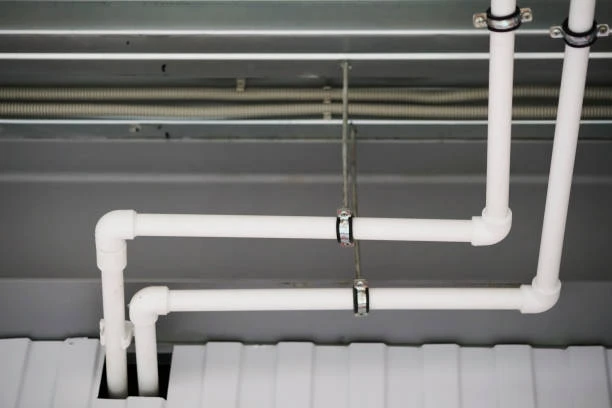
tuyaux flexibles en PVC have become essential components across numerous industries due to their unique combination of durability, adaptability, and cost-effectiveness. These innovative piping solutions offer practical advantages over traditional rigid materials, providing reliable performance in diverse applications from residential plumbing to industrial processing. This comprehensive guide explores the fundamental characteristics of PVC flexible pipes, addresses common questions about their capabilities and limitations, examines their key properties, and reviews their wide-ranging applications. Understanding these versatile pipes will help professionals and homeowners make informed decisions for their specific fluid transport needs.
Foire aux questions (FAQ)
What makes PVC pipes flexible compared to standard PVC pipes?
Manufacturers achieve flexibility by adding plasticizers during production. These special additives work between the PVC polymer chains, reducing rigidity while maintaining strength. This process creates pipes that can bend around obstacles without compromising their structural integrity or chemical resistance. The amount and type of plasticizer determine the final flexibility characteristics.
How temperature affects PVC flexible pipes performance?
Temperature significantly influences these pipes’ performance. In cold conditions, they may become stiffer and require careful handling. In warm environments, they become more pliable but might have reduced pressure ratings. Most standard products work best between 5°C and 60°C (41°F to 140°F). Special formulations can extend this range for specific applications.
Are PVC flexible pipes safe for drinking water applications?
Yes, when specifically marked as potable water grade. These food-grade versions use non-toxic plasticizers and meet NSF/ANSI Standard 61 for drinking water systems. Always verify certifications before installation. Manufacturers design these pipes to maintain water quality without introducing harmful substances.
What chemicals can PVC flexible pipes handle?
They offer excellent resistance to acids, alkalis, salts, and alcohols. They perform particularly well against corrosive substances that damage metal pipes. However, some solvents and aromatic hydrocarbons might cause degradation. Always consult chemical compatibility charts for specific chemicals.
What is the typical lifespan of PVC flexible pipes?
Service life depends on application conditions including temperature, pressure, and chemical exposure. Under normal conditions, these pipes typically last 10-20 years. Proper installation and within-specification use maximize longevity. Harsh conditions may reduce lifespan while controlled environments might extend it.
Définition de base et caractéristiques clés
PVC flexible pipes are thermoplastic conduits made from polyvinyl chloride resin combined with plasticizing compounds. This combination creates pipes that maintain the beneficial properties of rigid PVC while gaining the advantage of bendability. The manufacturing process involves extrusion through specialized dies that ensure consistent wall thickness and diameter throughout the pipe length.
These pipes feature several important characteristics that make them valuable across industries. Their flexibility allows easy installation around obstacles and through tight spaces without excessive connections. This flexibility also provides excellent resistance to pressure surges and water hammer effects. The smooth interior surface minimizes flow resistance, reducing pumping energy requirements.
Chemical resistance stands as one of their most valuable attributes. They resist corrosion from both acidic and alkaline substances that damage metal piping systems. This corrosion resistance eliminates need for protective coatings, significantly reducing maintenance requirements. The non-conductive nature provides inherent electrical insulation, enhancing safety in various environments.
The lightweight nature of these pipes offers another significant advantage. They weigh approximately one-fifth of similar-sized steel pipes, making handling and installation easier. This weight reduction translates to lower labor costs and faster installation times. The material’s durability ensures resistance to impact damage during handling, though proper care prevents excessive bending or kinking.
Utilisations courantes et secteurs d'application
The unique properties of PVC flexible pipes enable their use across diverse industries. In agriculture, they serve extensively in irrigation systems. Their flexibility allows easy deployment across varying field contours. Farmers appreciate their resistance to fertilizers and agricultural chemicals, while smooth interiors prevent clogging from sediment.
Industrial applications represent another significant market. Manufacturing facilities use them for chemical processing lines, wastewater drainage, and ventilation systems. The mining industry employs them for dewatering operations and slurry transport, utilizing their abrasion resistance. Food processing plants use FDA-compliant versions for ingredient transfer lines.
Construction and plumbing industries extensively utilize these pipes for drainage, waste, and vent systems. Their flexibility simplifies installation in tight spaces and complex layouts. Contractors value the time savings achieved during installation, as the pipes cut easily with simple tools. Residential applications include sump pump drainage and landscape solutions.
The aquaculture industry adopts these pipes for water management applications including intake lines and aeration systems. The material’s non-toxic nature and saltwater resistance make it ideal for marine environments. Water treatment plants use them for chemical feed lines and filter systems where chemical resistance matters.
Emergency and temporary applications also benefit from these pipes. Their lightweight nature and flexibility make them ideal for temporary water supply at construction sites and disaster relief operations. They deploy quickly without specialized equipment, providing practical solutions for temporary fluid transfer needs.
Conclusion
PVC flexible pipes offer an exceptional combination of versatility, durability, and practical functionality that makes them invaluable across countless applications. Their unique properties including chemical resistance, flexibility, and lightweight construction provide distinct advantages over traditional materials. As technology advances, manufacturers continue developing improved formulations that expand temperature ranges and compatibility.
Understanding appropriate applications and limitations enables professionals and homeowners to maximize benefits while ensuring long-term reliability. Whether used in agricultural irrigation, industrial processing, or residential plumbing, these pipes prove their worth as cost-effective solutions for fluid transport challenges. By selecting appropriate grades and following installation practices, users can expect years of reliable service from these versatile piping systems that have revolutionized modern fluid handling methodologies. Their continued evolution promises even broader applications and improved performance in future developments.
Contactez l'IFAN pour les catalogues et les échantillons
Besoin de documents techniques, de catalogues ou d'échantillons ? Contactez l'IFAN dès aujourd'hui.
📧 Courriel : [email protected]
📱 Whatsapp : +86 19857948982
Notre équipe répond rapidement et fournit un soutien professionnel pour tous vos besoins en matière de pipeline.
Norme internationale IFAN
Les systèmes de tuyauterie IFAN sont conformes à un large éventail de normes internationales pour garantir une qualité et des performances élevées. Parmi celles-ci figurent les normes ASTM F1974 et ASTM F1281 pour les systèmes de tuyauterie multicouche, la norme CSA B137 pour les applications de plomberie canadiennes, la norme DIN 16836 pour les spécifications techniques allemandes, la norme GB18997 pour les normes chinoises et la norme ISO 21003, qui couvre les systèmes de tuyauterie multicouche utilisés pour les installations d'eau chaude et froide. Ce large champ de certification souligne l'engagement de l'IFAN en matière de conformité mondiale et de fiabilité des produits.























