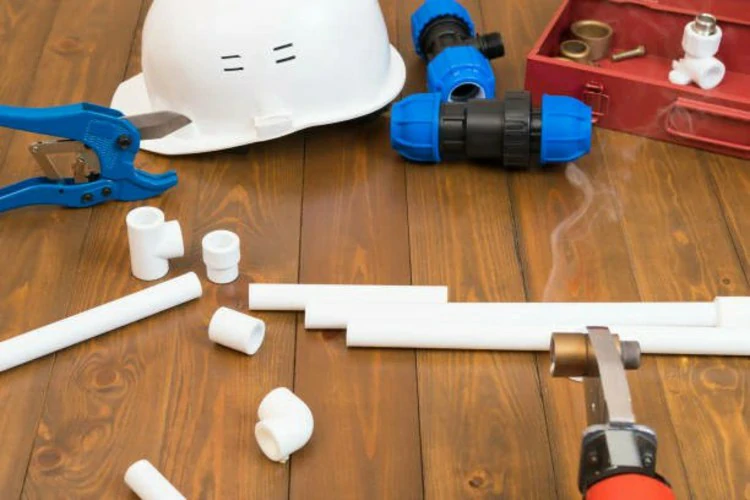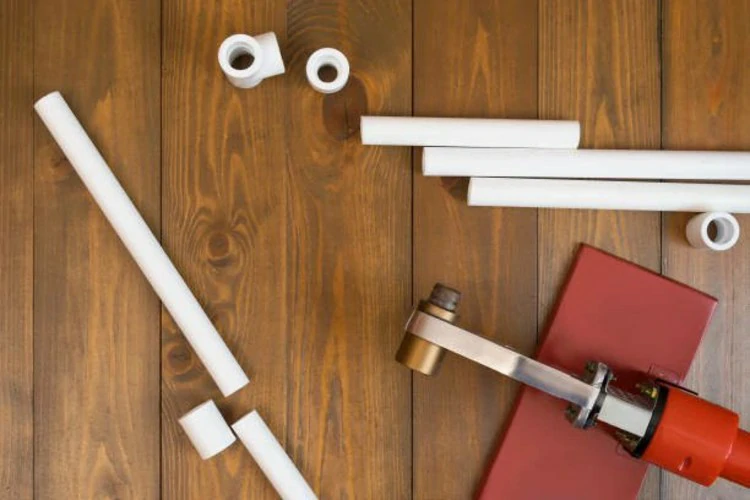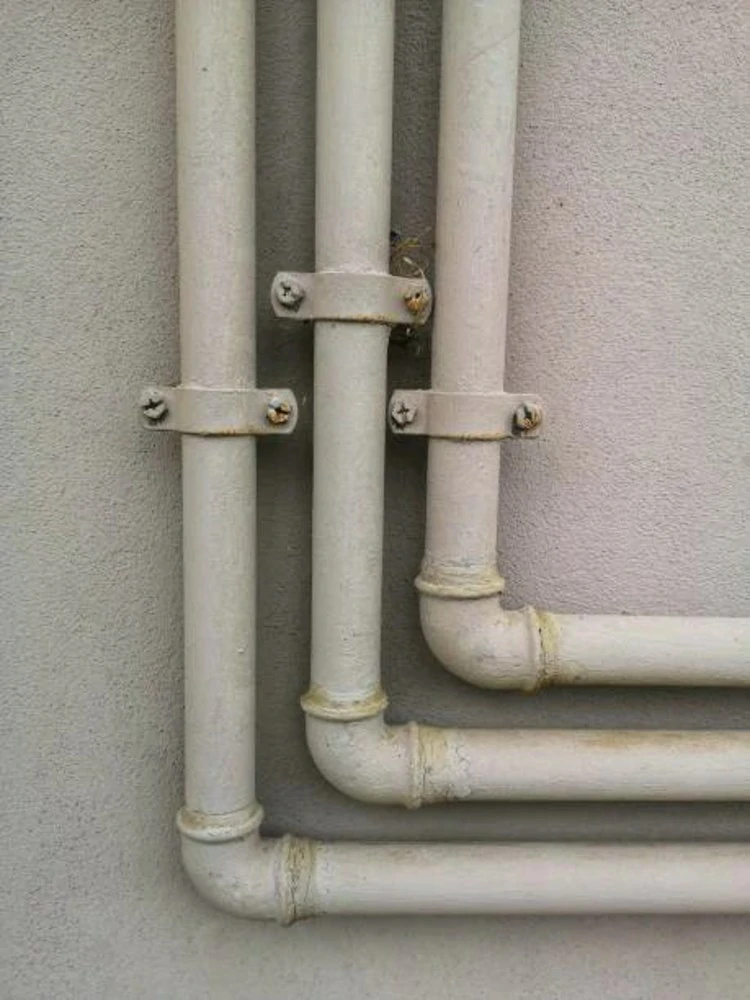
types of ppr pipes

Exploring the Corrosion Resistance of PPR Pipeline

PPR pipeline is celebrated for its exceptional resistance to corrosion, a critical feature that ensures its longevity and reliability in various fluid conveyance applications. Let’s delve into the corrosion resistance properties of PPR pipeline and its significance in different environments. Chemical Inertness PPR Material Composition:PPR pipeline is made from polypropylene random copolymer (PPR), a thermoplastic […]

Exploring the Corrosion Resistance of PPR Pipeline Leer más "

Comparación de tuberías PPR con otros materiales de tubería

When it comes to selecting the right pipe material for fluid conveyance systems, there are several options available in the market. In this section, we will compare PPR pipeline with other commonly used pipe materials to understand their differences and advantages. PPR vs. PVC Pipes Chemical Resistance: Temperature Resistance: Mechanical Strength: PPR vs. Metal Pipes

Comparación de tuberías PPR con otros materiales de tubería Leer más "

Tubería PPR: comprensión de los procesos de producción

The production process of PPR pipeline plays a crucial role in ensuring the quality and performance of these versatile piping systems. Understanding the manufacturing process of PPR pipelines provides insights into their reliability and suitability for various applications. Raw Material Selection PPR pipelines mainly consist of polypropylene random copolymer (PPR), a thermoplastic polymer selected for

Tubería PPR: comprensión de los procesos de producción Leer más "

Explorando la resistencia a la corrosión química de los tubos de PPR

Resilience Against Chemical Corrosion PPR tubes are renowned for their exceptional resistance to chemical corrosion, making them the preferred choice for conveying a wide range of fluids. They find applications in various industrial, commercial, and residential settings. The inherent chemical inertness of PPR material allows the tubes to endure exposure to aggressive chemicals, acids, alkalis,

Explorando la resistencia a la corrosión química de los tubos de PPR Leer más "

El desempeño ambiental de las tuberías PPR: una opción sostenible

1. Composición del material ecológico. Componentes no tóxicos. Las tuberías de PPR se fabrican con resina de copolímero aleatorio de polipropileno (PPR) de alta calidad, que es atóxica y no contiene sustancias químicas nocivas como plomo ni cadmio. Este material ecológico garantiza que las tuberías de PPR no filtren sustancias tóxicas al suministro de agua, lo que las hace seguras para su uso en sistemas de agua potable.

El desempeño ambiental de las tuberías PPR: una opción sostenible Leer más "

Scroll to Top
¡Apoyamos muestras gratuitas, contáctenos lo antes posible!

IFAN desde 1993, ofrece PPR, PEX, PVC, HDPE, accesorios de latón, válvulas de latón, grifos de latón, etc.