


Introducción
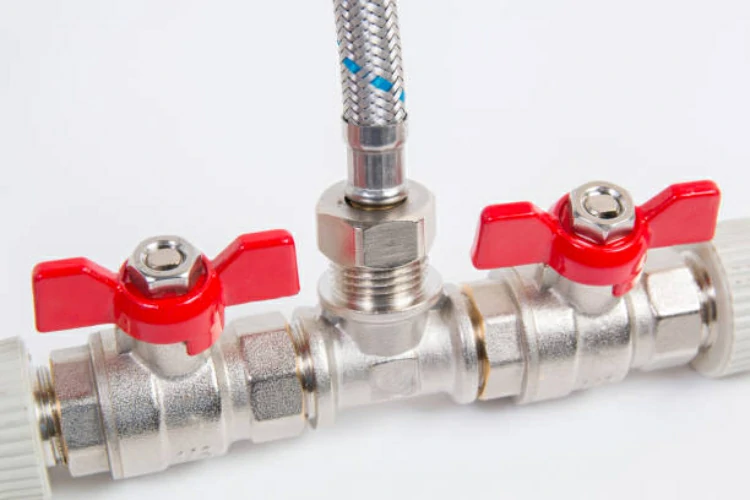
Introducción Las válvulas de cierre de latón son componentes esenciales en los sistemas de plomería, desempeñando un papel crucial en el control del flujo de fluidos. Ya sea en entornos residenciales, comerciales o industriales, la correcta instalación de estas válvulas es clave para garantizar un funcionamiento eficiente y confiable. En esta guía, profundizaremos en los métodos de instalación y las mejores prácticas para […]
Preparación previa a la instalación
Inspecting the Valve
Before installation, carefully inspect the brass stop valve to ensure it is free from any defects or damage. Check for any signs of corrosion, leaks, or manufacturing flaws that may affect its performance. Additionally, verify that the valve is the correct size and type for the intended application.
Preparing the Pipes
Prepare the pipes by cutting them to the appropriate length and ensuring they are clean and free of debris. Remove any burrs or rough edges from the cut ends using a pipe reamer or deburring tool. Smooth, clean pipe ends will ensure a proper seal and prevent leaks once the valve is installed.
Proceso de instalación
Positioning the Valve
Position the brass stop valve on the pipe in the desired location, ensuring it is oriented correctly according to the flow direction indicated on the valve body. Use a marker or pencil to mark the pipe at both ends of the valve to guide the cutting process.
Cortar la tubería
Carefully cut the pipe at the marked locations using a pipe cutter or hacksaw, ensuring clean, square cuts. Take care to avoid creating any sharp edges or deformations that could interfere with the sealing process. Once the pipe is cut, remove any burrs or debris from the cut ends.
Attaching the Valve
Slide the compression nuts and ferrules onto the pipe, followed by the brass stop valve. Ensure the valve is fully seated on the pipe, with the compression nuts positioned on either side of the valve body. Tighten the compression nuts by hand initially, then use a wrench to make final adjustments until the connection is snug and secure.
Post-Installation Checks
Testing for Leaks
Once the brass stop valve is installed, thoroughly inspect the connections for any signs of leaks. Turn on the water supply and slowly open the valve to allow water to flow through the system. Check all joints and connections for leaks, and tighten any fittings as needed to eliminate leaks.
Final Adjustments
After testing for leaks, make any final adjustments to ensure the brass stop valve is properly aligned and functioning correctly. Check the valve operation by opening and closing it several times to ensure smooth, unrestricted movement.
Conclusión
Proper installation of brass stop valves is essential for ensuring the efficient and reliable operation of plumbing systems. By following the steps outlined in this guide and adhering to best practices, you can master the installation process and achieve leak-free, trouble-free operation of brass stop valves in various applications.
Contacto
IFAN es un fabricante profesional con 30 años de experiencia, dedicado a la producción de tuberías, accesorios y válvulas de plástico de alta calidad. Nuestros productos incluyen válvulas de latón, válvulas PPR, así como diversas tuberías y accesorios para satisfacer las diferentes necesidades de nuestros clientes. Ya sea que necesite tuberías de plomería y drenaje o válvulas, IFAN Ofrecemos una amplia gama de productos de alta calidad y rentables para apoyar sus proyectos. A continuación, encontrará nuestra información de contacto.
Responderemos su correo electrónico o fax dentro de las 24 horas.
Puede llamarnos en cualquier momento si tiene alguna pregunta sobre nuestra producción.
Para obtener más información, visite nuestro sitio web. https://www.ifanplus.com/
Por favor envíelo a: [email protected]























