


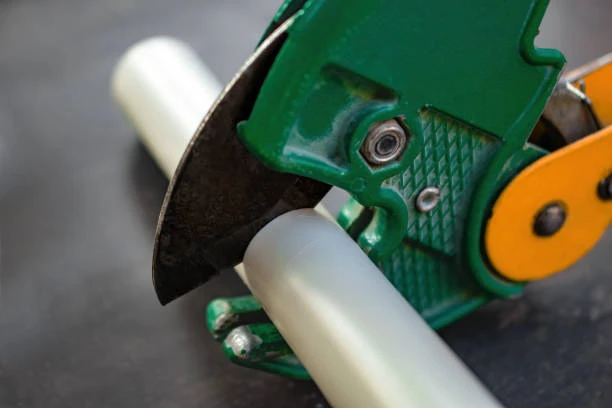
The grip design of a cortador de tubos plays a key role in the tool’s comfort, control, and safety. A well-designed grip ensures that users can operate the cutter effectively while minimizing effort and reducing the risk of hand fatigue or injury. This article covers the main aspects of tube cutter grip design, such as materials, ergonomics, and handle shape, and discusses how these factors contribute to the tool’s performance and user experience.
Material Choices for Handles
The material used for the handle significantly impacts the comfort, durability, and grip of a tube cutter. Manufacturers select materials based on the tool’s intended use, user needs, and the working environment.
Rubber Handles
Rubber is one of the most commonly used materials for tube cutter handles. It offers a high friction coefficient, which ensures a secure grip, even in wet or slippery conditions. Rubber also provides cushioning, reducing hand strain and minimizing the risk of blisters or discomfort during extended use. Thermoplastic rubber (TPR) and thermoset rubber are popular choices for tube cutter handles. TPR is flexible and resistant to heat, while thermoset rubber delivers long-lasting durability.
Plastic Handles
Plastic handles appear in many tube cutters, especially lightweight models. Manufacturers mold plastic handles into a single piece, making them durable and easy to produce. While plastic handles may not offer the same cushioning as rubber, they often feature textured surfaces or rubberized coatings to improve grip. These handles suit tools used in less demanding applications, where weight and cost are more important than comfort.
Metal Handles
Heavy-duty tube cutters may use metal handles made from aluminum or steel. These handles offer strength and can withstand considerable force without bending or breaking. Metal handles typically have plastic or rubber coatings to enhance comfort and grip. Although less comfortable than rubber or plastic, these handles work well for professional-grade cutters used in industrial settings where strength takes precedence.
Diseño ergonómico
Ergonomics is a critical aspect of tube cutter grip design. A poorly designed handle can lead to hand fatigue, discomfort, and even injury during extended use. A good ergonomic design reduces strain on the user’s hand and wrist, improving overall comfort and performance.
Contoured Handles
Contoured handles follow the natural shape of the hand, providing a more comfortable and secure grip. This design helps distribute pressure evenly across the hand, preventing strain on any particular area. Contoured handles work well for users who need to cut pipes for long periods, reducing the risk of hand fatigue. The handle’s shape ensures that the user can maintain control over the tool without putting undue stress on the fingers, palm, or wrist.
Soft Touch Zones
Some tube cutters feature soft-touch zones on the handle to enhance comfort. These zones use materials like rubber or TPR and are placed where the user’s hand contacts the handle most frequently. Adding soft-touch areas increases grip strength and comfort, which is especially helpful for professionals who use the tool for extended periods. These zones reduce the pressure on the hand and offer a more secure hold during cutting tasks.
Adjustable Grips
Adjustable grips allow users to modify the handle to fit their hand size. This feature helps ensure a more secure and comfortable grip, especially for users with smaller or larger hands. Some tube cutters have handles that widen or narrow, giving users more control over the tool. Adjustable grips improve the ergonomics of the cutter, allowing users to work for longer periods without experiencing discomfort.
Handle Shape and Size
The shape and size of the handle are vital for providing the correct balance of control and comfort. A handle that is too large or too small can result in difficulty using the tool or discomfort during cutting. The right handle size allows the user to maintain a firm grip while applying enough force to cut through the material.
Handle Length
Handle length determines how much leverage a user can apply. A longer handle offers more leverage, making it easier to cut through tough materials. However, a handle that is too long can make the tool less maneuverable, particularly when working in tight spaces. Manufacturers carefully balance handle length to ensure the tube cutter remains both effective and easy to control.
Handle Diameter
The diameter of the handle affects how comfortable it is to hold and use the tube cutter. A handle that is too thick can cause discomfort, while a handle that is too thin may be difficult to grip securely. Ideally, the handle should be thick enough to provide a firm grip but not so thick that it becomes uncomfortable to hold for extended periods. Some tube cutters feature handles with textured or rubberized coatings to increase grip and prevent slippage, especially when the user’s hands are wet or oily.
Non-Slip Features
Many tube cutter handles include non-slip features to improve grip and reduce the risk of accidents. Textured surfaces, grooves, or rubberized coatings help users maintain a secure hold on the tool. Non-slip features are especially important when working in environments where the hands might become slippery due to oil, water, or grease. These features ensure that the user can maintain full control over the tool throughout the cutting process.
Handle Placement and Orientation
The placement and orientation of the handle affect the user’s ability to apply force and maintain control while cutting. In ratchet or rotary tube cutters, handle positioning must allow the user to operate the tool without straining the wrist or arm.
Handle Positioning
Some tube cutters place the handle directly above or below the cutting wheel. This positioning allows the user to apply force directly to the cutting blade, which increases cutting efficiency. Other tube cutters place the handle at an angle, making it easier to apply pressure and achieve better leverage. In some designs, the tube cutter may include two handles: one for the main grip and another for applying extra force to the cutting mechanism.
Rotating Handles
Certain tube cutters feature rotating handles that allow users to apply pressure while turning the cutter around the pipe. Rotating handles are especially common in rotary tube cutters, where the user needs to rotate the tool around the pipe to make a clean, even cut. This design offers a more comfortable way to apply force without overexerting or straining the hand and wrist.
Handle Safety Features
Safety is an important consideration in tube cutter handle design. Well-designed handles minimize the risk of accidents by ensuring that users can securely grip the tool and safely store or carry it when not in use.
Locking Mechanisms
Locking mechanisms keep the handles in a closed position when the cutter is not in use. This safety feature prevents the tool from accidentally opening while stored or transported, reducing the risk of injury. A locking mechanism ensures that the tube cutter remains safely secured when not actively being used, preventing accidental cuts.
Finger Guards
Some tube cutters include finger guards or protective shields around the handle to prevent fingers from slipping into the cutting area. These guards add a layer of protection for the user’s hands, especially when working with sharp blades. Although these safety features may make the handle bulkier, they significantly reduce the likelihood of injury.
Conclusión
The design of the tube cutter handle is vital to ensure comfort, control, and safety during use. Materials like rubber, plastic, and metal each provide specific advantages in terms of durability, grip, and comfort. Ergonomic features such as contoured handles, soft-touch zones, and adjustable grips help reduce hand fatigue and increase user comfort. Proper handle shape and size allow for better leverage and control, while non-slip features prevent accidents. Handle placement and orientation enable efficient cutting, and safety features like locking mechanisms and finger guards protect users from injury. By optimizing these design elements, manufacturers can create tube cutters that deliver superior performance, comfort, and safety for the user.
Principales proveedores de cortadores de tubos
| nombre de empresa | Sede/Ubicación | Año de fundación |
| IFAN | Zhu Ji, China | 1993 |
| Corporación Celanese | Irving, Texas, en Estados Unidos | 1921 |
| Dow | Midland, Michigan, en Estados Unidos | 1897 |
| JM Águila | Livingston, Nueva Jersey | 1982 |
| Cresline Plastic Pipe Co. Inc. | Mechanicsburg, Pensilvania, Council Bluffs, Iowa, Corsicana, Texas | 1949 |
Norma internacional IFAN
Los productos IFAN cumplen con diversas normas reconocidas internacionalmente, lo que garantiza su calidad y rendimiento en diversas aplicaciones. Entre ellas se incluyen las normas ISO 15874, que definen las especificaciones para sistemas de tuberías de plástico; EN 15874, que cubre los requisitos para tuberías y accesorios de polietileno (PE) en sistemas de distribución de agua; ASTM F2389, que establece las normas para sistemas de tuberías de polietileno reticulado (PEX); DIN 8077/8078, que aborda las dimensiones y pruebas de tuberías de plástico; GB/T 18742, las normas nacionales chinas para tuberías y accesorios de plástico; y NBR 15884, una norma brasileña para sistemas de tuberías de PE y PEX. Estas certificaciones demuestran el compromiso de IFAN con el suministro de productos fiables y de alta calidad, de conformidad con los estándares internacionales de la industria.
Contacto
IFAN es un fabricante profesional con 30 años de experiencia, dedicado a la producción de tuberías, accesorios y válvulas de plástico de alta calidad. Nuestros productos incluyen válvulas de latón, válvulas PPR, así como diversos tubos y accesorios para satisfacer las diferentes necesidades de nuestros clientes. Ya sea que necesite tuberías de plomería y drenaje o válvulas, IFAN le ofrece una amplia gama de productos de alta calidad y económicos para apoyar sus proyectos. A continuación, encontrará nuestra información de contacto.
Responderemos su correo electrónico o fax dentro de las 24 horas.
Puede llamarnos en cualquier momento si tiene alguna pregunta sobre nuestra producción.
Para obtener más información, visite nuestro sitio web. https://www.ifanplus.com/
Por favor envíelo a: [email protected]
WhatsApp: +86 19857948982























