


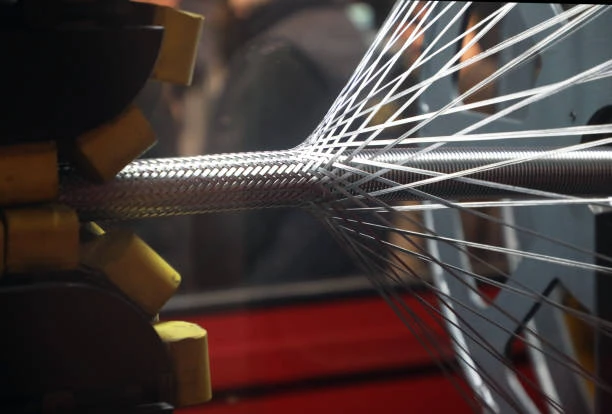
Flexible pipe hoses play a vital role in various industries by ensuring the safe transportation of fluids, gases, and materials. Their adaptability, ease of installation, and versatility make them invaluable in plumbing, automotive, and industrial sectors. These hoses handle pressure, temperature variations, and mechanical stress without compromising system performance. The following discusses the key functions of flexible pipe hoses in modern engineering and industrial applications.
1. Fluid and Gas Transportation
Flexible pipe hoses transport fluids and gases efficiently, allowing them to bend and fit in tight spaces. These hoses are ideal when rigid pipes are impractical. For instance, flexible hoses in automotive systems carry fuel, oil, and air, providing flexibility for installation in limited spaces. The materials chosen for these hoses resist chemicals, heat, and pressure, ensuring reliable fluid transport. Flexible hoses are commonly used in water supply lines, HVAC systems, and chemical pipelines.
2. Shock Absorption and Vibration Reduction
Flexible hoses help absorb shock and reduce vibration, protecting the system from mechanical stress. Industrial machinery often generates vibrations that can damage rigid pipes, causing leaks or system failure. Flexible hoses absorb these vibrations, preventing damage. For example, in automotive systems, flexible hoses connect components prone to vibration. This absorption increases the system’s lifespan and reduces the need for repairs. Using flexible hoses prevents costly downtime and system breakdowns.
3. Temperature Regulation
Flexible hoses regulate temperature fluctuations in fluid transport systems, ensuring consistent performance. Extreme temperatures can compromise fluid flow or system integrity. Flexible hoses handle both high and low temperatures, maintaining strength and flexibility. In HVAC systems, flexible hoses transport refrigerants at low temperatures, ensuring efficient operation. These hoses also carry steam in industrial plants, resisting high temperatures and preventing breakdowns. The ability to handle temperature extremes makes flexible hoses reliable in temperature-sensitive applications.
4. Resistencia a la presión
Flexible hoses are designed to handle various pressure levels without failure. They perform reliably in high-pressure systems like hydraulic applications or oil refineries. The materials, such as stainless steel or braided rubber, offer strength under pressure. In hydraulic systems, flexible hoses transmit fluids under high pressure to operate machinery. These hoses can expand or contract as pressure fluctuates, ensuring system integrity. Their pressure resistance makes them ideal for applications requiring consistent fluid flow under stress.
5. Facilidad de instalación y mantenimiento
Flexible hoses offer easy installation and maintenance compared to rigid piping systems. Installing rigid pipes often requires welding or special fittings, while flexible hoses can be quickly connected and adjusted. This simplicity reduces installation time and cost. Maintenance is also easier with flexible hoses, as they are adaptable and do not require complex tools. Adjustments can be made without major system overhauls, reducing downtime. This makes flexible hoses a practical solution for fast-moving industries.
6. Durabilidad y larga vida útil
Flexible hoses are durable and built to withstand external stress, ensuring long-term reliability. They resist abrasion, pressure, and temperature variations. Many hoses are reinforced with braided steel or other materials to increase durability. In industries like mining, flexible hoses endure harsh conditions, such as friction against rough surfaces. Their ability to resist wear and tear makes them ideal for demanding environments. Durable hoses reduce the frequency of replacements, saving costs and increasing operational efficiency.
7. Corrosión y resistencia química
Flexible hoses resist corrosion and chemicals, making them suitable for harsh environments. In industries dealing with aggressive substances, flexible hoses maintain their integrity. Materials like Teflon and silicone offer resistance to corrosion, ensuring safe fluid transportation. Chemical processing plants rely on these hoses to prevent leaks or contamination. Flexible hoses prevent degradation from chemical exposure, which can damage rigid pipes. Their corrosion resistance ensures the longevity of industrial systems handling volatile materials.
8. Seismic and Earthquake Resistance
Flexible hoses offer resilience during seismic activity or earthquakes. Rigid pipes may crack or break under sudden shifts, causing leaks or system failure. Flexible hoses absorb these movements, preventing damage to the system. In earthquake-prone regions, flexible hoses ensure the continuity of gas and water pipelines. Their ability to bend and stretch without breaking provides a safer alternative to rigid pipes. This makes flexible hoses essential for applications in seismic areas.
9. Multi-Purpose Functionality
Flexible hoses serve a wide range of functions across various industries, making them versatile components in many systems. They transport air, water, chemicals, and food products efficiently. Their flexibility allows them to adapt to different industries, including automotive, medical, food, and pharmaceuticals. In food processing, flexible hoses ensure hygienic transport of liquids. In medical equipment, they provide flexibility for diagnostics and surgeries. The adaptability of flexible hoses makes them indispensable in numerous applications.
Conclusión
Flexible pipe hoses serve multiple critical functions, including fluid and gas transportation, shock absorption, temperature regulation, and pressure resistance. Their ability to handle vibrations, resist chemicals, and adapt to various conditions makes them indispensable in many industries. Flexible hoses reduce installation time, maintenance costs, and downtime while offering durability and long-term reliability. Their resistance to corrosion, pressure, and temperature extremes ensures they perform effectively in demanding environments. By providing these essential functions, flexible hoses contribute significantly to the efficiency and safety of modern industrial and engineering systems.
Norma internacional IFAN
Las normas IFAN incluyen diversas certificaciones y especificaciones internacionales, como ASTM 2846, DIN 8079/8080, ASTM F441/F441M SCH80, DIN, serie GB/T 18993, AS/NZS 1477, CSA B137.6, NSF/ANSI 14 y TIS 17-2532/1131-2535, entre otras. Estas normas garantizan la calidad, la seguridad y la fiabilidad de los productos, alineándose con los requisitos globales de fabricación y rendimiento. Al adherirse a estas normas, IFAN garantiza que sus productos cumplen con los rigurosos estándares de la industria, garantizando la satisfacción del cliente y el cumplimiento de las normativas en diversas regiones.
Contacto
IFAN es un fabricante profesional con 30 años de experiencia, dedicado a la producción de tuberías, accesorios y válvulas de plástico de alta calidad. Nuestros productos incluyen válvulas de latón, válvulas PPR, así como diversos tubos y accesorios para satisfacer las diferentes necesidades de nuestros clientes. Ya sea que necesite tuberías de plomería y drenaje o válvulas, IFAN le ofrece una amplia gama de productos de alta calidad y económicos para apoyar sus proyectos. A continuación, encontrará nuestra información de contacto.
Responderemos su correo electrónico o fax dentro de las 24 horas.
Puede llamarnos en cualquier momento si tiene alguna pregunta sobre nuestra producción.
Para obtener más información, visite nuestro sitio web. https://www.ifanplus.com/
Por favor envíelo a: [email protected]
WhatsApp: +86 19857948982























