


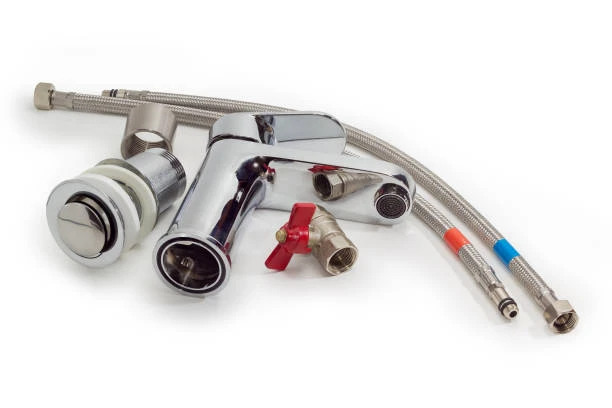
Tubos flexibles have become essential components in industries ranging from construction and agriculture to oil and gas. Their flexibility allows them to adapt to diverse environments, making them a preferred choice for many applications. This characteristic not only simplifies installation but also ensures superior performance under demanding conditions. As technology advances, the emphasis on pipe flexibility continues to shape the development of new products and solutions.
The Core of Flexibility
The flexibility of a pipe depends on its material composition and structural design. Manufacturers use materials like high-density polyethylene (HDPE), cross-linked polyethylene (PEX), and thermoplastic elastomers to achieve the desired flexibility. These materials provide inherent elasticity, enabling pipes to bend and conform to various shapes without compromising their structural integrity.
In multi-layer designs, flexible pipes feature a combination of materials that enhance both flexibility and durability. For example, pipes with an inner polymer layer and an outer protective coating offer increased resistance to environmental stressors while maintaining the ability to bend easily.
Aplicaciones que dependen de la flexibilidad
Flexible pipes find widespread use in applications where rigid pipes fail to perform effectively. Their ability to bend and adapt reduces the need for fittings and connectors, streamlining system design.
- Sistemas de riego: Flexible pipes simplify irrigation in agricultural fields by navigating uneven terrain and sharp curves. Farmers benefit from reduced installation time and improved water distribution.
- Plomería residencial: Flexible pipes offer easy installation in tight spaces, such as under sinks or behind walls. Their ability to bend eliminates the need for elbows and joints, reducing potential leak points.
- Petróleo y gas: Offshore drilling operations rely on flexible risers that accommodate movement caused by waves and currents. These pipes maintain functionality under high pressure and extreme conditions.
- Sistemas HVAC: Flexible pipes allow efficient routing of air and fluids through complex building layouts, improving system performance and installation efficiency.
Ventajas de la instalación
Flexible pipes provide significant advantages during installation. Workers can manipulate these pipes into position without requiring extensive tools or equipment. Their lightweight nature further simplifies handling, reducing labor costs and installation time.
The flexibility of these pipes also allows seamless connections across uneven surfaces. Installers avoid complex alignment procedures, saving time and effort. This adaptability ensures a perfect fit, even in unconventional or challenging environments.
Enhanced Safety and Longevity
The flexibility of a pipe contributes to its safety and longevity. Unlike rigid alternatives, flexible pipes absorb vibrations and accommodate thermal expansion. These properties minimize stress on the pipe structure, preventing cracks and leaks over time.
In areas prone to earthquakes, flexible pipes reduce the risk of damage. Their ability to move with the ground prevents ruptures, ensuring uninterrupted service. Similarly, flexible pipes used in industrial settings handle mechanical stress more effectively, maintaining performance under heavy loads.
Advances in Flexible Pipe Design
Continuous innovation enhances the flexibility of pipes, improving their performance across industries. Engineers now develop pipes with thinner walls and reinforced layers, striking a balance between flexibility and strength.
New materials, such as thermoplastic composites, offer improved elasticity without sacrificing durability. These advancements expand the range of applications for flexible pipes, making them suitable for high-pressure and high-temperature environments.
Environmental Adaptability
Flexible pipes adapt to a wide range of environmental conditions, ensuring reliable performance in various climates. Their ability to withstand extreme temperatures, UV exposure, and chemical contact enhances their versatility.
In cold climates, flexible pipes resist cracking caused by freezing water. Their elasticity accommodates expansion, preventing damage. In hot regions, these pipes maintain their structural integrity under prolonged exposure to heat, making them ideal for outdoor applications.
Maintenance Benefits
Flexibility simplifies maintenance and repair work. Workers can remove or reposition flexible pipes without cutting or dismantling entire sections. This ease of handling reduces downtime and maintenance costs.
Flexible pipes also accommodate temporary installations, such as emergency water supply systems. Workers can quickly deploy and later retrieve these pipes, ensuring efficient resource utilization.
Flexibility in Emerging Applications
As industries evolve, flexible pipes find new applications that leverage their adaptability. In renewable energy systems, these pipes handle the dynamic requirements of solar thermal and geothermal setups. Their ability to navigate complex layouts ensures efficient energy transfer.
In urban infrastructure, flexible pipes enable the development of smart water management systems. These pipes connect sensors and monitoring devices, providing real-time data for optimized operations.
Factors Influencing Flexibility
Several factors affect the flexibility of a pipe, including material properties, diameter, and wall thickness. Smaller diameters and thinner walls increase flexibility but may reduce strength. Engineers design flexible pipes with these considerations in mind, ensuring an optimal balance between flexibility and performance.
Temperature also impacts pipe flexibility. Materials become more rigid in colder conditions, while heat softens them. Manufacturers select materials that maintain flexibility across a wide temperature range, ensuring consistent performance.
Industry Standards and Testing
Manufacturers adhere to strict standards when producing flexible pipes. Rigorous testing evaluates flexibility, ensuring pipes meet specific requirements for bending radius, elongation, and stress resistance.
Standardized tests simulate real-world conditions to verify pipe performance. For example, engineers assess how pipes respond to repeated bending cycles, confirming their durability under continuous use.
The Future of Flexible Pipes
Research and development continue to drive innovations in flexible pipe technology. Advanced polymers, nanomaterials, and hybrid designs offer exciting possibilities for enhanced flexibility.
Smart flexible pipes with embedded sensors now monitor performance and environmental conditions. These advancements improve safety and efficiency, paving the way for intelligent infrastructure solutions.
Conclusión
Flexible pipes demonstrate remarkable versatility, adapting to diverse applications and environments. Their flexibility simplifies installation, enhances performance, and ensures long-term reliability. As technology evolves, the focus on flexibility will continue to inspire new designs and solutions, making these pipes indispensable in modern industries.
Norma internacional IFAN
Las normas IFAN incluyen diversas certificaciones y especificaciones internacionales, como ASTM 2846, DIN 8079/8080, ASTM F441/F441M SCH80, DIN, serie GB/T 18993, AS/NZS 1477, CSA B137.6, NSF/ANSI 14 y TIS 17-2532/1131-2535, entre otras. Estas normas garantizan la calidad, la seguridad y la fiabilidad de los productos, alineándose con los requisitos globales de fabricación y rendimiento. Al adherirse a estas normas, IFAN garantiza que sus productos cumplen con los rigurosos estándares de la industria, garantizando la satisfacción del cliente y el cumplimiento de las normativas en diversas regiones.
Contacto
IFAN es un fabricante profesional con 30 años de experiencia, dedicado a la producción de tuberías, accesorios y válvulas de plástico de alta calidad. Nuestros productos incluyen válvulas de latón, válvulas PPR, así como diversos tubos y accesorios para satisfacer las diferentes necesidades de nuestros clientes. Ya sea que necesite tuberías de plomería y drenaje o válvulas, IFAN le ofrece una amplia gama de productos de alta calidad y económicos para apoyar sus proyectos. A continuación, encontrará nuestra información de contacto.
Responderemos su correo electrónico o fax dentro de las 24 horas.
Puede llamarnos en cualquier momento si tiene alguna pregunta sobre nuestra producción.
Para obtener más información, visite nuestro sitio web. https://www.ifanplus.com/
Por favor envíelo a: [email protected]
WhatsApp: +86 19857948982























