


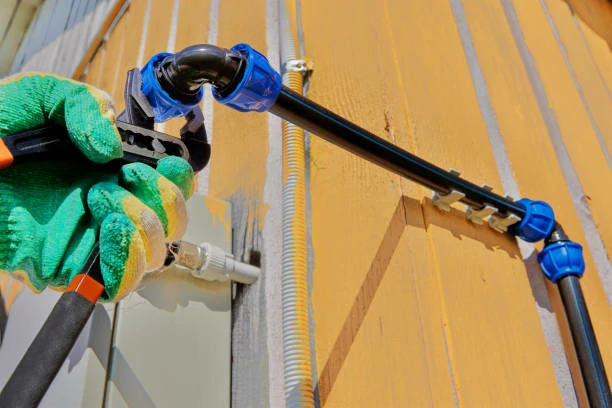
Environmental Impact of HDPE Pipes
Resource Extraction
The production of HDPE pipes begins with the extraction of natural gas and crude oil, the primary raw materials for polyethylene. This extraction process has environmental implications, including habitat disruption, energy consumption, and greenhouse gas emissions. However, advances in extraction technology and regulations aim to minimize these impacts.
Polymerization and Manufacturing
Converting raw materials into HDPE involves polymerization, a chemical process requiring significant energy. This step, along with pipe extrusion and finishing, contributes to the overall carbon footprint of HDPE pipes. Manufacturers strive to reduce energy use and emissions through improved process efficiency and the adoption of cleaner energy sources.
Transportation and Distribution
Transporting HDPE pipes from manufacturing facilities to installation sites involves additional environmental impacts, such as fuel consumption and emissions. The lightweight nature of HDPE pipes helps mitigate these effects compared to heavier alternatives like steel or concrete. Efficient logistics and transportation strategies further reduce the environmental footprint.
Contributions to Sustainability
Vida útil prolongada
HDPE pipes offer exceptional durability, often lasting 50 to 100 years, which significantly reduces the frequency of replacements. This longevity minimizes resource consumption and waste generation over time. In comparison to materials that corrode or degrade more rapidly, HDPE pipes offer a more sustainable solution for long-term infrastructure needs.
Resistencia a la corrosión y a los productos químicos
HDPE pipes resist corrosion and chemical reactions, ensuring consistent performance in harsh environments. This resistance reduces the need for maintenance and repairs, lowering the environmental impact associated with frequent interventions and replacements. The durability of HDPE pipes supports sustainable water and gas distribution systems by maintaining their integrity over extended periods.
Eficiencia energética
Reduced Pumping Energy
The smooth interior surface of HDPE pipes decreases friction, allowing fluids to flow more efficiently. This reduced friction results in lower energy requirements for pumping water, sewage, and other fluids through the pipes. In municipal water systems and industrial applications, this efficiency translates into significant energy savings and reduced carbon emissions over the pipes’ lifespan.
Prevención de fugas
HDPE pipes feature leak-free joints, particularly when using fusion welding techniques. Preventing leaks conserves water and other fluids, reducing waste and the associated energy costs of detecting and repairing leaks. Efficient fluid transport systems contribute to overall sustainability by optimizing resource use and minimizing environmental impact.
Beneficios ambientales
Recycled HDPE
HDPE pipes can be manufactured using recycled polyethylene, reducing the demand for virgin raw materials. Advances in recycling technology ensure that recycled HDPE maintains high quality and performance standards. The use of recycled content in HDPE pipes supports the circular economy, reducing waste and conserving natural resources.
Reciclabilidad
At the end of their service life, HDPE pipes can be recycled into new products, including new pipes, reducing landfill waste. Recycling HDPE conserves energy compared to producing new polyethylene from raw materials. Promoting the recyclability of HDPE pipes enhances their environmental benefits and supports sustainable waste management practices.
Environmental Resilience
Climate-Resilient Infrastructure
HDPE pipes contribute to climate-resilient infrastructure capable of withstanding extreme weather events and climate change impacts. Their flexibility and resistance to environmental stressors make them suitable for areas prone to flooding, temperature fluctuations, and seismic activity. Building resilient infrastructure with HDPE pipes ensures reliable service delivery and minimizes environmental damage during natural disasters.
Adaptability to Diverse Environments
HDPE pipes adapt to various environmental conditions, including high salinity, extreme temperatures, and abrasive soils. This adaptability ensures their effective use in diverse geographical settings, promoting sustainable development in different regions. HDPE pipes’ versatility supports infrastructure projects in urban, rural, and remote areas, contributing to balanced and inclusive growth.
Best Practices for Enhancing Sustainability
Eficiencia energética
Manufacturers can enhance the sustainability of them by adopting energy-efficient technologies and practices. Utilizing renewable energy sources, optimizing production processes, and implementing energy-saving measures reduce the carbon footprint of HDPE pipe production. Continuous improvement in manufacturing efficiency supports sustainable industry practices.
Reducción de residuos
Minimizing waste during the production and installation of them contributes to sustainability. Recycling scrap materials, optimizing cutting processes, and reducing packaging waste are effective strategies. Waste reduction practices not only conserve resources but also lower production costs, making them an economically viable and environmentally friendly option.
Sustainable Transportation
Logística eficiente
Optimizing logistics for transporting HDPE pipes reduces fuel consumption and emissions. Strategies include consolidating shipments, using fuel-efficient vehicles, and planning efficient routes. These practices minimize the environmental impact of transportation and ensure timely and cost-effective delivery.
Local Sourcing
Sourcing raw materials and manufacturing HDPE pipe locally reduces the environmental impact associated with long-distance transportation. Local sourcing supports regional economies, reduces transportation emissions, and enhances supply chain sustainability. Promoting local production and procurement aligns with broader sustainability goals.
Instalación y mantenimiento
Eco-Friendly Installation Methods
Adopting eco-friendly installation methods, such as trenchless technology, reduces the environmental impact of HDPE pipe installation. Trenchless methods minimize soil disturbance, preserve natural landscapes, and reduce emissions from construction equipment. Environmentally conscious installation practices support sustainable infrastructure development.
Mantenimiento preventivo
Implementing preventive maintenance strategies for HDPE pipe systems ensures their longevity and optimal performance. Regular inspections, timely repairs, and monitoring systems prevent major failures and extend the service life of them. Proactive maintenance reduces resource consumption and environmental impact over time.
Conclusión
The environmental impact and sustainability of HDPE pipes encompass various factors, from production and transportation to installation and end-of-life management. HDPE pipes offer numerous environmental benefits, including durability, energy efficiency, recyclability, and adaptability to diverse conditions. By adopting sustainable practices in manufacturing, transportation, and installation, the HDPE pipe industry can further enhance its contribution to environmental sustainability. These efforts ensure that HDPE pipes remain a viable and eco-friendly solution for modern infrastructure needs, supporting sustainable development and reducing the overall environmental footprint.、
Contacto
IFAN es un fabricante profesional con 30 años de experiencia, dedicado a la producción de tuberías, accesorios y válvulas de plástico de alta calidad. Nuestros productos incluyen válvulas de latón, válvulas PPR, así como diversas tuberías y accesorios para satisfacer las diferentes necesidades de nuestros clientes. Ya sea que necesite tuberías de plomería y drenaje o válvulas, IFAN Ofrecemos una amplia gama de productos de alta calidad y rentables para apoyar sus proyectos. A continuación, encontrará nuestra información de contacto.
Responderemos su correo electrónico o fax dentro de las 24 horas.
Puede llamarnos en cualquier momento si tiene alguna pregunta sobre nuestra producción.
Para obtener más información, visite nuestro sitio web. https://www.ifanplus.com/
Por favor envíelo a: [email protected]























