


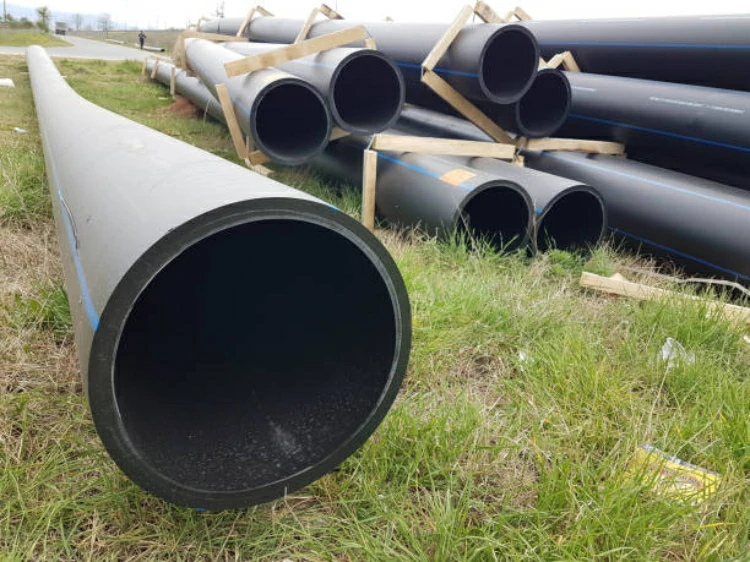
Introducción a las tuberías PPR
PPR (Polypropylene Random Copolymer) pipes are a popular choice for plumbing and piping systems due to their excellent properties and performance characteristics. However, it’s essential to understand how PPR pipes compare with other pipe materials like PVC and HDPE to make informed decisions for various applications.
PPR Pipes Overview
PPR pipes consist of a thermoplastic polymer called polypropylene random copolymer, renowned for its high strength, durability, chemical resistance, and thermal stability. They find extensive applications in hot and cold water supply systems, heating systems, and various industrial settings.
Comparison with PVC Pipes
PVC (Polyvinyl Chloride) pipes are another common type of plastic pipe used in plumbing and piping systems. Let’s compare PPR pipes with PVC pipes based on various factors:
Composición del material
- PPR pipes: Made from polypropylene random copolymer, which offers excellent chemical resistance and thermal stability.
- PVC pipes: Made from polyvinyl chloride, which may contain additives and stabilizers for enhanced performance.
Resistencia y durabilidad
- PPR pipe: Known for their high strength and resistance to impact, making them suitable for both residential and industrial applications.
- PVC pipe: Generally less impact-resistant than PPR pipe and may become brittle over time, especially in cold temperatures.
Resistencia química
- PPR pipe: Highly resistant to corrosion and chemical degradation, making them suitable for conveying various fluids, including acidic and alkaline solutions.
- PVC pipes: Susceptible to chemical attack from certain substances, limiting their use in applications where chemical resistance is critical.
Comparison with HDPE Pipes
Let’s compare PPR pipe with HDPE pipe based on different criteria, as both are commonly used in water supply and drainage systems.
Propiedades del material
- PPR pipe: Known for their superior thermal stability, allowing them to withstand high temperatures without deformation or degradation.
- HDPE pipes: Exhibit excellent flexibility and resistance to impact, making them suitable for applications requiring flexibility and toughness.
Installation Method
- PPR pipe: Typically joined using heat fusion welding, resulting in leak-proof joints and seamless connections.
- HDPE pipes offer versatility in installation methods, as they can be joined using heat fusion welding or mechanical fittings.
Impacto ambiental
- PPR pipe: Considered environmentally friendly due to their recyclability and low environmental footprint during production and use.
- HDPE pipes: Also environmentally friendly and recyclable, contributing to sustainable practices in the construction industry.
Conclusión
While PPR pipes, PVC pipes, and HDPE pipes each have their unique properties and advantages, PPR pipe stand out for their high strength, durability, chemical resistance, and thermal stability. When compared to PVC and HDPE pipe, PPR pipe offer superior performance in various applications, making them a preferred choice for modern plumbing and piping systems.
Contacto
IFAN es un fabricante profesional con 30 años de experiencia, dedicado a la producción de tuberías, accesorios y válvulas de plástico de alta calidad. Nuestros productos incluyen válvulas de latón, válvulas PPR, así como diversas tuberías y accesorios para satisfacer las diferentes necesidades de nuestros clientes. Ya sea que necesite tuberías de plomería y drenaje o válvulas, IFAN Ofrecemos una amplia gama de productos de alta calidad y rentables para apoyar sus proyectos. A continuación, encontrará nuestra información de contacto.
Responderemos su correo electrónico o fax dentro de las 24 horas.
Puede llamarnos en cualquier momento si tiene alguna pregunta sobre nuestra producción.
Para obtener más información, visite nuestro sitio web. https://www.ifanplus.com/
Por favor envíelo a: [email protected]























